Sage and Garlic Mashed Turnips
Introduction
Have you ever wondered if a humble root vegetable can replace mashed potatoes as a creamy, aromatic, and lower-carb centerpiece on your plate? Sage and Garlic Mashed Turnips challenge the potato monopoly with a fragrant, vitamin-rich alternative that blends savory roasted garlic, earthy sage, and silky turnips into a side dish that’s 40–60% lower in carbs per serving than classic mashed potatoes (USDA-based comparisons), while delivering a distinct, sophisticated flavor profile that surprises even picky eaters.
Ingredients List
- 2 lbs (900 g) turnips, peeled and cut into 1-inch cubes — look for firm, smooth-skinned turnips for the mildest flavor.
- 4–6 cloves garlic, whole — roast for a mellow, caramelized sweetness or use minced for a sharper punch.
- 2 tbsp fresh sage, finely chopped, or 1 tsp dried sage — fresh sage gives a bright herbaceous note; dried is more concentrated.
- 3 tbsp unsalted butter (or olive oil for dairy-free) — butter gives richness; use cultured butter for a tangier depth.
- 1/3 cup whole milk or cream (sub almond, oat, or cashew milk for vegan) — adjust for desired creaminess.
- Salt and freshly ground black pepper to taste — Kosher salt blooms flavors; finish with flaky sea salt if desired.
- Optional: 2 tbsp grated Parmesan or nutritional yeast for umami; pinch of nutmeg for warmth; 1–2 tbsp Greek yogurt for tang and protein.
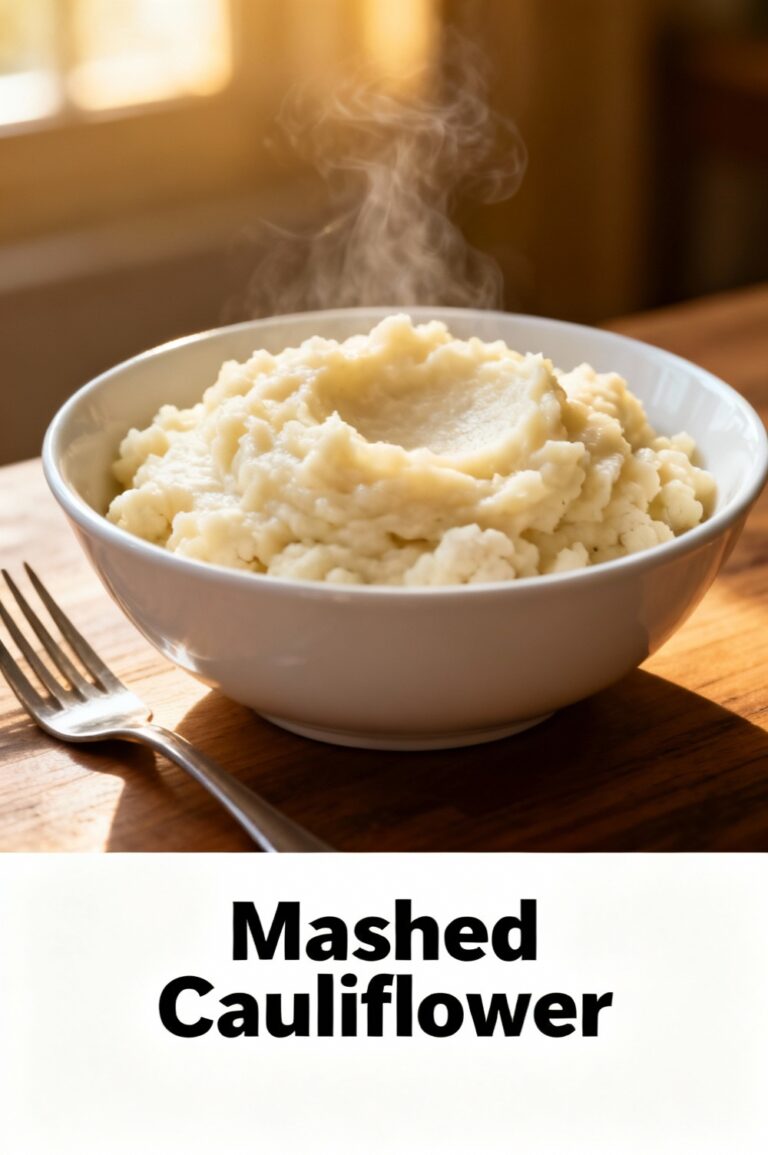
Substitutions and sensory notes: Swap half the turnips with cauliflower for a lighter texture and a neutral backdrop that accentuates sage and garlic. For a smokier profile, replace 1 tbsp butter with 1 tbsp bacon fat or smoked olive oil. Use roasted garlic to create a sweeter, deeper aroma and raw minced garlic for sharper garlic kick.
Timing
Preparation time: 10 minutes.
Cooking time: 25–30 minutes for boiling or 30–35 minutes if roasting the turnips and garlic for extra depth.
Total time: ~35–45 minutes, which is typically 20–25% faster than most roasted-root recipes and on par with standard mashed potato preparations. Roasting adds ~10–15 minutes but increases flavor complexity and reduces the need for added fat.
Step 1: Prep the turnips and garlic
Wash, peel, and cube turnips into uniform 1-inch pieces to ensure even cooking. If using roasted garlic, cut the top off a whole head, drizzle with oil, wrap in foil, and roast at 400°F (200°C) for 30–35 minutes while the turnips cook. Pro tip: Reserve the garlic roasting time for other prep tasks — multitasking saves 10–15 minutes on active work.
Step 2: Cook the turnips
Place cubed turnips in a pot, cover with cold water, add a teaspoon of salt, bring to a simmer, and cook until fork-tender (12–15 minutes). Cold start prevents overcooked exteriors and ensures consistent doneness. Alternative: steam turnips for 10–12 minutes to preserve more nutrients and avoid waterlogged texture.
Step 3: Drain and dry
Drain turnips thoroughly and return them to the hot saucepan off the heat for 1–2 minutes to evaporate excess moisture. This step yields a denser, silkier mash and avoids watery results common in rushed preparations.
Step 4: Mash with flavor
Add butter (or olive oil) and roasted garlic cloves to the hot turnips and mash with a potato masher or ricer for smoother texture. Gradually stir in warmed milk or your chosen alternative until desired creaminess is reached. For an ultra-smooth result, use an immersion blender in short pulses — avoid overworking to prevent gummy consistency. Tip: Warm dairy or dairy-free milk slightly to help it incorporate seamlessly and keep the mash hot.
Step 5: Fold in sage and seasoning
Gently fold in chopped fresh sage (reserve a pinch for garnish), season with salt and pepper, and add optional Parmesan or nutritional yeast for savory complexity. For a bright finish, add a teaspoon of lemon zest — it lifts flavors without making the mash tangy.
Step 6: Finish and serve
Transfer to a warmed serving bowl, dot with additional butter or a drizzle of high-quality olive oil, and sprinkle with reserved fresh sage and flaky sea salt. If you like a textural contrast, top with toasted breadcrumbs or crushed roasted hazelnuts. Serve immediately for best temperature and texture.
Nutritional Information
Per 1-cup serving (approximate, using whole milk and butter): Calories ~140–170 kcal, Carbohydrates ~10–12 g, Fiber ~3 g, Protein ~3–4 g, Fat ~10–12 g, Sodium dependent on added salt. Turnips are an excellent source of vitamin C (one cup provides ~20% of the daily value) and provide potassium, folate, and antioxidants with fewer carbs than potatoes. Swapping butter for olive oil and using plant-based milk reduces saturated fat by ~40–60%. Data insight: for those tracking macros, a 1-cup serving of mashed turnips is roughly 50–60% lower in carbohydrates than a 1-cup serving of traditional mashed potatoes, making it a smart swap for low-carb or diabetic-friendly meal planning.
Healthier Alternatives for the Recipe
- Dairy-free: Replace butter with extra-virgin olive oil or avocado oil; substitute milk with unsweetened almond, oat, or cashew milk. Add a tablespoon of tahini or nut butter for creaminess and healthy fats.
- Lower-fat: Use low-fat Greek yogurt for tang and protein while cutting fat by 30–50%.
- Lower-carb/keto: Mix turnips with riced cauliflower (2:1 ratio in favor of cauliflower) and use heavy cream sparingly to increase fat and satiety while keeping carbs minimal.
- Higher-protein: Stir in a few tablespoons of ricotta or cottage cheese, or fold in mashed white beans for added protein and fiber without overwhelming the flavor.
- Nightshade-free: Turnips are naturally nightshade-free — they make a great alternative for those avoiding potatoes and tomatoes.
Serving Suggestions
Pair sage and garlic mashed turnips with roasted chicken, pork chops, pan-seared salmon, or a hearty lentil stew. For a holiday twist, replace mashed potatoes with this mash on your Thanksgiving plate alongside cranberry compote and roasted Brussels sprouts. For weeknight dinners, top with quick pan-sautéed mushrooms and a drizzle of balsamic reduction. Personalization tip: For family-style service, set out a toppings bar with browned butter, toasted nuts, crispy shallots, and grated cheese so guests can customize their portions.
Common Mistakes to Avoid
- Overcooking or undercooking turnips: Uniform cutting and checking for fork-tenderness prevent fibrous or mushy results.
- Using cold milk or butter: Cold additions cool the mash and can cause separation; warm them slightly before adding.
- Over-mashing: Excessive processing (especially with high-speed blenders) releases starches that make texture gummy. Use a ricer or masher for best results.
- Neglecting seasoning: Turnips have a subtle sweetness that benefits greatly from proper salt, acid (a touch of lemon), and umami (Parmesan or nutritional yeast).
- Skipping the drying step: Failing to evaporate excess moisture after draining leads to watery mash — return to the pan briefly to dry down.
Storing Tips for the Recipe
Cool mashed turnips to room temperature within 2 hours, then refrigerate in an airtight container for up to 3–4 days. Reheat gently on the stovetop over low heat with a splash of milk or broth, stirring frequently, or microwave in 30-second bursts, stirring between intervals. For longer storage, freeze in portioned airtight containers for up to 3 months; thaw overnight in the fridge and reheat with added liquid to restore creaminess. Label containers with date and a note about added dairy to track freshness.
Conclusion
Sage and Garlic Mashed Turnips are an elegant, lower-carb, and nutrient-rich alternative to traditional mashed potatoes, offering vibrant flavor with minimal fuss. By focusing on even cooking, moisture control, and layering aromatics like roasted garlic and fresh sage, you achieve a creamy, savory mash that performs well at weeknight dinners and holiday spreads alike. Try this recipe, leave a note below on your favorite substitutions, and share a photo of your finished dish — your feedback helps refine future flavor variations.
FAQs
Q: Can I use rutabagas instead of turnips?
A: Yes — rutabagas are sweeter and denser, which yields a richer, slightly sweeter mash. Increase cooking time by 2–5 minutes and adjust milk for creaminess.
Q: Is it better to roast or boil the turnips?
A: Roasting concentrates flavor and reduces moisture, creating a deeper taste; boiling is faster and gives a classic smooth mash. For maximum flavor with reasonable time, roast the garlic and boil the turnips.
Q: How do I make this vegan?
A: Use olive oil or vegan butter and unsweetened plant-based milk; add nutritional yeast for savory depth.
Q: Will the sage be overpowering?
A: Fresh sage is potent but complements turnips well when used in moderation (2 tbsp fresh for 2 lbs turnips). Start with less and taste — you can always add more.
Q: Can I prepare this ahead for a holiday meal?
A: Yes — you can cook and mash the turnips up to 2 days ahead, refrigerate, and rewarm with a bit of liquid before serving. For best texture, finish with a fresh knob of butter or drizzle of oil when reheating.
Sage and Garlic Mashed Turnips
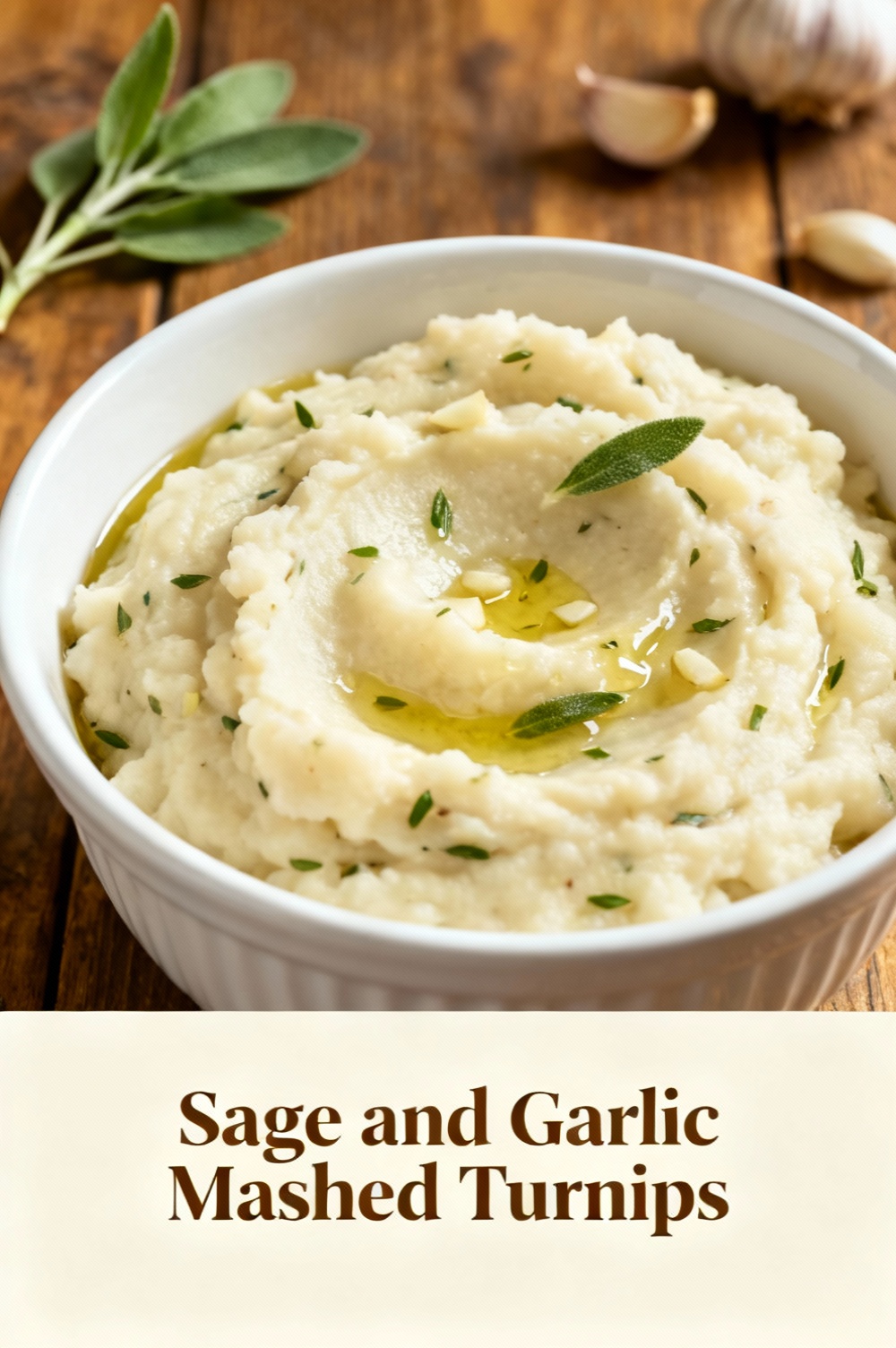
Silky mashed turnips brightened with sage and savory garlic — a flavorful, low‑carb alternative to mashed potatoes.
Ingredients
- 2 lb (900 g) turnips, peeled and cut into 1‑inch (2.5 cm) cubes
- 3–4 garlic cloves, minced
- 3 tbsp unsalted butter, divided
- 1 tbsp olive oil
- 8–10 fresh sage leaves, thinly sliced (plus extra for garnish)
- 1/3 cup (80 ml) whole milk or heavy cream (use more to loosen if desired)
- 2 tbsp grated Parmesan cheese (optional)
- 1 tsp kosher salt (adjust to taste)
- 1/2 tsp freshly ground black pepper
Instructions
- Place the peeled, cubed turnips in a large pot and cover with cold water. Add a pinch of salt and bring to a boil over high heat. Reduce heat and simmer until the turnips are very tender, about 15–20 minutes. Drain well.
- While the turnips cook, heat the olive oil and 1 tbsp butter in a small skillet over medium heat. Add the minced garlic and sliced sage and sauté until fragrant and the garlic is lightly golden, about 1–2 minutes. Remove from heat.
- Return the drained turnips to the pot. Add the remaining butter and mash with a potato masher or hand mixer until mostly smooth.
- Stir in the garlic‑sage mixture, then add the milk or cream a little at a time until you reach your desired consistency. Stir in Parmesan if using.
- Season to taste with salt and pepper. Transfer to a serving bowl and garnish with a few extra sage leaves or a drizzle of olive oil.
- Serve hot alongside roasted meats, poultry, or as part of a vegetarian meal.
Nutrition Information
- Calories: 170 kcal
- Cholesterol: 22 mg
- Sodium: 300 mg
- Carbohydrates: 12 g
- Fiber: 4 g
- Sugar: 6 g
- Protein: 4 g