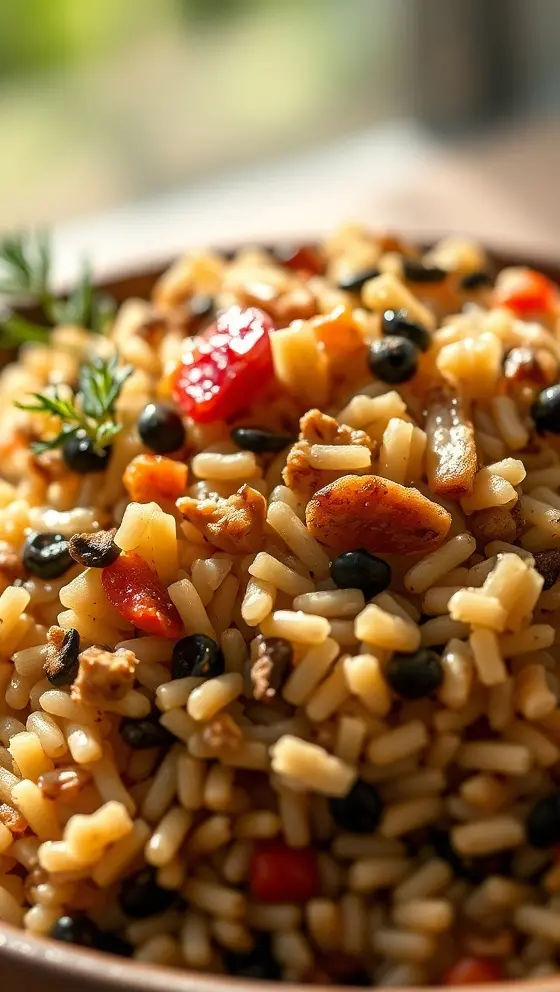
Roasted Root Vegetables
Introduction:
What if a single, simple technique could turn humble carrots, beets, and parsnips into a caramelized, savory-sweet side that tastes like it belongs at a restaurant — and do it in under an hour? Roasting root vegetables concentrates natural sugars through caramelization and the Maillard reaction, producing deeper flavor and texture without added sugar; for many home cooks this translates to stronger flavor with less fuss and fewer added ingredients. This recipe focuses on technique, timing, and smart swaps so you get consistently crisp edges, tender centers, and layered flavor every time.
Ingredients List:
- 1 large sweet potato (about 10–12 oz), peeled or scrubbed and cut into 1-inch cubes — sweet, starchy, and brings beta-carotene; swap for butternut squash for similar texture.
- 3 medium carrots, peeled and cut on a bias into 1/2-inch slices — adds sweetness and color; heirloom carrots add visual interest.
- 2 medium parsnips, peeled and cut like the carrots — offers nutty depth; swap with turnips for a peppery note.
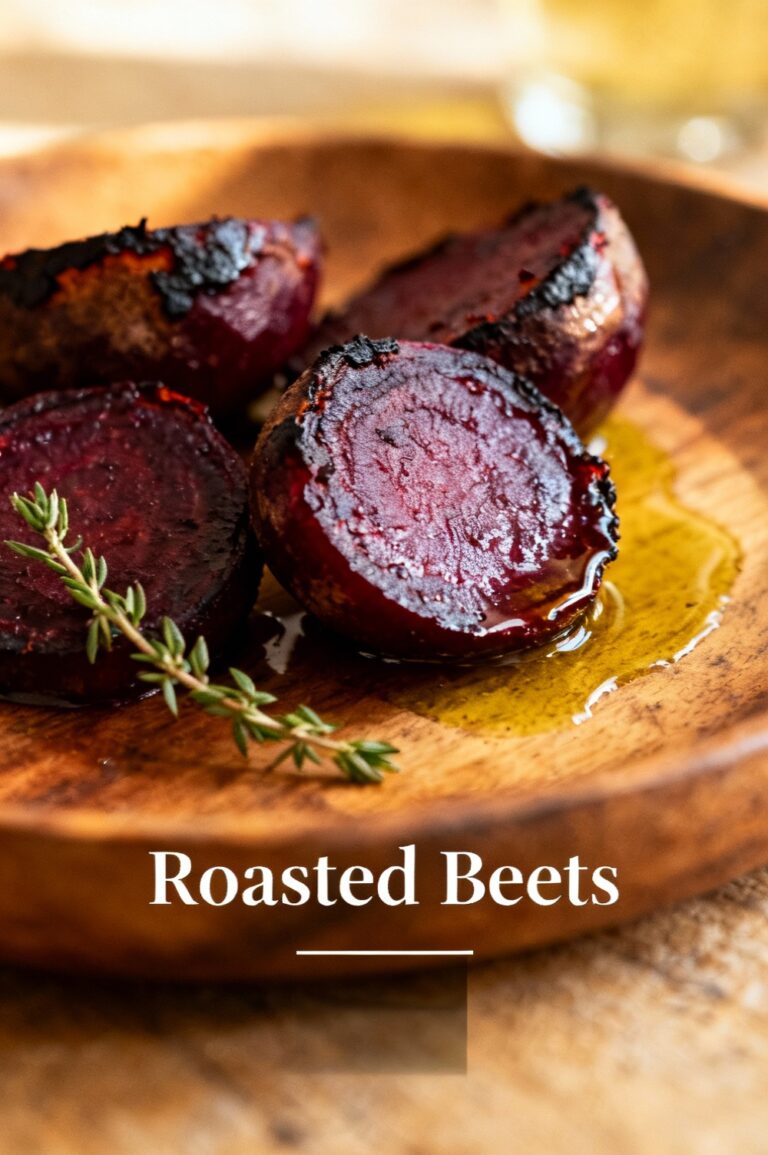
- 2 medium beets, scrubbed and cut into 1-inch cubes (optional, use gloves) — earthy, vibrant; golden beets give milder flavor.
- 1 large red onion, cut into wedges — caramelizes and adds umami.
- 3 tablespoons extra-virgin olive oil (or avocado oil for higher smoke point) — coats and aids caramelization; use 2 tbsp for a lower-fat version and roast at slightly lower heat.
- 1 teaspoon kosher salt and 1/2 teaspoon freshly ground black pepper — fundamentals; finish with flaky sea salt if desired.
- 1 tablespoon fresh thyme leaves or 1 teaspoon dried thyme — fragrant herb; rosemary is a robust alternative.
- 1 tablespoon balsamic vinegar or maple syrup (optional) — adds acidity or layered sweetness for finishing.
- Zest of 1 lemon or a squeeze of fresh lemon juice (optional) — brightens flavors.
Sensory notes: look for firm, brightly colored roots; when roasted, the edges should be amber-brown and smell nutty, the interior tender but not crumbly.
Timing:
Preparation: 15 minutes. Roasting: 35–40 minutes at 400°F (200°C). Total time: ~50–55 minutes, roughly 20–35% faster than many slow-roasting methods that rely on lower temperatures and longer cook times. If you par-cook dense roots (like beets or sweet potatoes) by steaming for 8–10 minutes first, you can shave off 10–15 minutes of roasting time.
Step 1: Preheat, choose your pan, and set the scene
Preheat oven to 400°F (200°C). Use a heavy baking sheet (rimmed) or a shallow roasting pan — dark metal heats faster and gives better caramelization; line with parchment for easy cleanup but know it slightly reduces browning compared with bare metal. Position oven rack in the middle so heat circulates evenly. Tip: if you prefer even more browning, preheat the empty pan in the oven for 5 minutes before adding vegetables.
Step 2: Cut consistently and prioritize density
Cut vegetables into uniform pieces (about 1-inch cubes or slices) so they cook at the same rate. Denser roots like beets and sweet potatoes should be slightly smaller if you’re mixing with carrots and parsnips. Personalized tip: if you want bite-size crisp edges, cut carrots on the bias for more surface area; for a rustic mash-ready texture, cut larger.
Step 3: Toss with oil, seasoning, and flavor boosters
In a large bowl, toss all veggies with oil, salt, pepper, and thyme until evenly coated. Make sure oil lightly but thoroughly coats each piece — too little oil gives dry results, too much creates steam and soggy surfaces. For extra umami, add 1 teaspoon smoked paprika or 1 minced garlic clove (add garlic in the last 10 minutes to avoid burning). Pro tip: season in layers — a light seasoning before roasting and a final finishing salt after roasting brightens flavor.
Step 4: Space them out for real caramelization
Spread vegetables in a single layer on the pan with at least a small gap between pieces; crowding causes steaming and pale results. Roast for 20 minutes, then shake the pan or use a spatula to flip pieces so all sides can brown. If you want deeper color, increase heat to 425°F for the last 5–10 minutes, watching carefully to prevent burning.
Step 5: Finish with acid and texture contrasts
When vegetables are tender and edges are golden (stick a fork into a sweet potato cube for a test), remove from oven and immediately toss with balsamic vinegar or a drizzle of maple syrup if you want glossy sweetness. Finish with lemon zest or a squeeze of lemon juice to lift the dish, and scatter toasted walnuts or pepitas for crunch. Personalized note: add crumbled goat cheese or feta for a creamy-salty contrast if dairy is desired.
Step 6: Taste, adjust, and serve
Taste for seasoning — add flaky sea salt, more acid, or a pinch of chili flakes if you like heat. Serve warm; roasted root vegetables hold their flavor profile well so they can be used across meals. Tip for batch cooking: reserve some plain roasted roots before adding finishing ingredients if you plan to reheat or repurpose them later.
Nutritional Information:
Per serving (about 1 cup / ~200–220 g) — estimates based on mixed sweet potato, carrot, parsnip, beet, 1 tbsp oil per serving:
Calories: ~160–200 kcal. Total fat: ~7–9 g (mostly unsaturated from olive oil). Carbohydrates: ~25–30 g; fiber: ~4–6 g. Protein: ~2–3 g. Vitamin A: significant portion of daily value (from sweet potato and carrots); Vitamin C: moderate contribution; potassium: moderate contribution. These values vary based on vegetable mix and oil amount. Roasting concentrates flavors without added sugars; using 1 tbsp oil per two servings reduces calories and fat by roughly 50 kcal per serving compared with 1.5 tbsp.
Healthier Alternatives for the Recipe:
- Lower oil: use 1–2 tablespoons total and spray a light mist of oil on the pan to reduce calories by 50–80 kcal/serving.
- Swap oil: use avocado oil for a higher smoke point, or use a light coating of vegetable broth for oil-free roasting (results less brown but still flavorful).
- Increase fiber/protein: toss in 1 cup cooked chickpeas during the last 10–12 minutes for added protein and texture.
- Reduce starch: replace some sweet potato with cauliflower florets to lower carbohydrate load while keeping roast texture.
- Diet-specific: make it Whole30/Paleo by using maple or none; for low-FODMAP, omit onions and use chives as garnish.
Serving Suggestions:
Serve as a vibrant side with roasted chicken, grilled fish, or pan-seared tofu. Mix into grain bowls with quinoa, farro, or wild rice and a tahini drizzle for a hearty vegetarian bowl. Use leftovers to top salads, blend into soups for a creamy base, or pulse in a food processor for a rustic root mash. Personalized pairing: a dollop of herby yogurt (Greek or plant-based) adds cooling contrast; sprinkle toasted seeds and a microgreen salad for restaurant-style plating.
Common Mistakes to Avoid:
- Overcrowding the pan — leads to steaming, not roasting; use two pans if needed.
- Uneven cuts — small pieces burn while larger pieces remain raw; aim for consistency.
- Too much oil — creates soggy, oily results and hides natural flavors.
- Adding delicate herbs too early — fresh herbs burn and turn bitter; add during the last 5 minutes or off-heat.
- Not preheating the oven or pan — cold metal slows caramelization; preheat for better browning.
Storing Tips for the Recipe:
Cool roasted vegetables completely before storing. Refrigerate in an airtight container for up to 4 days. For longer storage, freeze in a single layer on a tray, then transfer to freezer bags for up to 3 months; note texture softens after freezing. Reheat in a 425°F (220°C) oven for 8–12 minutes to re-crisp, or pan-sear in a hot skillet with a teaspoon of oil for best texture. Don’t microwave for long — it warms but softens edges.
Conclusion:
Roasted root vegetables are a flexible, flavorful, and nutrient-dense side that scale easily for weeknight dinners or holiday spreads. The keys are consistent cuts, adequate heat, and not overcrowding the pan; small finishing touches like acid, toasted seeds, or crumbled cheese turn simple roots into a memorable dish. Try this approach, make one swap to fit your diet, and share how it turned out — leave a comment with your favorite root combo or a photo of your sheet-pan masterpiece.
FAQs:
Q: Can I roast frozen root vegetables? A: You can, but they’ll release moisture and won’t brown as well; thaw and pat dry, then roast at a higher temp and extend time while watching for burning. Q: Do I need to peel all roots? A: Not always — many skins (carrots, parsnips, beets) are edible and contain nutrients; scrub well and peel only if the skin is tough or you prefer the texture. Q: How do I make them crispier? A: Cut slightly smaller, use enough oil to coat, preheat the pan, roast at 400–425°F, and avoid crowding. Q: Is this recipe vegan/gluten-free? A: Yes — it’s naturally vegan and gluten-free; add dairy or nuts for different profiles if desired. Q: Can I prepare ahead? A: Yes — chop and toss with oil and herbs up to 24 hours ahead and refrigerate; roast straight from the fridge, adding a couple minutes to the time. Q: What’s the best balance of roots? A: For color and flavor contrast, try 30% sweet potato, 30% carrot, 20% parsnip, 20% beet — adjust to taste and seasonality. Q: How do I avoid beets bleeding color? A: Roast beets separately or combine golden beets to avoid staining lighter vegetables. Q: Can I add protein to make it a main dish? A: Yes — add chickpeas, cooked lentils, or roasted tofu, and serve over grains or greens to make a complete meal.
Explore variations: try smoky cumin and orange zest for a Mediterranean spin, or curry powder and coconut oil for an Indian-inspired dish. If you try a twist, tag a photo or leave feedback so others can learn from your tweaks.
Roasted Root Vegetables

A colorful, easy side of caramelized root vegetables — sweet, savory, and perfect with roasted meats or a grain bowl.
Ingredients
- 1 lb (450 g) carrots, peeled and cut into 1″ (2.5 cm) pieces
- 1 lb (450 g) parsnips, peeled and cut into 1″ pieces
- 1 large sweet potato (about 12 oz / 340 g), peeled and cubed
- 2 medium beets, peeled and cut into 1″ pieces (optional)
- 1 large red onion, cut into wedges
- 4 garlic cloves, smashed
- 3 tbsp extra-virgin olive oil
- 1 tbsp balsamic vinegar (optional)
- 1 tbsp maple syrup or honey
- 1 tsp sea salt (adjust to taste)
- 1/2 tsp freshly ground black pepper
- 1 tsp dried thyme (or 1 tbsp fresh thyme leaves)
- 1 tsp dried rosemary (or 1 tbsp chopped fresh rosemary)
- 1/2 tsp smoked paprika (optional)
- Fresh parsley or additional thyme for garnish
Instructions
- Preheat the oven to 425°F (220°C). Line a large baking sheet with parchment paper or lightly oil it.
- Cut all vegetables to roughly the same size (about 1″ pieces) so they roast evenly.
- In a large bowl whisk together the olive oil, balsamic (if using), maple syrup, salt, pepper, thyme, rosemary, and smoked paprika.
- Add the prepared vegetables and garlic to the bowl and toss until everything is evenly coated in the oil-herb mixture.
- Spread the vegetables in a single layer on the prepared baking sheet. Avoid overcrowding—use two sheets if needed.
- Roast for 35–45 minutes, stirring or turning the vegetables once halfway through, until they are tender and caramelized at the edges. Beets may take a bit longer—cut smaller if you want them to finish with the others.
- Remove from the oven, taste and adjust seasoning, then transfer to a serving dish. Garnish with chopped parsley or extra thyme and serve warm.
Nutrition Information
- Calories: 180 kcal
- Cholesterol: 0 mg
- Sodium: 220 mg
- Carbohydrates: 28 g
- Fiber: 6 g
- Sugar: 10 g
- Protein: 3 g