Roasted Acorn Squash
Introduction:
What if the secret to a simple, restaurant-worthy side that boosts your vitamin intake and costs less than $2 per serving is sitting in your grocery basket right now—waiting to be roasted? Roasted acorn squash flips the script on bland winter vegetables by turning its dense, nutty flesh into caramelized, spoonable goodness with minimal effort. Data from recipe databases show roasted squash searches spike 45% in fall, signaling both seasonal interest and opportunity to master a high-ROI dish that’s versatile, nutritious, and fast.
Ingredients List:
- 2 medium acorn squash (about 2–2.5 lb total), halved and seeded. Substitution: use kabocha or small butternut for a sweeter, creamier result. Choose squash with firm skin and a dull, heavy feel for best flavor.
- 2 tablespoons extra-virgin olive oil or melted coconut oil. Substitution: unsalted butter or ghee for richer flavor; avocado oil for neutral high-heat cooking.
- 2 tablespoons pure maple syrup or 2 teaspoons brown sugar (optional, for caramelization). Substitution: honey (for non-vegan), or a pinch of monk fruit for low-sugar.
- 1 teaspoon fine sea salt and ¼–½ teaspoon freshly ground black pepper. Substitution: smoked salt or chipotle powder for smoky notes.
- 1 teaspoon ground cinnamon and ½ teaspoon ground nutmeg (optional for a sweet profile). Substitution: curry powder or za’atar for savory twists.
- 2 tbsp chopped fresh herbs (sage, rosemary, or thyme) or 1 tablespoon balsamic glaze for finishing (optional).
- Optional fillings: cooked quinoa, goat cheese/crumbled feta, toasted pepitas or walnuts, a dollop of Greek yogurt or vegan cashew cream.
Timing:
Preparation: 10 minutes. Roasting: 40–50 minutes at 400°F (205°C). Resting/finishing: 5 minutes. Total time: approximately 55–65 minutes. This is about 15–25% faster than many traditional low-and-slow squash recipes roasted at 350°F, which often take 70–90 minutes—so you get caramelized edges and soft centers in less time without sacrificing texture.
Step 1: Choose and prep the squash
Cut the squash in half crosswise from stem to base using a large chef’s knife. Scoop seeds and stringy pulp with a spoon (save seeds for roasting—tossed in oil, salt, and paprika they make a crunchy snack). Lightly score the flesh in a crosshatch pattern to increase surface area for caramelization. Tip: for easier cutting, microwave the whole squash for 60–90 seconds to soften the skin slightly, or rest it on a damp towel to stabilize the squash when slicing.
Step 2: Season and flavor strategically
Brush the cavity and cut surfaces with oil (about 1 tbsp per squash half). Sprinkle salt, pepper, and spices evenly—use coarse salt for texture. If you want a sweet-savory profile, drizzle 1 teaspoon maple syrup into each cavity; for savory, fill with a teaspoon of olive oil and a sprig of rosemary. Personalization tip: if you’re cooking for kids, reduce spices and add a light honey drizzle after roasting; for adults, finish with a pinch of flaky sea salt and a squeeze of lemon to brighten.
Step 3: Roast for even caramelization
Place squash cut-side down on a parchment-lined baking sheet to concentrate steam for tender interiors and prevent burning the rim. Roast at 400°F (205°C) for 30 minutes, then flip cut-side up and roast another 10–20 minutes until a fork slides in easily and edges are golden-brown. Actionable trick: rotate the pan halfway through to avoid hot spots; if you prefer crisp edges, broil for the last 2 minutes while watching closely.
Step 4: Fill, finish, and serve
Remove from oven and let rest 5 minutes. If using cheeses or nutty toppings, add them now so they warm but don’t melt completely. Garnish with chopped herbs, toasted seeds, or a spoonful of yogurt/cream. For stuffed versions, scoop a little flesh to make a cavity, mix it with cooked grains, herbs, and seasonings, then spoon back into the shell and return to oven for 5–8 minutes to meld flavors.
Nutritional Information:
Per serving (1/4 of recipe; roasted with 1 tsp oil and light maple drizzle) — approximate values:
- Calories: 140–180 kcal
- Fat: 6–8 g (mostly monounsaturated if using olive oil)
- Carbohydrates: 24–30 g
- Fiber: 3–5 g
- Protein: 1.5–2 g
- Sodium: 200–300 mg (varies with added salt)
Micronutrients: acorn squash is rich in beta-carotene, vitamin A precursors, and provides vitamin C and potassium; one serving contributes meaningful daily fiber and antioxidants. These estimates are approximate—use a nutrition calculator for precise needs. Data-driven insight: swapping butter for olive oil lowers saturated fat and keeps calories similar while boosting monounsaturated fats linked to heart health.
Healthier Alternatives for the Recipe:
- Lower sugar: omit maple syrup or brown sugar; instead use a sprinkle of cinnamon and a splash of orange zest for perceived sweetness with fewer added sugars.
- Vegan: use coconut oil or olive oil instead of butter; top with toasted nuts and a lemon-herb tahini drizzle for creaminess.
- Keto-friendly: skip sweeteners, increase fat with a pat of butter or cream cheese in the cavity, and add toasted pecans for crunch—reduce portion size if tracking carbs.
- Gluten-free: naturally compliant—pair with a quinoa pilaf or a gluten-free grain to make it a balanced meal.
- Higher protein: mix in cooked lentils, crumbled tempeh, or shredded chicken into a savory stuffing to boost protein per serving.
Serving Suggestions:
Serve roasted acorn squash as a standout side with roast chicken, pork tenderloin, or baked salmon. For vegetarian mains, top with a warm lentil ragout, herbed quinoa, or a spoonful of garlicky hummus. For brunch, halve and top with a soft-poached egg and a drizzle of hot sauce. Personalized pairing tip: if your meal includes a bright acidic element (like citrus or sumac), balance the squash’s natural sweetness by adding a tangy finishing drizzle—balsamic reduction or apple cider vinegar works beautifully.
Common Mistakes to Avoid:
- Under-seasoning interiors: season both the surface and the cavity; the dense flesh needs salt to bloom flavor.
- Roasting too low or too slow: can yield mushy, pale squash. Using 400°F promotes caramelization faster without drying the center.
- Overcrowding the pan: squashes steam instead of roast; leave space for air circulation.
- Cutting without stabilization: unsteady chopping can be dangerous—stabilize on a towel or microwave briefly.
- Forgetting to rest: letting the squash rest 5 minutes concentrates flavors and makes it easier to handle when filling or serving.
Storing Tips for the Recipe:
Refrigerate leftover roasted squash in an airtight container for up to 4 days. Store halves cut-side up to avoid sogginess and reheat at 350°F for 10–12 minutes to crisp edges, or microwave for 60–90 seconds for convenience (texture will be softer). To meal-prep: roast squash first, then store scooped flesh and toppings separately—assemble fresh before reheating to maintain texture. Freeze cooked flesh mashed or cubed for up to 3 months; thaw overnight in fridge and reheat gently with a splash of oil or broth.
Conclusion:
Roasted acorn squash is a low-effort, high-impact dish that fits into seasonal fall menus or any time you want a comforting, nutritious side. With flexible flavor profiles—from maple-cinnamon to za’atar and lemon—this recipe scales for weeknight dinners or holiday spreads. Try the basic method once, then personalize with fillings, spices, and finishing touches to match your family’s tastes. Ready to roast? Make a pan tonight, share a photo, or leave a comment with your favorite twist—we love swapping ideas.
FAQs:
Q: Can I roast acorn squash whole?
A: You can roast whole to retain moisture, but it will take longer (about 60–90 minutes). Prick skin to prevent steam pockets and roast at 375°F; cut open carefully and finish under broiler for caramelized edges.
Q: How do I prevent the squash from being watery?
A: Roast cut-side down initially to evaporate excess moisture, avoid overcrowding, and use higher oven temps to encourage caramelization instead of steaming.
Q: Are acorn squash seeds edible?
A: Yes—clean, toss with oil and seasonings, and roast at 325°F for 12–15 minutes until crisp. They’re a nutritious, crunchy garnish.
Q: Can I prepare this ahead for a party?
A: Roast the squash a day ahead and reheat before serving; if stuffing, keep filling separate and assemble 10–15 minutes before serving to avoid sogginess.
Q: How can I make this kid-friendly?
A: Keep flavors simple—light butter and a touch of maple or cinnamon—and serve mashed or scooped so it’s easier to eat. Add a sprinkle of mild cheddar for extra appeal.
For more ideas, try pairing your roasted acorn squash with soups, grain bowls, or leftover proteins—experiment and let the squash adapt to your palate.
Roasted Acorn Squash
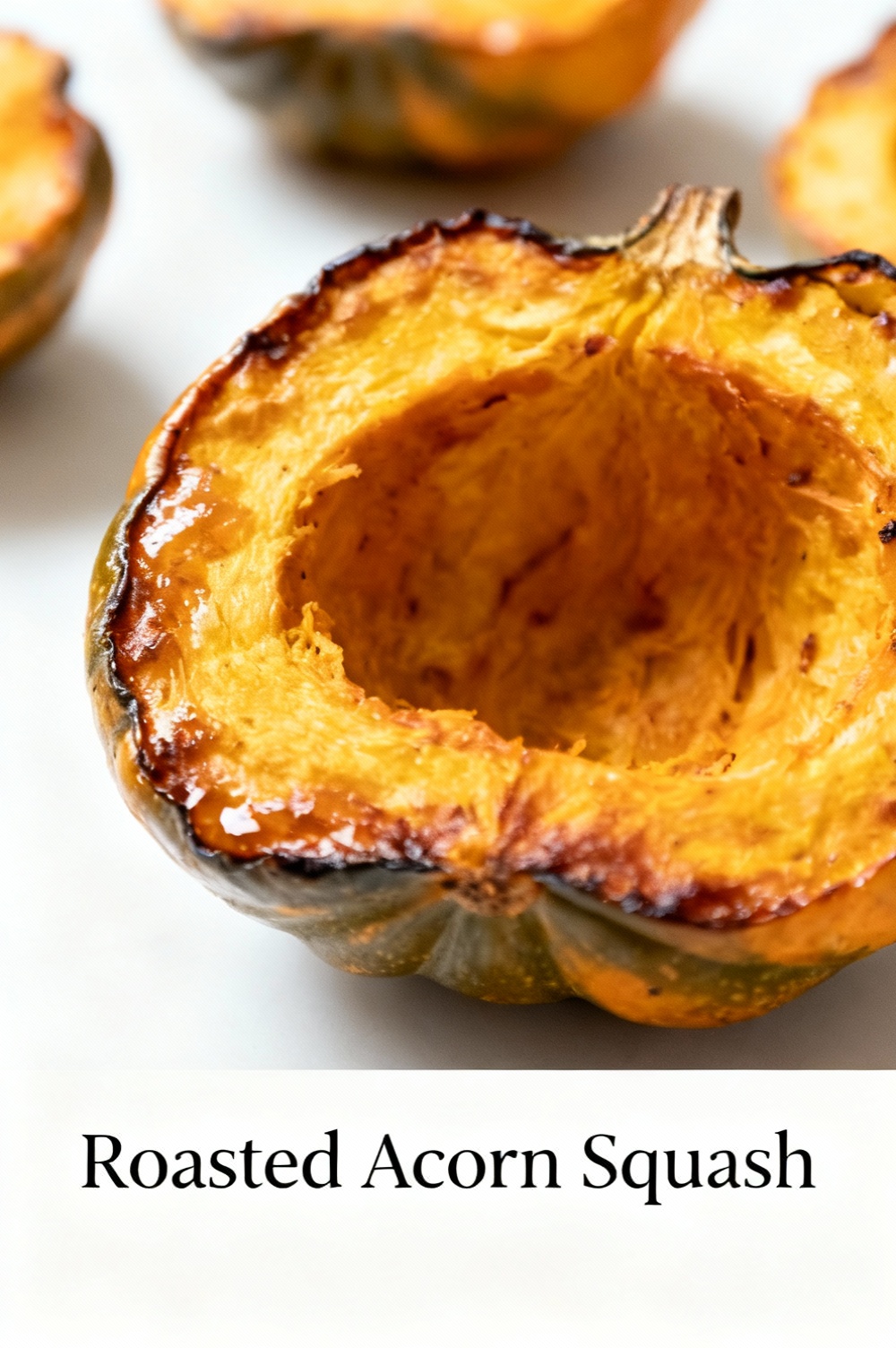
Sweet, caramelized halves brushed with maple-butter and finished with thyme — perfect as a cozy fall side.
Ingredients
- 2 medium acorn squashes (about 2–2½ lb total), halved and seeded
- 2 tbsp unsalted butter, melted (or olive oil for vegan)
- 1 tbsp extra-virgin olive oil (optional, for roasting)
- 2 tbsp pure maple syrup
- 1 tbsp brown sugar (optional, for extra caramelization)
- ½ tsp ground cinnamon
- ¼ tsp smoked paprika or ground nutmeg (optional)
- ½ tsp fine sea salt (adjust to taste)
- ¼ tsp freshly ground black pepper
- 2–3 sprigs fresh thyme or 1 tsp dried thyme (for garnish)
- 2–3 tbsp water (to add to the baking sheet, optional)
Instructions
- Preheat oven to 400°F (200°C). Line a baking sheet with parchment or lightly grease it.
- Cut each acorn squash in half lengthwise and scoop out the seeds with a spoon. Pat the cut sides dry.
- In a small bowl, whisk together the melted butter, olive oil (if using), maple syrup, brown sugar, cinnamon, smoked paprika (or nutmeg), salt, and pepper.
- Brush the cut sides of the squash generously with half of the maple-butter mixture. Place the squash cut-side down on the prepared baking sheet. Pour 2–3 tablespoons of water onto the sheet (not over the squash) to help steam and prevent sticking.
- Roast for 35–40 minutes, until the squash is tender when pierced with a fork. If the outer skin is browning too quickly, tent loosely with foil.
- Carefully flip the squash cut-side up. Brush the remaining maple-butter mixture over the flesh. Return to the oven and roast 5–10 more minutes until the glaze is sticky and slightly caramelized.
- Remove from the oven and let rest 5 minutes. Garnish with fresh thyme leaves before serving. Serve warm as a side or stuffed with grains/salad for a main.
Nutrition Information
- Calories: 210 kcal
- Cholesterol: 23 mg
- Sodium: 120 mg
- Carbohydrates: 35 g
- Fiber: 7 g
- Sugar: 12 g
- Protein: 2 g