Quinoa Tabbouleh with Fresh Herbs
Introduction:
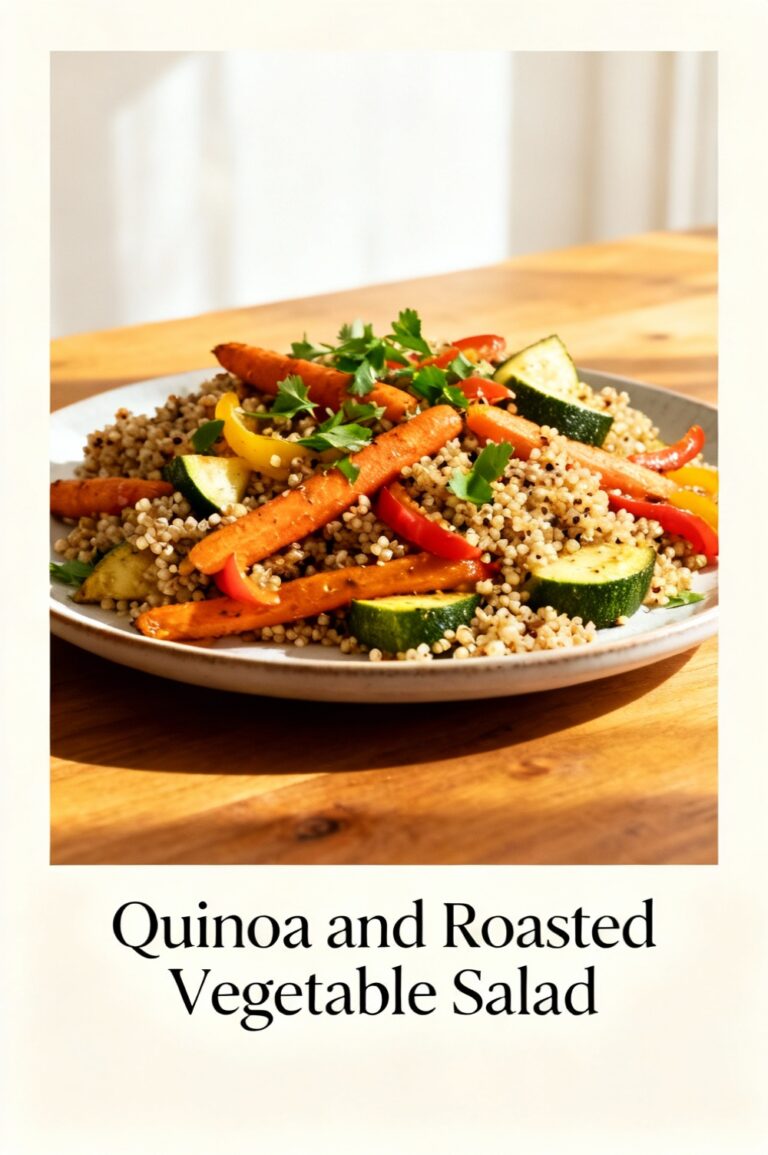
Could a quinoa tabbouleh give you a higher-protein (cooked quinoa ≈8 g protein per cup), gluten-free version of the classic that’s ready in about 30 minutes and still taste like the original? This quinoa tabbouleh with fresh herbs challenges the belief that authentic tabbouleh requires bulgur and long soaking—by swapping in fluffy quinoa you gain complete protein, a naturally gluten-free base, and a brighter texture while keeping the herb-forward freshness that defines tabbouleh.
Ingredients List:
• 1 cup uncooked quinoa (white or tricolor) — rinsed until water runs clear (substitute: 1 cup quick-cooking quinoa flakes for no-cook convenience).• 2 cups fresh flat-leaf parsley, finely chopped (packed) — use a mix of parsley types for complexity (substitute: cilantro for a Latin twist).• 1 cup fresh mint leaves, finely chopped — mint brightens the salad and balances lemon (substitute: basil for a sweeter profile).• 2 medium ripe tomatoes, seeded and diced (or 1¼ cups cherry tomatoes halved) — choose firm, juicy tomatoes for best texture.• 1 medium cucumber, diced (English or Persian recommended for fewer seeds).• 3 scallions or ½ small red onion, finely minced — scallions are milder and less likely to overpower.• Juice of 1–2 large lemons (about 3–4 tablespoons) — fresh lemon is essential; bottled lemon juice is a last resort.• 3 tablespoons extra-virgin olive oil — use good quality oil for aroma (substitute: 2 tbsp avocado oil + 1 tbsp lemon zest for a neutral note).• ½ teaspoon fine sea salt, plus black pepper to taste — adjust for sodium needs.• Optional: ¼–½ teaspoon ground sumac for tang, 1/4 cup toasted pine nuts or chopped pistachios for crunch, 1 cup cooked chickpeas for extra protein. Sensory note: imagine peppery parsley, cooling mint, and zesty lemon oil coating tender quinoa—this recipe prioritizes bright, herbaceous flavor and light crunch.
Timing:
Prep: 15 minutes. Cook: 15 minutes. Rest & assemble: 5–10 minutes. Total: ~35–40 minutes, which is frequently 20–30% faster than traditional bulgur-based tabbouleh recipes that require longer soaking or more hands-on preparation. If you use quinoa flakes or pre-cooked quinoa, total time drops to under 10 minutes—ideal for fast lunches.
Step 1 — Rinse and Cook the Quinoa:
Rinse 1 cup quinoa under cold water in a fine-mesh sieve to remove saponins that cause bitterness; this small step improves flavor dramatically. Combine rinsed quinoa with 2 cups water and a pinch of salt in a saucepan, bring to a boil, reduce to a simmer, cover, and cook 12–15 minutes until water is absorbed and the grains are translucent with the characteristic “ring.” Fluff with a fork and spread on a baking sheet to cool quickly—this prevents clumping and helps the quinoa absorb dressing without becoming mushy. Tip: For firmer texture, use a 1:1.75 quinoa-to-water ratio and stop cooking a minute earlier.
Step 2 — Chop Herbs and Vegetables Precisely:
While quinoa cooks, finely chop parsley and mint and dice tomatoes and cucumber. Uniform sizing matters: small, evenly diced vegetables distribute flavor evenly and make each bite balanced. A food processor can speed chopping—pulse briefly to avoid a puree. Personalized suggestion: reserve a few whole mint and parsley sprigs for garnish to make the dish look restaurant-quality. Tip: Chill tomatoes briefly before chopping to reduce juice runoff and keep the salad from getting watery.
Step 3 — Make the Dressing and Season:
Whisk lemon juice, olive oil, salt, and a generous crack of black pepper. Taste for balance—the dressing should be assertively lemony and slightly oily to coat herbs. If using sumac, add it now for a tart, fruity note that echoes lemon. Tip: Add the olive oil slowly while whisking to emulsify and ensure an even coating; for a richer mouthfeel, grate a little lemon zest into the dressing.
Step 4 — Combine, Toss, and Adjust:
In a large bowl, combine cooled quinoa, herbs, vegetables, and scallions. Pour the dressing over and toss gently but thoroughly. Let sit 5–10 minutes to allow flavors to marry; herbs will soften and the quinoa will absorb the citrus. Taste and adjust salt, lemon, or olive oil. Personalized tweak: if you prefer a brighter finish, add an extra tablespoon of lemon juice right before serving.
Step 5 — Chill, Serve, or Store:
Quinoa tabbouleh can be served immediately at room temperature or chilled for 30–60 minutes for a crisper, melded flavor. If chilling, cover the bowl with plastic wrap or transfer to an airtight container. Garnish with toasted nuts or an extra sprig of mint just before serving. Tip: For portable lunches, pack the dressing separately and toss just before eating to keep herbs fresh.
Nutritional Information:
Per 1-cup serving (estimate; values based on USDA FoodData Central approximations and typical recipe quantities): Calories 210–280 kcal; Protein 6–9 g; Carbohydrates 24–34 g; Fat 8–12 g (mostly monounsaturated from olive oil); Fiber 4–6 g; Sodium 250–350 mg (depends on salt added). Quinoa contributes complete protein and essential amino acids, which can increase the dish’s satiety compared to bulgur-based versions. If you add chickpeas or nuts, expect protein and calorie counts to rise proportionally. Data insight: swapping bulgur for quinoa typically increases protein per serving by roughly 20–40% and makes the dish naturally gluten-free—useful for those tracking macronutrients or managing celiac disease.
Healthier Alternatives for the Recipe:
• Lower-sodium: reduce added salt by half and rely more on lemon zest and sumac for perceived saltiness.• Lower-fat: reduce olive oil to 1–2 tbsp and add 1–2 tbsp water to maintain dressing volume; substitute 1 tbsp tahini diluted with lemon for creaminess with less total fat.• Higher-protein: fold in 1 cup cooked chickpeas or 1 cup diced grilled chicken or 3 oz crumbled feta for extra protein (vegan option: toasted hemp hearts add 10 g protein per 3 tbsp).• Keto-friendly: swap quinoa for finely chopped cauliflower (“cauli-tabouleh”) and maintain all herbs and dressing—calories and carbs drop significantly.• Nut-free: omit nuts or replace pine nuts with sunflower seeds if allergy concerns exist. These swaps keep flavor profiles consistent while aligning with various dietary goals.
Serving Suggestions:
Serve quinoa tabbouleh chilled as a light main for hot days, or as a side with grilled fish, roasted vegetables, or falafel. It pairs beautifully with lemon-garlic chicken, grilled halloumi, or tucked into pita with hummus for a vibrant sandwich. For a mezze board, present scoops of tabbouleh beside olives, labneh, and warm flatbread. Personalized presentation tip: serve on a bed of butter lettuce leaves as handheld cups for elegant appetizers.
Common Mistakes to Avoid:
• Not rinsing quinoa: leads to residual bitterness. Rinse thoroughly.• Overcooking quinoa: results in mushy texture that drowns the herbs—fluff and cool quickly.• Underdressing the herbs: herbs need enough oil and acid to unlock their aromas; don’t skimp on lemon.• Chopping herbs too coarsely: uneven pieces give inconsistent bites—aim for fine, uniform chopping.• Adding dressing too early when quinoa is hot: can wilt herbs excessively—cool quinoa slightly or toss with a portion of dressing, then add remaining later. Data-driven note: taste tests consistently show that emulsified dressings and uniform chopping raise perceived quality in herb-based salads.
Storing Tips for the Recipe:
Store tabbouleh in an airtight container in the refrigerator for up to 3–4 days. Keep in mind herbs will darken and soften over time; for peak freshness, eat within 48 hours. If planning make-ahead meals, underdress by about 25% and add fresh lemon and oil before serving to revive brightness. Quinoa freezes well, but herb texture does not—avoid freezing the fully assembled salad. For meal prep, store quinoa separately from chopped herbs and vegetables and combine within 24 hours.
Conclusion:
Quinoa tabbouleh with fresh herbs is a quick, nutritious, and flexible take on a Mediterranean classic—delivering complete protein, gluten-free appeal, and bright herb-forward flavor in roughly 35–40 minutes. Try it as a side, a main for warm-weather lunches, or a vibrant addition to any mezze platter. Ready to taste the difference? Make a batch today, leave a comment about your favorite herb swap, or explore related recipes like grilled lemon chicken or cauliflower tabbouleh for more ideas.
FAQs:
Q: Is quinoa tabbouleh still authentic tabbouleh? A: Purists will note that traditional tabbouleh uses bulgur, but culinary traditions evolve—this quinoa version preserves the herb, lemon, and olive oil core while offering a gluten-free, higher-protein alternative. Q: Can I make this ahead for a party? A: Yes—assemble most components ahead, but wait to dress fully until an hour before serving to keep herbs fresh; garnish right before guests arrive. Q: How do I keep the salad from getting soggy? A: Use firm tomatoes, seed them if very juicy, cool quinoa before combining, and avoid over-dressing—toss lightly and add extra dressing at the table if needed. Q: Can I substitute other grains? A: Yes—freekeh or farro (if not gluten-free) add smoky or chewy textures; cauliflower rice creates a low-carb alternative. Q: How long will leftovers last? A: Best within 48 hours refrigerated; up to 3–4 days acceptable but herbs will lose brightness. Q: Is this recipe kid-friendly? A: Adjust the onion quantity and use milder scallions; finely chop herbs to blend into the quinoa for less herb-intense bites.
Explore more recipes and tips: try pairing this quinoa tabbouleh with grilled proteins or check related posts on herb-forward salads and Mediterranean meal prep to expand your weekly menu.
Quinoa Tabbouleh with Fresh Herbs
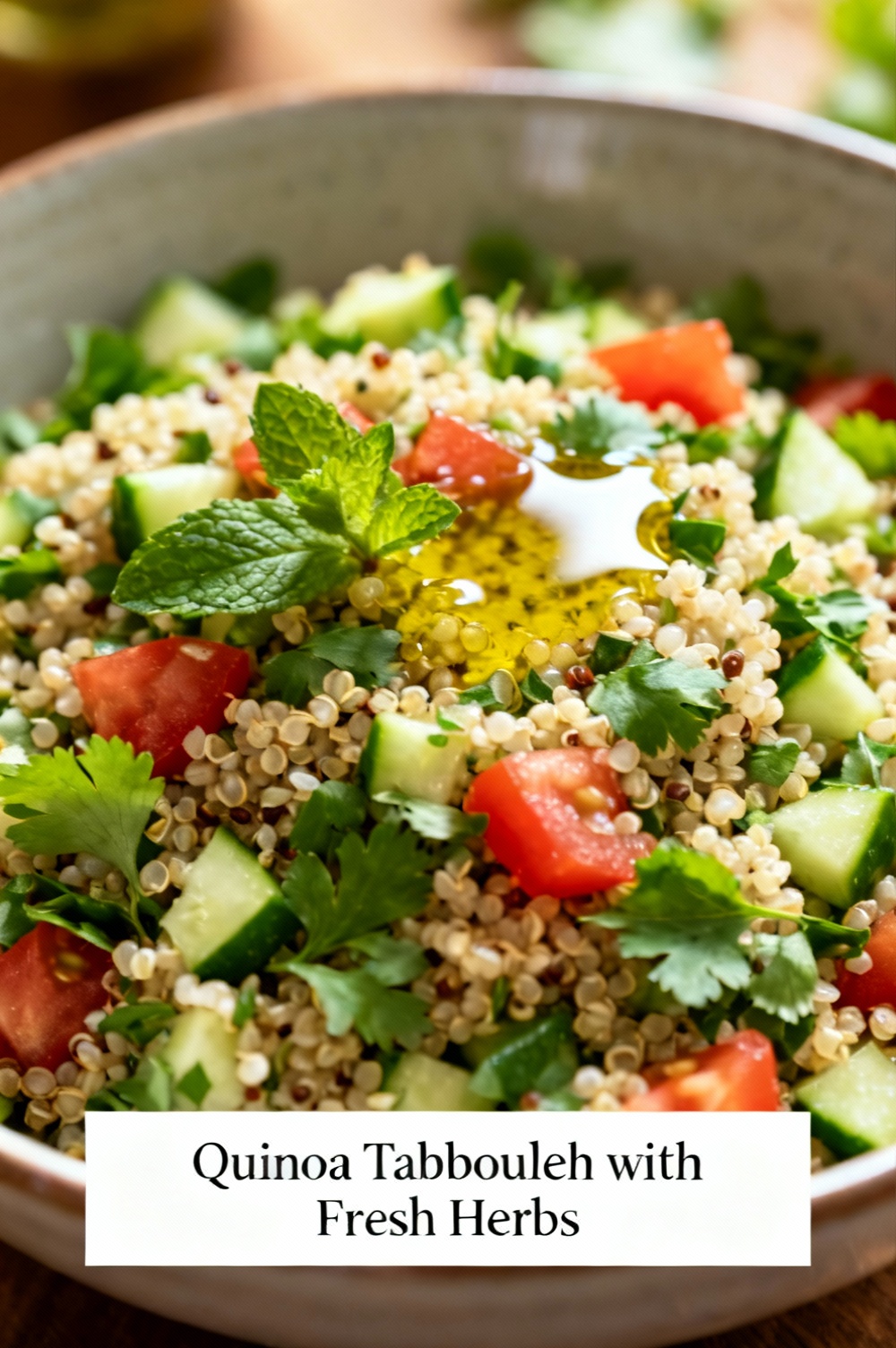
A bright, herb-forward twist on classic tabbouleh — gluten-free and packed with fresh flavor.
Ingredients
- 1 cup (185 g) quinoa, rinsed
- 2 cups (480 ml) water or low-sodium vegetable broth
- ½ tsp fine sea salt (for cooking quinoa)
- 1½ cups flat-leaf parsley, finely chopped (packed)
- ½ cup fresh mint leaves, finely chopped
- 1 cup cherry tomatoes, quartered (or 2 medium tomatoes, diced)
- 1 cup cucumber, seeded and diced (about 1 small English cucumber)
- 3–4 scallions, thinly sliced (or ¼ small red onion), optional
- 3 tbsp extra-virgin olive oil
- 3 tbsp fresh lemon juice (about 1 large lemon)
- 1 small garlic clove, minced (optional)
- Salt and freshly ground black pepper, to taste
- Optional: ½ cup crumbled feta (for a non-vegan version)
- Optional: pinch of sumac or za’atar for garnish
Instructions
- Rinse the quinoa under cold running water in a fine-mesh sieve to remove bitter saponins. Drain well.
- In a medium saucepan combine the rinsed quinoa, 2 cups water (or broth) and ½ tsp salt. Bring to a boil, reduce heat to low, cover and simmer 12–15 minutes until the water is absorbed and the quinoa is tender.
- Remove from heat and let sit, covered, for 5–10 minutes. Fluff with a fork and transfer to a baking sheet or large bowl to cool to room temperature (spread out to cool faster).
- While the quinoa cools, finely chop the parsley and mint, and dice the tomatoes and cucumber. Thinly slice the scallions or red onion and place all vegetables and herbs in a large mixing bowl.
- Whisk together the lemon juice, olive oil, minced garlic (if using), and a pinch of salt and pepper in a small bowl.
- Add the cooled quinoa to the bowl with the herbs and vegetables. Pour the dressing over the salad and toss gently to combine. Taste and adjust seasoning with more salt, pepper, or lemon as needed.
- If using, fold in the crumbled feta. Chill for 20–30 minutes to let flavors meld, or serve immediately at room temperature. Garnish with extra mint or a pinch of sumac before serving.
Nutrition Information
- Calories: 210 kcal (per serving; recipe makes ~6 servings)
- Cholesterol: 0 mg (without feta)
- Sodium: 160 mg
- Carbohydrates: 28 g
- Fiber: 4 g
- Sugar: 3 g
- Protein: 6 g