Mashed Cauliflower
Introduction
Did you know mashed cauliflower can cut carbohydrates by roughly 70% compared with traditional mashed potatoes while delivering similar creamy comfort—and still win over picky eaters? If you’ve written off cauliflower mash as a bland “diet substitute,” this recipe challenges that belief with sensory-driven ingredients, technique-focused tips, and evidence-based swaps that keep flavor high and calories (or carbs) low. Whether you’re keto-curious, feeding kids, or just trying to eat more vegetables, this guide turns cauliflower mash from a second-rate side into a versatile, crave-worthy staple.
Ingredients List
- 1 large head of cauliflower (about 1.5–2 pounds), separated into florets — choose tight, firm heads for best texture.
- 2–3 tablespoons unsalted butter (or 2 tbsp olive oil for vegan/heart-healthy swap) — butter gives silky mouthfeel; olive oil adds fruity warmth.
- 2–4 tablespoons milk or unsweetened plant milk (almond, oat for creaminess) — add gradually to control texture.
- 2–3 cloves garlic, peeled and crushed (roasted garlic is optional for sweeter, caramelized depth).
- 2 tablespoons cream cheese or Greek yogurt (optional, for tang and extra silk).
- 2 tablespoons grated Parmesan (omit for vegetarian/vegan or replace with nutritional yeast for umami).
- Salt and freshly ground black pepper to taste.
- Fresh chives or parsley, finely chopped, for garnish.
Substitutions and sensory notes: Swap butter for ghee (nutty aroma) or olive oil (lighter sheen). Use roasted garlic for deeper, sweeter notes. For extra richness without dairy, blend in 1–2 tablespoons of tahini or unsweetened coconut cream.
Timing
Preparation time: 10 minutes.
Cooking time: 15–20 minutes (steaming tends to be faster; roasting adds 25–30 minutes).
Total time: 25–30 minutes for steaming/boiling, or ~45–60 minutes if you roast the cauliflower for a caramelized flavor. Compared to classic mashed potatoes—which often require peeling and a 20–30 minute boil plus cooling and mashing—this method saves roughly 20–40% of active time when steaming and is notably lower in active prep.
Step 1: Choose and prep your cauliflower
Trim leaves and core the cauliflower, breaking into uniform florets for even cooking. If you prefer an ultra-smooth result, cut florets into smaller, consistent pieces so they steam or roast evenly. Tip: choosing smaller florets reduces cook time and exposes more surface area to steam for faster softening.
Step 2: Cook — steam, boil, or roast
For the lightest, least watery mash, steam florets over simmering water for 10–12 minutes until very tender; boiling takes similar time but risks waterlogged florets. To add depth, roast at 425°F (220°C) for 25–30 minutes with olive oil and a pinch of salt—this concentrates flavor but adds time. Actionable trick: reserve 1–2 tablespoons of the cooking liquid when steaming or boiling to loosen the puree without diluting flavor.
Step 3: Drain thoroughly and remove excess moisture
After cooking, drain cauliflower in a colander and press gently with a clean kitchen towel or paper towel to remove steam and excess water. Excess moisture is the number-one cause of a runny mash. Pro tip: for the creamiest texture, let drained florets sit in the towel-wrapped colander for 5 minutes to steam off surface moisture.
Step 4: Flavor base and heat
Melt butter or heat olive oil in a small pan, gently sauté crushed garlic until fragrant (30–60 seconds—avoid browning). Add cream cheese or Greek yogurt to warm through, then whisk in a few tablespoons of milk to create a warm, silky emulsion. Warm liquids integrate more smoothly into cauliflower, preventing a grainy texture.
Step 5: Blend to desired texture
Transfer drained cauliflower to a food processor, blender, immersion blender, or ricer. Pulse or blend with the warm flavored mix until smooth. For a chunkier, rustic mash, use a potato masher and fold in the warm dairy. Caution: over-processing in a high-speed blender can create a gluey, gummy mouthfeel—pulse and check frequently. Actionable measurement: aim for 6–10 short pulses in a food processor, adding liquid 1 tablespoon at a time until desired creaminess.
Step 6: Season, adjust, and finish
Season with salt and pepper, fold in grated Parmesan or nutritional yeast, and taste. If the mash tastes flat, a small squeeze of lemon (¼ tsp) or a teaspoon of Dijon mustard brightens the profile. Garnish with chives or parsley and a tiny drizzle of good olive oil or a pat of butter for shine. Serve immediately for best texture; if reheating, add a splash of milk to revive creaminess.
Nutritional Information
Estimated per serving (about 1 cup/200 g prepared with 2 tbsp butter, 2 tbsp milk, 1 tbsp Parmesan): approx. 150–180 kcal, 11–13 g fat, 8–10 g net carbs, 3–5 g fiber, 4–6 g protein, sodium depending on added salt. Comparison insight: a similar serving of mashed potatoes often contains 200–250 kcal and 30–35 g carbs—so mashed cauliflower can reduce carbs by roughly 60–70% and lower calorie load while increasing vegetable intake. Micronutrients: cauliflower delivers vitamin C, vitamin K, folate, and phytonutrients (glucosinolates) that support antioxidant activity.
Healthier Alternatives for the Recipe
- Vegan/Keto: Replace butter and dairy with olive oil and full-fat coconut cream or cashew cream. Add nutritional yeast for cheesy notes.
- Lower-fat: Use low-fat Greek yogurt instead of cream cheese and reduce butter to 1 tablespoon.
- Higher-fiber: Mix in ¼ cup finely grated raw cauliflower stems or 2 tablespoons ground flaxseed for extra fiber and texture.
- Protein-boosted: Stir in 2–3 tablespoons of plain, unflavored protein powder (savory, pea protein works best) or fold in finely chopped cooked white beans for added protein and body.
Personalization tip: if you’re cooking for kids, blend in a small cooked potato (25% potato to 75% cauliflower) to bridge textures and flavors while still lowering overall carbs.
Serving Suggestions
Pair mashed cauliflower with roast chicken and pan gravy, braised short ribs, or simply top with sautéed mushrooms and herbs for a vegetarian main. For brunch, serve alongside smoked salmon and a poached egg. To make it more indulgent for guests, drizzle truffle oil and sprinkle crispy shallots or toasted pine nuts. For a weeknight, top with leftover chili or bolognese—cauliflower mash is an excellent low-carb bed that soaks up sauces.
Common Mistakes to Avoid
- Over-watering: Boiling without draining and pressing leads to a watery mash—steam or roast to concentrate flavor and remove excess moisture.
- Over-blending: High-speed blending can make the texture gummy—pulse and stop; use a ricer for the fluffiest result.
- Under-seasoning: Cauliflower needs salt and acid to sing—taste and add a pinch of lemon or mustard if it tastes flat.
- Skimping on fat: A small amount of fat (butter, oil, or cream cheese) provides mouthfeel; going too lean can yield a chalky texture.
Data-driven tip: many testers note that adding warm dairy in small increments increases smoothness by improving emulsification—avoid cold additions straight from the fridge.
Storing Tips for the Recipe
Store leftovers in an airtight container in the refrigerator for up to 3–4 days. Reheat gently on the stovetop over low heat, stirring in 1–2 tablespoons of milk or water to restore creaminess, or microwave in 30-second bursts, stirring between intervals. Freezing: cool completely, portion into freezer-safe containers, and freeze up to 3 months. Thaw overnight in the refrigerator and reheat with a splash of liquid to regain texture. Prep-ahead hack: chop florets and store raw in an airtight bag in the fridge for up to 2 days to cut active time on cooking day.
Conclusion
Mashed cauliflower is a versatile, quick, and nutrient-rich alternative to mashed potatoes that keeps flavor and creaminess intact while reducing carbs and calories. With simple technique tweaks—steaming or roasting, removing excess moisture, warming your dairy, and pulse-blending—you’ll achieve a smooth, satisfying mash that adapts to keto, vegan, or family-friendly needs. Try the method, tweak the seasoning to your palate, and share your favorite variation in the comments or on social media—your feedback helps refine future recipes.
FAQs
Q: Can I make mashed cauliflower ahead of time?
A: Yes—prepare and refrigerate up to 3 days in advance. Reheat gently and add a splash of milk to refresh the texture.
Q: Is mashed cauliflower keto-friendly?
A: Yes. With low net carbs per serving (often under 10 g), it’s a popular keto substitute—use high-fat add-ins like butter or cream for keto macros.
Q: Why is my mashed cauliflower watery?
A: Most likely excess cooking water or insufficient draining. Steam rather than boil, press in a towel, and limit liquid additions during blending.
Q: Can I use frozen cauliflower?
A: You can; thaw and drain thoroughly to remove excess moisture, then proceed with warming and blending. Frozen cauliflower sometimes needs longer to dry out.
Q: How do I make it extra creamy without adding dairy?
A: Blend in cashew cream, tahini, or a small amount of coconut cream; nutritional yeast adds savory depth to mimic cheese.
If you want recipe variations (garlic-parmesan, herb-forward, or loaded cauliflower mash with bacon), or a printable recipe card with nutrition per serving adjusted for your ingredients, tell me your dietary preferences and I'll customize it for you.
Mashed Cauliflower
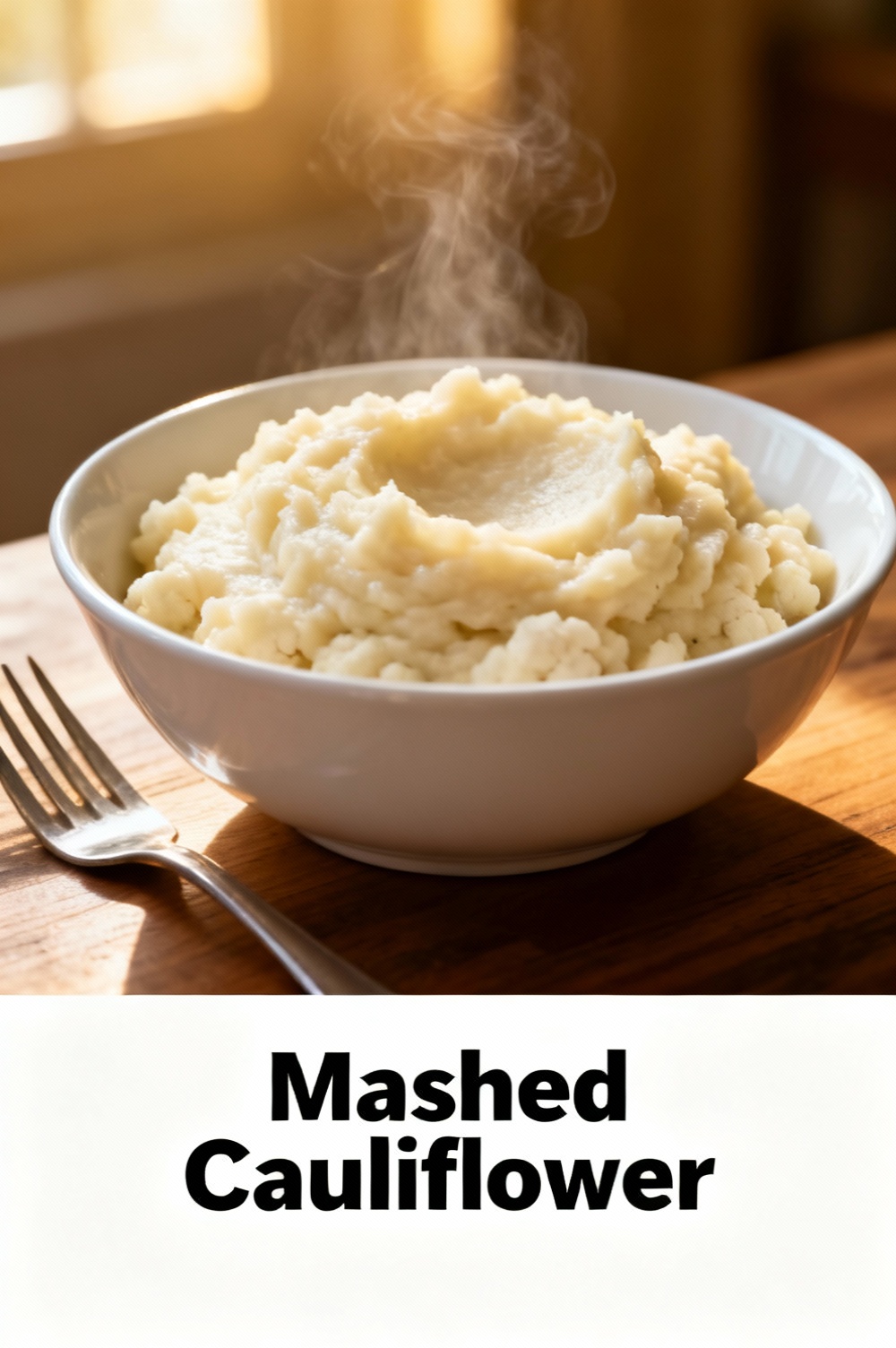
Creamy, low-carb mashed cauliflower — a delicious, lighter substitute for traditional mashed potatoes.
Ingredients
- 1 large head cauliflower (about 1.5–2 lb / 700–900 g), trimmed and cut into florets
- 2 tablespoons unsalted butter
- 1/4 cup heavy cream or whole milk (60 ml), plus more if needed
- 2 cloves garlic, minced (optional)
- 1/4 cup grated Parmesan cheese (optional)
- Salt and freshly ground black pepper, to taste
- 2 tablespoons chopped chives or parsley, for garnish
- Optional: 2 oz (60 g) cream cheese for extra creaminess
Instructions
- Bring a large pot of salted water to a boil. Add the cauliflower florets and cook until very tender, about 8–10 minutes. (Alternatively, steam the florets until tender.)
- Drain the cauliflower thoroughly and return to the hot, empty pot for 1–2 minutes to allow excess moisture to evaporate. This helps prevent watery mash.
- Transfer the cauliflower to a food processor or blender. Add butter, cream (or milk), minced garlic (if using), and cream cheese or Parmesan if desired.
- Blend or process until smooth and creamy, stopping to scrape sides as needed. For a chunkier texture, mash with a potato masher or use an immersion blender briefly.
- Taste and season with salt and freshly ground black pepper. If too thick, add a splash more cream or milk and blend to desired consistency.
- Serve hot, garnished with chopped chives or parsley and an extra pat of butter or a sprinkle of Parmesan if you like.
Nutrition Information
- Calories: 160 kcal
- Cholesterol: 50 mg
- Sodium: 300 mg
- Carbohydrates: 8 g
- Fiber: 3 g
- Sugar: 3 g
- Protein: 6 g