Honeynut Squash
Introduction:
Could a smaller, sweeter squash change the way you cook fall vegetables—and save you time in the kitchen—without sacrificing nutrition or flavor? Honeynut squash, a compact, caramel-sweet relative of butternut, challenges the assumption that bigger squash equals better flavor and proves that intense sweetness and higher nutrient density can come in a palm-sized package.
Ingredients List:
- 2 honeynut squashes (about 1–1.2 lb total), scrubbed and halved — their thin skin roasts to a tender, caramelized edge; substitute 1 small butternut if unavailable, noting longer cook time and milder sweetness.
- 2 tbsp olive oil (or avocado oil for a higher smoke point) — use toasted sesame oil for a nutty finish or melted coconut oil for a subtly tropical note.
- 1 tbsp maple syrup or honey (optional, enhances caramelization) — swap for brown rice syrup or date syrup for a vegan-friendly alternative with lower fructose impact.
- 1 tsp flaky sea salt and ½ tsp freshly ground black pepper — replace with smoked salt or chili lime salt for a flavor twist.
- 1 tsp fresh thyme leaves or ½ tsp dried thyme — rosemary or sage both pair beautifully; try za'atar for a Middle Eastern spin.
- 1 tbsp lemon juice or apple cider vinegar (brightens roasted sweetness) — use orange juice for a sweeter finish.
- Optional finishing: 1–2 tbsp crumbled feta or toasted pepitas; for vegan options, use toasted walnuts or pumpkin seeds and a drizzle of almond yogurt.
Timing:
- Preparation: 10 minutes.
- Cooking: 30–40 minutes at 400°F (200°C) depending on size and oven—honeynut squash typically roasts 20–30% faster than a full-size butternut because of its smaller cavity and thinner flesh.
- Total time: 40–50 minutes (roughly 50 minutes on average; about 15–20 minutes less than many butternut roast recipes).
- Hands-off percentage: about 80% of the cook time is passive roasting—great for multitasking or prepping sides.
Step 1: Preheat and prep for even roasting
Preheat the oven to 400°F (200°C). Line a baking sheet with parchment or a light coating of oil to prevent sticking. Use a sharp chef’s knife to halve each honeynut lengthwise; the smaller, uniform halves roast more predictably. Tip: if your squash resists cutting, microwave for 20–30 seconds to soften the skin slightly and reduce risk.
Step 2: Remove seeds and season with intent
Scoop seeds and fibrous strands with a spoon — save seeds for toasting (toss with oil and salt, bake 10–12 minutes). Brush the cut surfaces with oil, then sprinkle salt, pepper, and thyme. Add a thin ribbon of maple syrup for extra caramelization. Actionable tip: season in layers—salt before roasting and a light finish salt after to sharpen flavors.
Step 3: Roast for caramelized texture
Place squash cut-side down for a softer, sweeter interior and crisper rims. Roast for 25–35 minutes, flipping cut-side up halfway if you prefer deeper caramelization on top. Check doneness by piercing the thickest part with a fork: it should glide in smoothly. Personalization: for smoky depth, add a few wood chips on a foil-wrapped tray below the rack or a dash of smoked paprika to the seasoning.
Step 4: Rest and finish with brightness
Remove from oven and let rest 3–5 minutes to redistribute juices. Drizzle with lemon juice or apple cider vinegar to lift flavors. Sprinkle pepitas, feta, or fresh herbs. Tip: a small knob of butter or a spoon of tahini melted into the flesh transforms the squash into an indulgent side or a creamy bowl base.
Step 5: Serve or transform into other dishes
Scoop flesh over grains, blend into soups, or use as a pizza topping. To make a quick mash, add a splash of milk (or plant milk), a pinch of nutmeg, and mash to desired consistency. Storage tip: reserve roasted halves in an airtight container for up to 4 days in the refrigerator.
Nutritional Information:
Using USDA data for winter squash as a proxy, cooked honeynut squash provides a nutrient-dense profile per 100 g: approximately 40–50 kcal, 10–12 g carbohydrates, 1 g protein, negligible fat, and 1.5–3 g fiber. Honeynut tends to be sweeter and, according to breeder notes, richer in beta-carotene than some larger varieties; beta-carotene converts to vitamin A, supporting eye and immune health. It’s also a source of potassium and vitamin C. If you replace oil with a lighter spray and skip added sweeteners, a half-squash serving commonly falls under 150 kcal, making it an excellent choice for weight-conscious and nutrient-focused diets. For precise tracking, weigh your cooked portion and use USDA entries for “cooked winter squash” to calculate exact macros.
Healthier Alternatives for the Recipe:
- Reduce oil: use a light spray of oil or brush only the cut surface—this cuts fat while retaining caramelization.
- Swap sweeteners: omit maple or use a dusting of cinnamon to enhance perceived sweetness without added sugars.
- Boost protein: serve over quinoa or toss with chickpeas to make a balanced meal; add a spoonful of Greek yogurt or a sprinkle of hemp seeds.
- Lower glycemic load: pair with fiber- and protein-rich sides (beans, lentils, whole grains) to blunt blood sugar spikes.
- Anti-inflammatory twist: swap black pepper for turmeric and black pepper combo; add a splash of extra-virgin olive oil after roasting for polyphenols.
Serving Suggestions:
- Weeknight grain bowl: roasted honeynut over farro or brown rice, kale, toasted pepitas, and lemon-tahini dressing.
- Elegant starter: halve and roast, top with whipped ricotta, honey, and toasted walnuts for a seasonal appetizer.
- Soup base: blend roasted honeynut with sautéed onions, garlic, and vegetable stock for a creamy, dairy-free soup—finish with coconut milk or crème fraîche.
- Salad boost: cube and toss warm with arugula, pomegranate seeds, and a sherry vinaigrette. Personalized tip: sprinkle with chili flakes if you like heat, or a squeeze of blood orange for a bright seasonal punch.
Common Mistakes to Avoid:
- Cutting without confidence: dull knives increase risk; sharpen or microwave briefly if too tough.
- Overcrowding the pan: crowded squash steams, not roast—space halves evenly for caramelization.
- Skimping on salt: salt balances sweetness and enhances caramel flavors—season before and after roasting for best results.
- Ignoring size variability: tiny honeynuts may finish earlier—check at 20 minutes, then every 5 minutes.
- Discarding the seeds: they toast beautifully and reduce waste—toss with spices and bake 10–12 minutes.
Storing Tips for the Recipe:
- Refrigerator: cooled roasted squash stores in an airtight container up to 4 days; reheat gently in a 350°F oven to restore texture.
- Freezing: scoop flesh or puree and freeze in portions (ice cube tray or silicone molds) for up to 3 months; thaw and reheat in soups or curries.
- Prep ahead: halve and seed raw squash up to 48 hours before roasting; keep refrigerated in a sealed container to reduce hands-on day-of time.
- Seed storage: toasted seeds keep crisp for 5–7 days in an airtight jar—add at the last minute to preserve crunch.
Conclusion:
Honeynut squash is a small but powerful ingredient—faster to cook than larger winter squash, naturally sweeter, and versatile across sweet and savory dishes. With simple techniques (cut, season, roast) and small tweaks (swap oils, add protein), it becomes a weeknight hero or a centerpiece for entertaining. Try roasting a few honeynuts this week; share your favorite pairing in the comments or tag a photo if you post it—I'd love to see how you make it yours.
FAQs:
Q: What does honeynut squash taste like?
A: It’s sweeter and more intensely nutty than butternut, with caramelized edges when roasted and a silky texture.
Q: Can I eat the skin?
A: Yes—when roasted, the thin skin is tender and edible. If you prefer, scoop the flesh out and discard the skin.
Q: How do I know when it’s done?
A: A fork should pierce the flesh easily; roasted edges will be caramelized and slightly browned. For smaller specimens check sooner.
Q: Can I use honeynut in desserts?
A: Absolutely—its natural sweetness works well in pies, custards, and muffins. Swap pumpkin purée with roasted honeynut purée for a more complex flavor.
Q: Is honeynut squash good for diabetics?
A: It contains carbohydrates like all squash, but when paired with protein and fiber it can be part of a balanced meal. Monitor portions and pair with low-GI sides.
Q: Where can I buy honeynut squash?
A: Seasonal at farmers’ markets in fall and early winter; some grocery stores stock them, and many seed catalogs list them for growing if you want home-grown freshness.
Q: Can I roast whole honeynut squash?
A: Smaller ones can be roasted whole at 375°F for 40–50 minutes; pierce the skin with a fork to vent and ensure even cooking.
For more ideas, check related recipes like roasted butternut bowls, winter squash soup, and seed-toasting hacks—each adapts easily to honeynut for faster cooking and brighter flavor.
Honeynut Squash
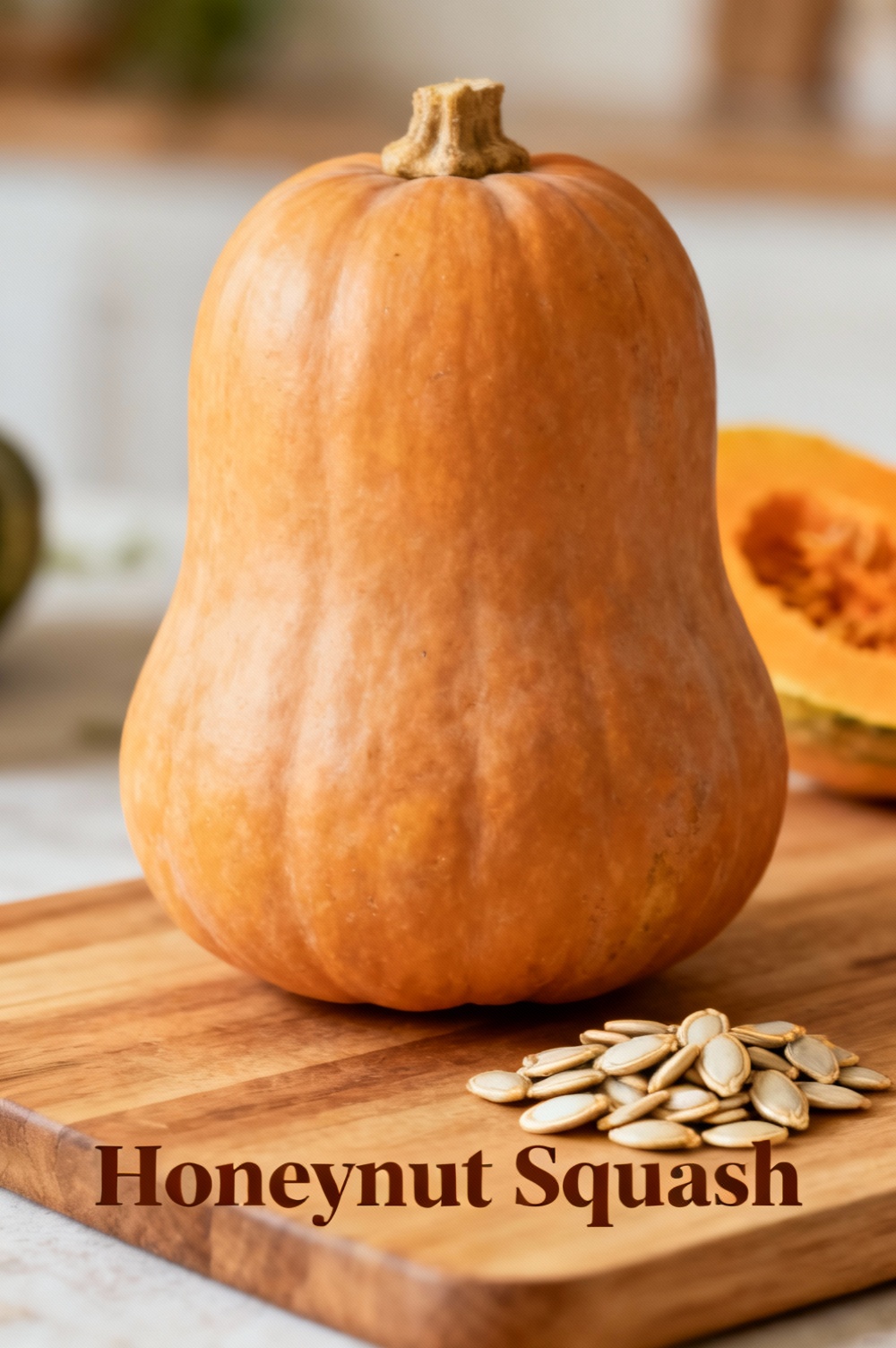
Sweet, nutty and caramelized — simple roasted honeynut squash with maple and thyme.
Ingredients
- 2 pounds honeynut squash (about 3–5 small squash), halved and seeds removed
- 2 tablespoons olive oil
- 1 tablespoon pure maple syrup (or honey)
- 1 teaspoon kosher salt (adjust to taste)
- 1/2 teaspoon freshly ground black pepper
- 1 teaspoon fresh thyme leaves (or 1/2 teaspoon dried thyme)
- 1 tablespoon unsalted butter (optional, for finishing)
- 2 tablespoons toasted pepitas or crumbled feta, for serving (optional)
- Fresh lemon zest or a squeeze of lemon, for brightness (optional)
Instructions
- Preheat the oven to 400°F (200°C). Line a baking sheet with parchment paper or lightly oil it.
- Trim any tough ends from the honeynut squash, then halve lengthwise and scoop out the seeds with a spoon. If squash are very small, you can roast whole or halved depending on size.
- In a large bowl, whisk together the olive oil, maple syrup, salt, pepper and thyme. Add the squash halves and toss to coat—cut sides can face up or down depending on your preferred caramelization (cut-side up for deeper caramel color).
- Arrange the squash cut-side up on the prepared baking sheet. Roast for 30–40 minutes, until the flesh is tender when pierced with a fork and edges are caramelized. Cooking time varies with squash size; smaller ones may finish sooner.
- If using, dot the squash with butter in the last 5 minutes of roasting to melt and glaze the flesh. Remove from oven.
- Serve warm topped with toasted pepitas or crumbled feta and a little lemon zest or a squeeze of lemon for brightness.
- Leftovers keep in the fridge for up to 3 days and are lovely reheated or added to salads and grain bowls.
Nutrition Information
- Calories: 150 kcal
- Cholesterol: 0 mg
- Sodium: 140 mg
- Carbohydrates: 24 g
- Fiber: 4 g
- Sugar: 6 g
- Protein: 2 g