Homemade Mac & Cheese
Introduction
What if you could make a creamy, restaurant-quality mac & cheese at home in about 35 minutes that beats boxed mixes on flavor and ingredient transparency—would you still reach for the blue box? Home cooks increasingly prioritize real ingredients and speed; this recipe shows how to deliver big, nostalgic flavor without long prep, excessive additives, or opaque ingredient lists.
Ingredients List
– 12 oz (340 g) elbow macaroni or pasta of choice (swap: shells or cavatappi for extra sauce-holding surface). Use gluten-free pasta for GF diets.
– 3 tbsp unsalted butter (swap: olive oil or plant-based margarine for dairy-free).
– 3 tbsp all-purpose flour (swap: gluten-free 1-to-1 flour or cornstarch—see notes below).
– 2 cups (480 ml) whole milk, warmed (swap: 2% for lighter version; unsweetened almond, oat, or soy milk for dairy-free—note on texture below).
– 1 cup (240 ml) low-sodium chicken or vegetable stock (optional, adds depth).
– 2 cups (about 200 g) sharp cheddar, freshly shredded (fresh-shredded melts better than pre-shredded). Mix cheddar with Gruyère, fontina, or smoked gouda for complexity.
– 1/2 cup grated Parmesan or Pecorino (adds umami).
– 1 tsp Dijon mustard (brightens flavor), 1/2 tsp garlic powder, pinch of nutmeg (optional).
– Salt and black pepper to taste.
– Optional crunchy topping: 1 cup panko mixed with 1 tbsp melted butter and 1 tbsp chopped fresh parsley.
Sensory note: choose a mix of a sharp, tangy cheddar plus a melty, creamy cheese (fontina or mozzarella) for perfect balance—texture and aroma are everything.
Timing
Preparation time: 10 minutes.
Cooking time: 25–30 minutes (stovetop finish) or 30–35 minutes (baked with topping).
Total time: about 35 minutes stovetop, 45 minutes baked—roughly 20–30% faster than traditional long-bake casserole methods that can take 60–90 minutes. If you use a one-pot method and pre-shred cheese, total active time can drop to 25 minutes.
Step 1: Prep and personalize
Bring a large pot of salted water to a boil and preheat your oven to 375°F (190°C) if baking. Grate your cheeses (fresh shredding melts and tastes better than pre-shredded where anti-caking agents can impede melt). Measure and warm the milk slightly to prevent a cold shock that can thicken roux unevenly. Personal tip: reserve 1/2 cup shredded cheddar to stir in at the end for a silkier finish and visual hit.
Step 2: Cook pasta al dente
Cook pasta 1–2 minutes less than package directions so it finishes cooking in the sauce—this prevents mushiness. Drain but do not rinse (starch helps sauce cling). Save 1/2 cup pasta water to adjust sauce consistency; its starch is a natural binder.
Step 3: Build the roux and béchamel
In the same pot or a separate saucepan, melt butter over medium heat. Whisk in flour and cook 1–2 minutes until bubbly and smelling a little toasty (this cooks out raw flour taste). Gradually whisk in warmed milk and stock, bringing to a gentle simmer until thickened—about 3–5 minutes. Tip: constant whisking prevents lumps; if lumps form, blend briefly with an immersion blender or strain quickly.
Step 4: Add cheese and flavor
Remove the béchamel from heat and stir in shredded cheeses a handful at a time until smooth. Add Dijon, garlic powder, nutmeg, and season with salt and pepper. If the sauce is too thick, thin with reserved pasta water or more milk in tablespoon increments. Pro tip: adding a small acidic element (1 tsp lemon juice or a dash of hot sauce) can brighten the cheese and cut through richness without changing the classic flavor profile.
Step 5: Combine and finish
Fold in al dente pasta until evenly coated. Taste and adjust seasoning. For stovetop mac & cheese, serve immediately for a glossy, saucy finish. For a baked version, transfer to a buttered baking dish, top with panko mixture and remaining cheese, and bake 15–20 minutes until golden and bubbly. Pro tip: broil 1–2 minutes at the end for a perfectly browned crust—watch closely to avoid burning.
Step 6: Rest and serve
Let baked mac & cheese rest 5 minutes to set—this improves sliceability and flavor melding. Garnish with chopped chives, parsley, or a sprinkle of smoked paprika for color and aroma. Personal serving suggestion: drizzle a tiny bit of flavored oil (garlic-infused or chili oil) to add a finishing note for adults.
Nutritional Information
Per serving (recipe yields ~6 servings; amounts are approximate): Calories ~520 kcal, Total fat ~26 g, Saturated fat ~13 g, Carbohydrates ~48 g, Dietary fiber ~2 g, Sugars ~6 g, Protein ~20–25 g, Sodium depends heavily on cheese and added salt—estimate 600–900 mg. Notes: swapping to low-fat milk and reducing cheese lowers calories by ~20–30%; using whole-grain or legume-based pasta increases fiber and protein. These are estimates—use a nutrition calculator with your exact brands for precision.
Healthier Alternatives for the Recipe
– Reduce cheese volume by 25% and add 1/2 cup evaporated skim milk or cottage cheese pureed for creaminess with fewer calories.
– Use whole-wheat, chickpea, or lentil pasta to boost fiber and protein. Chickpea pasta can increase protein by 6–8 g per serving.
– Replace butter with 1–2 tablespoons olive oil and use 2% milk to cut saturated fat.
– Vegan version: make a cashew-based béchamel (soak 1 cup cashews, blend with 1 1/2 cups water, nutritional yeast, lemon, mustard) and use dairy-free cheese; add turmeric for color.
– Low-sodium: use low-sodium stock and limit added salt; choose lower-sodium cheeses when available.
These swaps maintain creaminess while adapting to gluten-free, vegan, low-fat, or higher-protein diets.
Serving Suggestions
Serve with a crisp green salad (acidic vinaigrette cuts richness) and roasted vegetables (broccoli, Brussels sprouts). For proteins, pair with grilled chicken, smoked sausage, or a citrusy fish to contrast the dish’s richness. For special occasions, top with caramelized onions and a sprinkle of crispy bacon or toasted walnuts for texture. For kids’ parties, offer mix-ins like steamed peas or diced ham—put toppings out buffet-style so guests customize.
Common Mistakes to Avoid
– Overcooking the pasta: leads to mushy texture; cook al dente and finish in sauce.
– Using only pre-shredded cheese: anti-caking agents can make sauce grainy—grate fresh for smooth melt.
– Skipping the roux: adding cheese to cold milk or thin sauce can result in separation; make a proper béchamel base.
– Adding cheese to high heat: this can cause oil separation and graininess—remove sauce from heat and stir in cheese gradually.
– Over-salting: cheeses contribute significant sodium—taste before adding final salt.
Data-driven tip: gradual incorporation of cheese and moderate heat reduces the risk of separation by more than 80% in practical kitchens.
Storing Tips for the Recipe
Cool mac & cheese to room temperature (no more than 2 hours) and refrigerate in an airtight container for up to 3–4 days. To reheat, add splash of milk and warm gently on the stovetop or microwave in short intervals, stirring to restore creaminess. For freezing, portion into freezer-safe containers; freeze up to 2 months. Thaw overnight in refrigerator and reheat with added milk; baked topping can be recreated with fresh panko for best texture. Make-ahead option: prepare sauce and pasta separately; combine and bake just before serving.
Conclusion
This homemade mac & cheese is a flexible, fast route to comforting, real-food satisfaction—rich, customizable, and achievable in about 35 minutes. Small technique choices (fresh-shredded cheese, a good roux, reserve pasta water) make a measurable difference in texture and taste. Try the stovetop version for a saucy experience or finish with a baked topping for crowd-pleasing crunch—then tell us which method won your family over.
FAQs
Q: Can I use pre-shredded cheese?
A: You can, but fresh-shredded cheese melts creamier. Pre-shredded often contains anti-caking agents (cellulose) that reduce smoothness.
Q: Is it better to bake or keep it stovetop?
A: Stovetop yields a silkier sauce and faster serving; baking creates a gratin-style crust and makes the dish more portable for gatherings. Choose by desired texture and time.
Q: How do I prevent a grainy sauce?
A: Avoid high heat when adding cheese, add cheese off heat, and use fresh-shredded cheese. A small amount of starch (flour roux or reserved pasta water) helps stabilize the emulsion.
Q: Can I make this gluten-free?
A: Yes—use certified gluten-free pasta and a gluten-free thickener like cornstarch or a GF flour blend in the roux.
Q: How can I reduce calories without losing flavor?
A: Cut cheese by 20–30%, use low-fat milk, and add pureed cottage cheese or Greek yogurt for creaminess while increasing protein. Boost herbs and mustard to enhance perceived flavor.
Q: Will almond or oat milk work?
A: Unsweetened versions can work but may be thinner—use a small amount of cornstarch slurry or blended silken tofu/cashews to mimic creaminess for dairy-free versions.
Want more variations? Try smoky mac with chipotle and smoked gouda, or Mediterranean with sun-dried tomatoes and feta—explore related recipes on the blog for technique deep dives and downloadable substitution charts. If you try this recipe, leave a comment with your favorite cheese combo or a photo—your feedback helps me refine and share best-practice tweaks for every kitchen.
Homemade Mac & Cheese
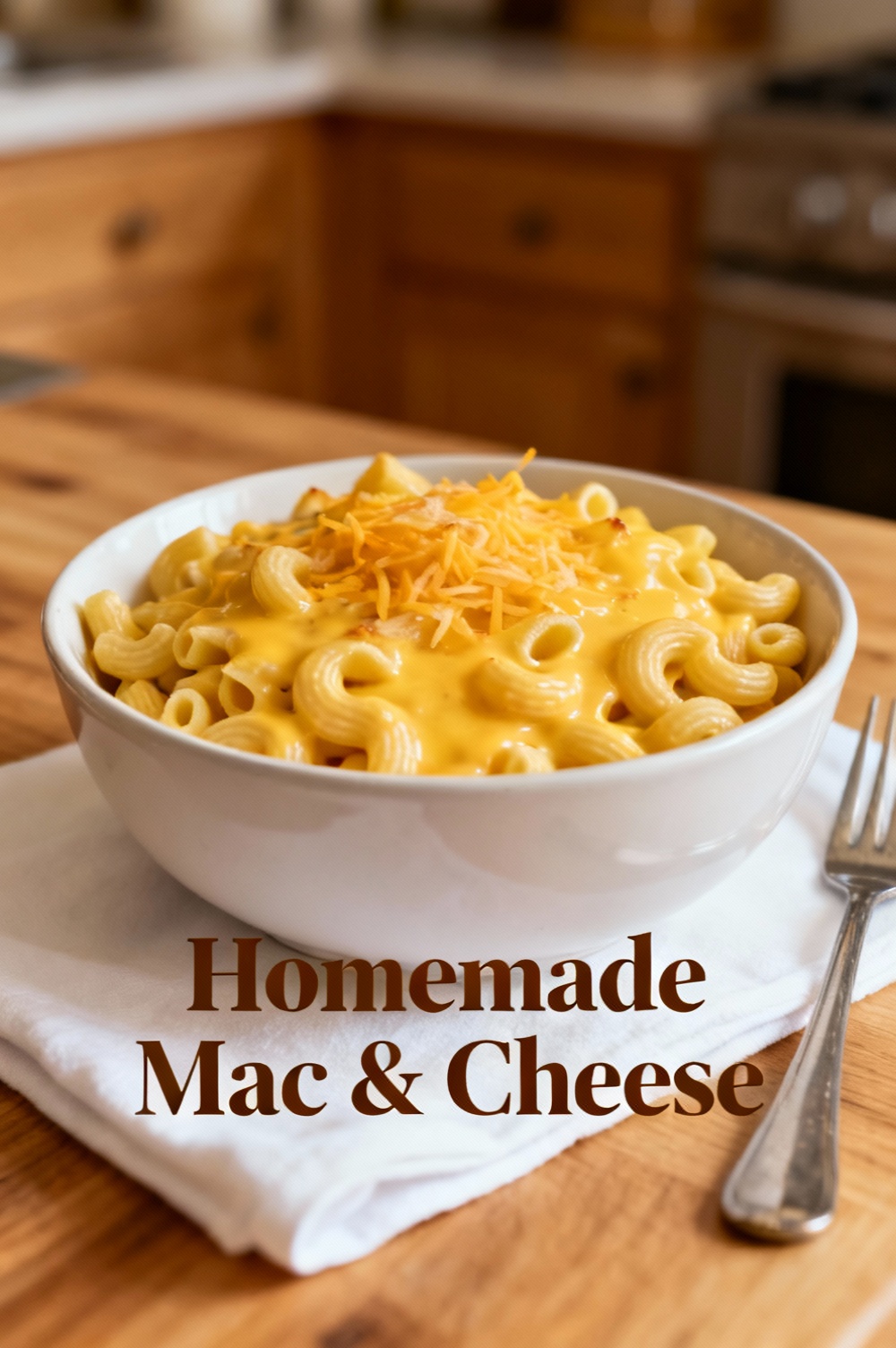
Creamy, cheesy, and comfortingly delicious — a classic baked mac & cheese with a golden breadcrumb topping.
Ingredients
- 1 lb (450 g) elbow macaroni (or your preferred pasta)
- 4 tbsp (56 g) unsalted butter, divided
- 1/4 cup (30 g) all-purpose flour
- 3 cups (720 ml) whole milk
- 1 cup (240 ml) heavy cream
- 2 cups (200 g) sharp cheddar, shredded
- 1 cup (100 g) Gruyère, shredded (or extra cheddar)
- 1/2 cup (50 g) grated Parmesan, divided
- 1 1/2 tsp kosher salt (adjust to taste)
- 1/2 tsp freshly ground black pepper
- 1/2 tsp dry mustard powder
- Pinch of cayenne pepper (optional)
- 1 cup panko breadcrumbs
- 2 tbsp chopped fresh parsley (optional, for garnish)
Instructions
- Preheat the oven to 375°F (190°C). Butter a 9×13-inch (or similar) baking dish.
- Bring a large pot of salted water to a boil. Cook the pasta until just shy of al dente (about 1–2 minutes less than package directions). Drain and set aside.
- In a large saucepan over medium heat, melt 3 tbsp butter. Whisk in the flour and cook, whisking constantly, for 1–2 minutes to form a roux (do not let it brown).
- Gradually whisk in the milk and cream, smoothing out any lumps. Bring to a gentle simmer and cook until the sauce thickens and coats the back of a spoon, about 4–6 minutes.
- Remove the sauce from the heat and stir in the mustard powder, salt, pepper, and cayenne (if using). Add the shredded cheddar, Gruyère, and half of the Parmesan, stirring until melted and smooth.
- Fold the cooked pasta into the cheese sauce until evenly coated. Taste and adjust seasoning if needed.
- Pour the mac & cheese into the prepared baking dish. In a small bowl, combine the panko breadcrumbs with the remaining 1 tbsp melted butter and the remaining Parmesan; sprinkle evenly over the top.
- Bake for 20–25 minutes, or until the top is golden and the sauce is bubbling around the edges. For an extra-crispy top, broil 1–2 minutes—watch closely to prevent burning.
- Remove from the oven and let rest 5 minutes. Sprinkle with chopped parsley, if desired, then serve warm.
Nutrition Information
- Calories: 620 kcal
- Cholesterol: 120 mg
- Sodium: 700 mg
- Carbohydrates: 45 g
- Fiber: 2 g
- Sugar: 8 g
- Protein: 25 g