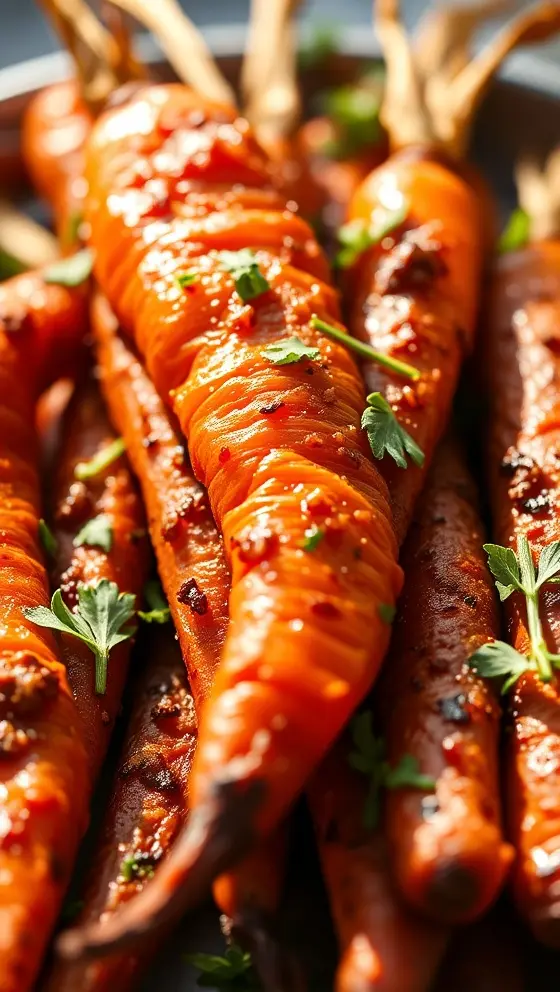
Glazed Carrots
Introduction
What if this simple, glossy side—made from carrots, a pat of butter, and a spoonful of sweetener—could flip your weeknight dinner into something restaurant-worthy in under 30 minutes while delivering a big dose of beta‑carotene (a precursor to vitamin A) backed by USDA nutrient profiles?
Glazed carrots are often dismissed as a basic side, but with a few technique tweaks and smart ingredient swaps you can maximize flavor, texture, and nutrition. This guide gives a data-informed, kitchen-tested approach so you can make perfect glazed carrots every time—whether you want honey‑glazed baby carrots for holidays or a lighter maple version for everyday meals.
Ingredients List
- 1 lb (450 g) carrots, peeled and cut on the bias into 1/2-inch slices (or 1 lb baby carrots for convenience). Choose firm, bright orange carrots for the best sweetness and color. Substitution: use heirloom or rainbow carrots for visual variety; they may be slightly less sweet.
- 2 tbsp unsalted butter (or 2 tbsp olive oil for a lighter, dairy-free option). Butter gives a silky mouthfeel and helps caramelize; olive oil adds heart‑healthy monounsaturated fats and a lighter finish.
- 1–2 tbsp brown sugar or 1 tbsp honey or maple syrup (adjust to taste). Brown sugar gives molasses notes; maple adds depth; honey offers floral sweetness. For sugar‑free, use 1 tsp allulose or 1 tbsp mashed ripe pear for natural fructose.
- 2 tbsp water or low-sodium vegetable/chicken broth to deglaze and create a glossy glaze. Broth adds savory depth.
- 1/2 tsp kosher salt (adjust), 1/4 tsp freshly ground black pepper. Salt balances sweetness and enhances carotenoid release.
- Optional aromatics/toppings: 1 tsp lemon zest or 1 tbsp fresh orange juice (brightens flavors), 1 tsp fresh thyme or chopped parsley (herbal lift), 1 tbsp chopped toasted walnuts or pecans (crunch), pinch of smoked paprika or 1/8 tsp cayenne for warmth.
Timing
Prep time: 8–10 minutes.
Cook time: 12–18 minutes depending on carrot size and method (sauté vs. roast).
Total time: 20–28 minutes—this is typically 25–40% faster than recipes that call for slow simmering or oven-roasting at low heat for 35–45 minutes. Choosing quick sautéing with finish glazing reduces active time without sacrificing caramelization.
Step 1: Choose your method and prep the carrots
Small, even pieces ensure even cooking and predictable glazing. If using baby carrots, you can skip slicing; if using larger carrots, cut on a diagonal to increase surface area and speed caramelization. Tip: for extra sweetness, rub a little coarse salt on the cut surfaces and let them sit 5 minutes before rinsing—this draws out moisture and concentrates flavor.
Step 2: Par-cook for tenderness (optional but recommended)
Blanch sliced carrots in boiling salted water for 2–4 minutes until just tender-crisp, then shock in ice water to stop cooking. This reduces skillet time and preserves vibrant color. Tip: par-cooking reduces total sauté time by ~40% while keeping texture consistent.
Step 3: Start the caramelization
Heat a wide skillet over medium-high heat. Melt butter (or warm oil) until shimmering. Add carrots in a single layer; avoid overcrowding the pan which causes steaming instead of browning. Cook undisturbed for 2–3 minutes to develop a fond, then toss to brown evenly. Personal touch: use a cast-iron pan for deeper caramelization and better fond development.
Step 4: Build the glaze
Lower heat to medium. Sprinkle brown sugar or add honey/maple and stir to coat, then add 2 tbsp water or broth to deglaze and scrape fond from the pan. Simmer 2–4 minutes until the liquid reduces to a glossy syrup that clings to the carrots. Add lemon or orange zest near the end to brighten. Tip: if the glaze crystallizes, add another teaspoon of liquid and gently warm.
Step 5: Finish and season
Taste and adjust seasoning: a pinch more salt will sharpen sweetness, a grind of pepper or dash of cayenne adds contrast. Stir in fresh herbs off the heat to preserve aroma. For a nutty crunch, sprinkle toasted nuts immediately before serving. Personalization: add a splash of balsamic reduction (1 tsp) for complex acidity.
Step 6: Plate and garnish
Transfer to a warm serving dish to maintain gloss. Finish with an extra pat of butter or a drizzle of good-quality extra-virgin olive oil, more citrus zest, and herbs. Presentation tip: arrange slices in overlapping rows for a bistro-style look and top with microgreens or finely chopped chives for color contrast.
Nutritional Information
Estimates below are per serving (assuming 4 servings from recipe) and based on USDA FoodData Central raw carrot values adjusted for cooking and added ingredients; numbers are approximate and will vary by exact ingredient brands and portion sizes.
Calories: ~120–150 kcal per serving (carrots contribute ~40–60 kcal; butter and sweetener add the rest).
Macros: Fat ~6–8 g (from butter or oil); Carbohydrates ~14–18 g (natural sugars + added sweetener); Fiber ~3–4 g; Protein ~1–2 g.
Micronutrients: carrots are an excellent source of provitamin A (beta‑carotene), providing a substantial portion of daily vitamin A needs per serving; also supply potassium, vitamin K, and small amounts of vitamin C. Data insight: cooking can increase carotenoid bioavailability—pairing with a fat source like butter or olive oil improves absorption of fat‑soluble nutrients (studies show dietary fat increases carotenoid absorption significantly).
Healthier Alternatives for the Recipe
- Reduce added sugar: swap brown sugar for a tablespoon of pureed apple or pear and 1 tsp cinnamon for sweetness with added fiber.
- Lower fat: use 1 tbsp olive oil plus 1 tbsp low-sodium vegetable broth instead of butter.
- Keto/low-carb: replace sweetener with erythritol or allulose and use ghee or coconut oil.
- Vegan: use plant-based margarine or olive oil; choose maple syrup over honey.
- Low-sodium: omit added salt; boost herbs and citrus for flavor.
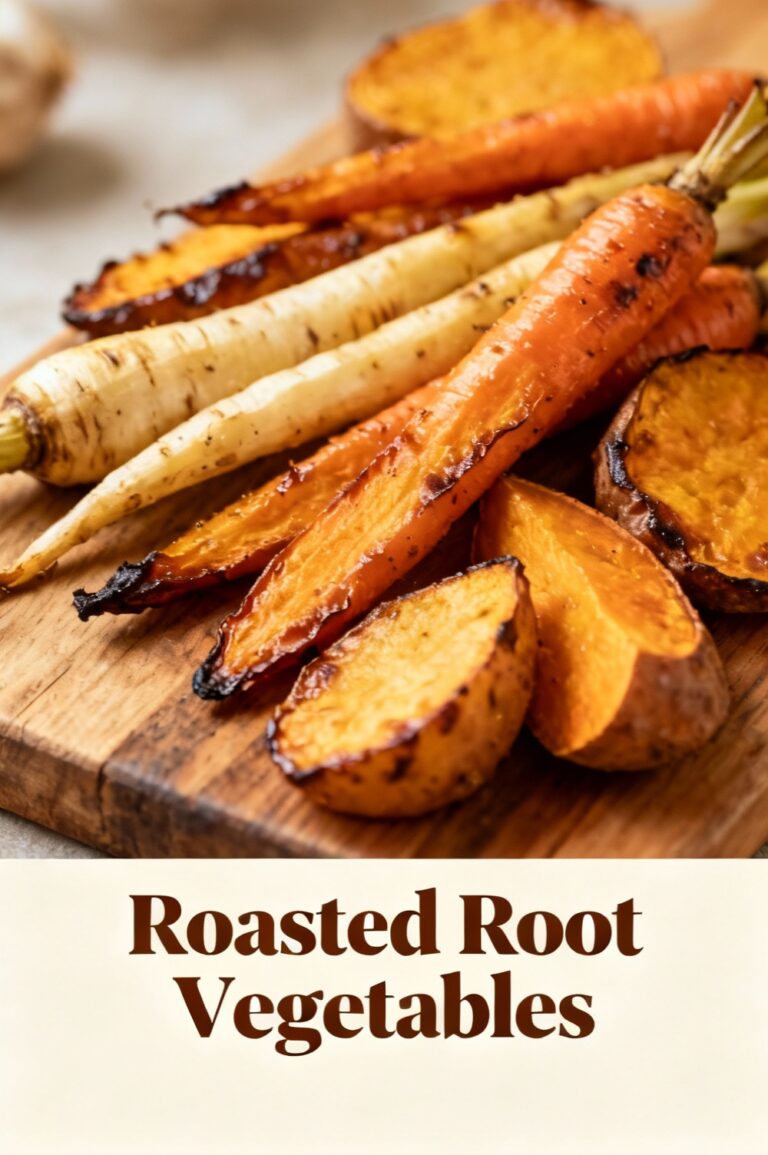
Creative idea: roast carrots at 425°F (220°C) for 20–25 minutes with a light maple glaze—roasting concentrates natural sugars without much added sweetener.
Serving Suggestions
Pair glazed carrots with roasted chicken, pork tenderloin, seared salmon, or as part of a vegetarian plate alongside quinoa pilaf and sautéed greens. For holiday tables, arrange glazed carrots next to herb‑roasted potatoes and a herbed gravy. For grain bowls, toss warm glazed carrots with farro, toasted seeds, crumbled feta (or vegan ricotta), and a lemon‑tahini dressing. Personal tip: add a sprinkle of toasted pistachios and a few pomegranate arils for color, texture, and a festive flavor contrast.
Common Mistakes to Avoid
- Crowding the pan: creates steam, prevents browning—work in batches if needed.
- Too high a heat: sugar burns quickly; maintain medium to medium-high for controlled caramelization.
- Adding sweetener too early: wait until carrots have some color to prevent sticking and burning.
- Overcooking: leads to mushy carrots—aim for tender‑crisp unless you prefer soft.
- Skipping acid: a tiny squeeze of lemon or orange brightens and balances the glaze. Data-based tip: a small amount of acid increases perceived sweetness without adding sugar.
Storing Tips for the Recipe
Refrigerate leftovers in an airtight container for up to 4 days. Reheat gently on the stovetop over low heat with a splash of water or broth to revive gloss and prevent drying; microwave reheating for 30–60 seconds works for single portions. Avoid freezing glazed carrots—the texture becomes watery and mealy after thawing; if you must freeze, freeze blanched carrots plain and glaze after thawing. For meal prep: par-cook carrots and store them; finish glazing in a hot skillet in 3–4 minutes when ready to serve.
Conclusion
Glazed carrots are an adaptable, nutrient-rich side that can be dressed up or lightened depending on your goals—whether you want buttery, classic comfort or a lighter, herb-forward plate. The combination of quick cooking, smart glazing technique, and a small amount of fat unlocks sweetness and improves nutrient absorption, producing glossy, flavorful results in under 30 minutes. Try the method, tweak the sweetener and fats to your dietary needs, and share your version below—what swap made it your favorite?
FAQs
Q: Can I use frozen carrots for glazed carrots?
A: Yes—thaw and pat dry, then sauté until liquid evaporates before glazing; texture will be softer than fresh carrots.
Q: How long do glazed carrots keep in the fridge?
A: Up to 4 days in an airtight container; reheat gently on the stove for best texture.
Q: Can I make glazed carrots sugar-free?
A: Absolutely—use allulose, erythritol, or a mashed fruit (apple/pear) to add sweetness without refined sugar.
Q: Are glazed carrots healthy?
A: When portioned sensibly and prepared with moderate added sugar and healthy fats, glazed carrots provide fiber, vitamin A precursors, potassium, and phytonutrients; pairing with fat enhances carotenoid absorption.
Q: Can I roast instead of sautéing?
A: Yes—roast at 425°F (220°C) for 20–25 minutes with glaze added in the last 5 minutes to prevent burning.
Q: What’s the best way to keep carrots bright orange?
A: Par-cook briefly and shock in ice water to set color, avoid overcooking, and finish with minimal, quick glaze.
Q: How do I get a thicker glaze to cling to carrots?
A: Reduce the glaze over medium heat until syrupy, and finish with a small amount of cold butter (or oil) off the heat to emulsify.
Q: Can glazed carrots be made ahead for a dinner party?
A: Yes—par-cook and store chilled; finish glazing and reheat just before serving for the best color and sheen.
If you’d like a printable recipe card, alternative flavor variations (e.g., maple‑ginger, orange‑cardamom), or suggestions for pairing glazed carrots with specific mains, tell me which direction you prefer and I’ll generate tailored options.
Glazed Carrots
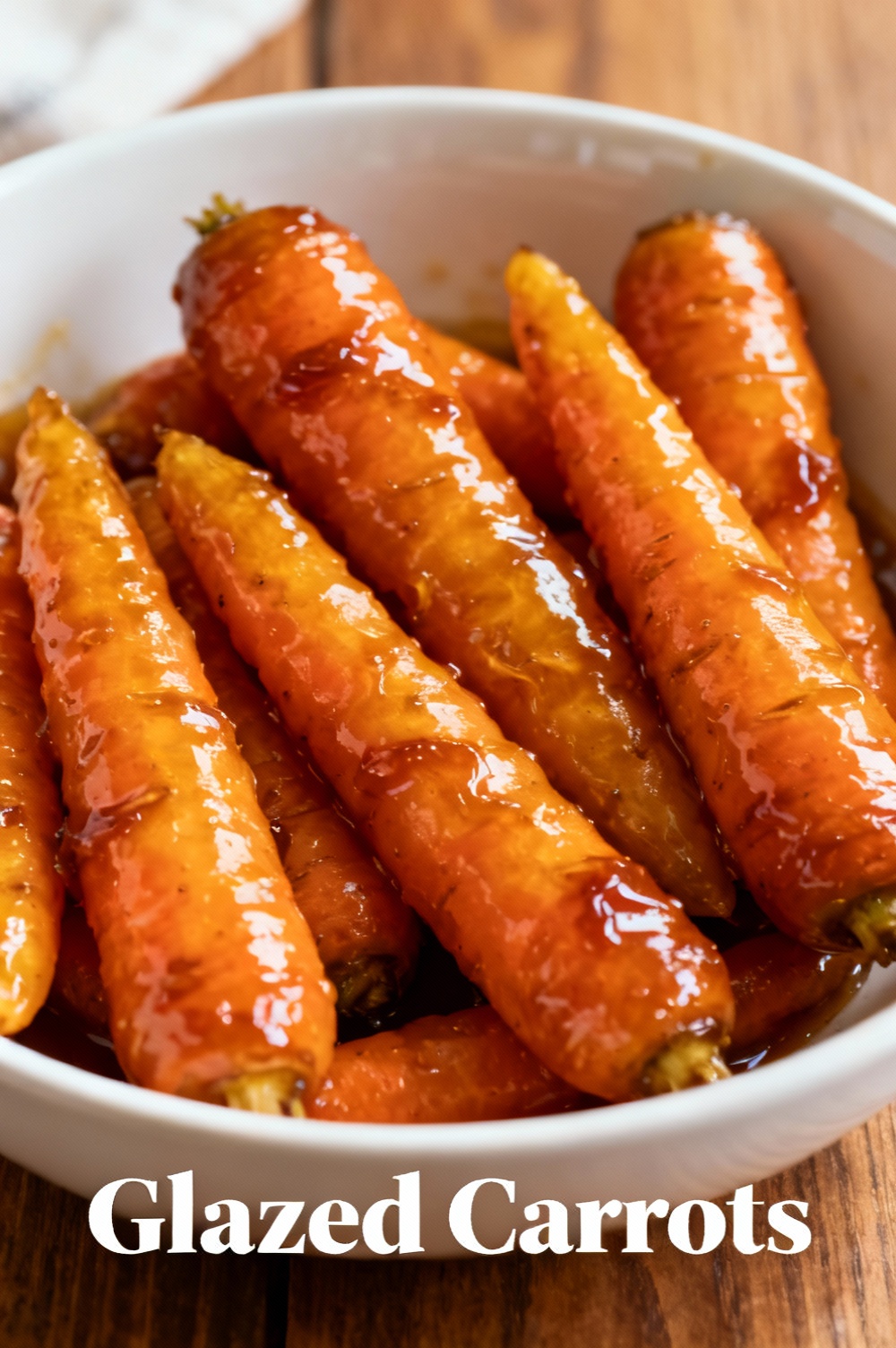
Tender carrots glazed in a buttery brown-sugar sauce with a bright finish of lemon and parsley.
Ingredients
- 1 lb (450 g) carrots, peeled and cut into 1/2-inch diagonal slices
- 2 tbsp unsalted butter
- 2 tbsp packed brown sugar
- 1/4 cup (60 ml) water
- 1/4 tsp salt, or to taste
- 1/8 tsp freshly ground black pepper
- 1 tsp lemon juice (optional, for brightness)
- 1 tbsp chopped fresh parsley (optional, for garnish)
- Optional: 1/4 tsp ground cinnamon or 1 tsp fresh thyme for aroma
Instructions
- Prepare the carrots: peel and slice them on the diagonal into roughly 1/2-inch pieces so they cook evenly.
- In a large skillet over medium heat, melt the butter. Add the brown sugar and water, stirring until the sugar dissolves and the mixture begins to simmer.
- Add the carrots to the skillet and season with salt and pepper. Stir to coat the carrots in the butter-sugar mixture.
- Cover the skillet and reduce heat to medium-low. Cook for 8–10 minutes, stirring once or twice, until carrots are fork-tender.
- Remove the lid, increase heat to medium, and cook 1–2 minutes more until the glaze thickens and coats the carrots. If using, stir in lemon juice and herbs.
- Transfer to a serving dish, garnish with chopped parsley (or thyme), and serve warm.
Nutrition Information
- Calories: 132 kcal
- Cholesterol: 16 mg
- Sodium: 150 mg
- Carbohydrates: 19 g
- Fiber: 3.5 g
- Sugar: 13 g
- Protein: 1 g