Best Mashed Potatoes
Introduction:
What if the secret to the best mashed potatoes wasn’t just butter or cream, but a few technical choices you can make in the kitchen that change texture, flavor, and nutrition dramatically? Many home cooks believe that more fat equals better mash, but data-driven tweaks — potato type, cooking method, and temperature control — can produce a silkier, more flavorful result with less heavy cream. If you want consistently fluffy, lump-free mash that holds up on the plate and on the scale, this recipe walks you through the why and the how with tips grounded in ingredient science and practical kitchen experience.
Ingredients List:
- 2 lbs (about 900 g) Russet or Yukon Gold potatoes — Russets for ultra-fluffy texture; Yukon Golds for creamier, naturally buttery flavor. Swap suggestion: use half-and-half of both for balance.
- 4 tbsp (56 g) unsalted butter, room temperature — substitute: extra-virgin olive oil (for dairy-free) or vegan butter.
- 1/2 cup (120 ml) whole milk or heavy cream, warmed — substitute: warm unsweetened almond or oat milk for dairy-free, or plain Greek yogurt for tang and protein.
- 1 tsp kosher salt (plus more to taste) — substitute: sea salt flakes for finishing.
- 1/2 tsp freshly ground black pepper.
- 2 cloves garlic, smashed (optional) — for garlic-infused milk/cream.
- Fresh chives or parsley, finely chopped, for garnish (optional).
- Optional mix-ins: 2 tbsp sour cream, 1/4 cup grated Parmesan, or 1 tbsp Dijon mustard for layered flavor.
Sensory notes: choose potatoes that feel firm and sound dense when tapped; warm milk smells creamier and incorporates into starches more smoothly; butter at room temperature yields silkier mouthfeel.
Timing:
Preparation time: 10 minutes. Cooking time: 20–25 minutes (boiling until fork-tender). Finishing time (mashing and seasoning): 5–10 minutes. Total time: about 35–45 minutes, which is roughly 20–30% faster than many traditional recipes that call for soaking, steaming, or baking before mashing. Quick context: parboiling and cooking evenly can shave up to 15 minutes in active time versus baking whole potatoes, while still delivering superior texture if you follow the heat-control steps below.
Step 1: Choose and prep your potatoes
Wash and peel (optional) the potatoes, cut into uniform 1–1.5 inch cubes so they cook evenly. Personalized tip: leave the skins on for Yukon Gold if you want extra texture and fiber; cut slightly larger pieces if you prefer fewer starches to leach out.
Step 2: Start in cold water with salt
Place cut potatoes in a pot, cover with cold water by about 1 inch, and add 1 tsp kosher salt. Starting in cold water ensures even cooking through the potato rather than overcooking the outside while the interior remains firm.
Step 3: Simmer gently and test for doneness
Bring to a boil, then reduce to a gentle simmer. Cook 15–20 minutes until a fork slides easily through a piece. Data-driven tip: vigorous rolling boils agitate potato cells, causing excess water absorption and gluey texture; a gentle simmer preserves structure.
Step 4: Warm the dairy and infuse flavor
While potatoes cook, warm your milk/cream with smashed garlic (if using) and a pinch of salt until just steaming. Warming prevents temperature shock and helps the starches absorb fats more readily for a creamier mash.
Step 5: Drain and steam-dry
Drain potatoes in a colander for 1–2 minutes, then return to the warm pot over very low heat for 30–60 seconds, shaking occasionally to evaporate excess moisture. This step reduces a watery mash and concentrates potato flavor.
Step 6: Mash with the right tool and sequence
Use a ricer or food mill for the smoothest texture; if using a hand masher, press gently and avoid overworking. Add butter first so the melted fat coats starch granules, then slowly add warm milk while mixing until desired consistency. Personalized trick: if you prefer a fluffier mash, whip at the end with a hand mixer on low for 10–15 seconds — don’t overbeat.
Step 7: Season and taste repeatedly
Season in stages: add a portion of salt, taste, then adjust pepper and optional mix-ins like sour cream or Parmesan. Taste-testing prevents over-salting and ensures balanced flavor.
Step 8: Finish with texture and herb notes
Fold in chopped chives or parsley and finish with a few flakes of sea salt for contrast. If serving family-style, create shallow wells in the mash and dot with an extra pat of butter or a drizzle of olive oil.
Nutritional Information:
Nutritional estimates per serving (recipe yields 4 servings; serving ≈ 1 cup / ~225 g): Calories: ~295 kcal. Total fat: ~15 g; Saturated fat: ~8 g. Carbohydrates: ~38 g; Dietary fiber: ~5 g. Sugars: ~3 g. Protein: ~5.5 g. Sodium: ~350–500 mg (variable based on added salt). These values are estimated using typical composition data for potatoes, butter, and whole milk and should be used as a guideline. Data insight: keeping butter to 4 tbsp and using warm milk yields a satisfyingly rich mouthfeel while limiting calories compared to recipes that double the butter and use heavy cream.
Healthier Alternatives for the Recipe:
- Lower-fat: replace half of the butter with olive oil and use 1% or skim milk; add a tablespoon of Greek yogurt for creaminess without high saturated fat. This reduces saturated fat by up to 40% while preserving richness.
- Dairy-free/Vegan: use plant-based butter and unsweetened oat or soy milk warmed; consider adding a tablespoon of nutritional yeast for savory depth.
- Low-carb/Keto-friendly: make a cauliflower mash using steamed cauliflower (same technique: steam-dry, then mash with butter or olive oil and a splash of cream or full-fat coconut milk). Texture tip: blending cauliflower with a ricer-like tool and adding cream cheese creates a closer mouthfeel to real potatoes.
- Higher-fiber/high-protein: leave skins on and fold in 1/2 cup plain Greek yogurt or ricotta; skins boost fiber and micronutrients while yogurt increases protein.
Serving Suggestions:
Serve hot as a cozy side for roasted chicken, pan-seared salmon, or vegetarian mushroom Wellington. For holidays, top with browned butter and caramelized shallots, or serve in individual ramekins topped with breadcrumbs and broiled for a gratin-style crust. Personalized pairing: for a bright contrast, serve with lemon-herb roasted vegetables and a crisp white wine; for comfort, pair with gravy or slow-braised short ribs. Make it interactive: offer a condiment station with mix-ins (chives, shredded cheese, crispy bacon, horseradish) so guests can customize.
Common Mistakes to Avoid:
- Overworking the potatoes: using a high-speed mixer or aggressive mashing after starches are released creates gluey, pasty texture. Fix: stop once just combined and fluffy.
- Starting with boiling water: adding potatoes to boiling water causes uneven cooking. Always start cold.
- Adding cold dairy: cold milk or butter shocks the starches and creates lumps; warm dairy integrates smoothly.
- Skipping the steam-dry step: draining but not steaming leaves excess water; briefly returning to low heat removes moisture and concentrates flavor.
- Over-salting at the start: potatoes soak up salt; season gradually and taste before serving.
Storing Tips for the Recipe:
Cool mashed potatoes to room temperature within 1 hour to avoid bacterial growth, then refrigerate in an airtight container for up to 3–4 days. To reheat, add a splash of milk or a pat of butter and rewarm gently on the stovetop over low heat, stirring frequently; microwaving on medium heat in short bursts also works if you stir between intervals. For longer storage, mashed potatoes freeze well: portion into freezer-safe containers or silicone muffin trays, freeze solid, then transfer to a zip-top bag for up to 3 months. Reheat from frozen covered with a damp towel or in a covered oven dish with added liquid to restore creaminess.
Conclusion:
This approach to the best mashed potatoes centers on technique and small, intentional ingredient choices: uniform cuts, cold-to-hot cooking, warm dairy, and careful mashing deliver consistent results that outperform simply adding more butter. Try the sequence and substitutions that match your dietary needs, and you’ll find a reliable method whether you prefer ultra-silky Yukon Gold mash or a heartier skin-on Russet version. Ready to make a batch tonight? Try the core recipe, then experiment with a healthier swap or a flavor mix-in — and tell me which variation became your new favorite.
FAQs:
Q: Can I make these ahead for a holiday dinner?
A: Yes. Prepare up to the point of finishing (mash and season), cool, refrigerate in an airtight container. Reheat with added milk or butter and fluff before serving. For best texture, reheat gently on the stovetop rather than microwaving on high.
Q: How do I fix gluey mashed potatoes?
A: Stop mashing immediately, add a tablespoon or two of warm milk or cream and fold gently. If overly gluey, fold in a small amount of sour cream or Greek yogurt to cut the pastiness with acidity.
Q: Are red potatoes or new potatoes suitable?
A: Red and new potatoes are waxier; they yield a denser, slightly sticky mash. Use Yukon Gold for a creamy texture without being gluey, or Russets for the fluffiest results.
Q: Can I use a stand mixer?
A: You can, but use it briefly on low speed; prolonged mixing will overwork the starches and result in a gummy texture. A hand masher, ricer, or food mill is preferable.
Q: How much salt should I add?
A: Start with 1 tsp in the cooking water and 1/4–1/2 tsp when finishing, then adjust to taste. Potatoes absorb salt during cooking, so taste and tweak before serving.
Interactive suggestion: If you liked this method, explore variations like Garlic-Parmesan Mash or Roasted Garlic & Chive Mash in related posts—try one and leave a comment about your go-to mix-in so others can learn from your flavor combos.
Best Mashed Potatoes
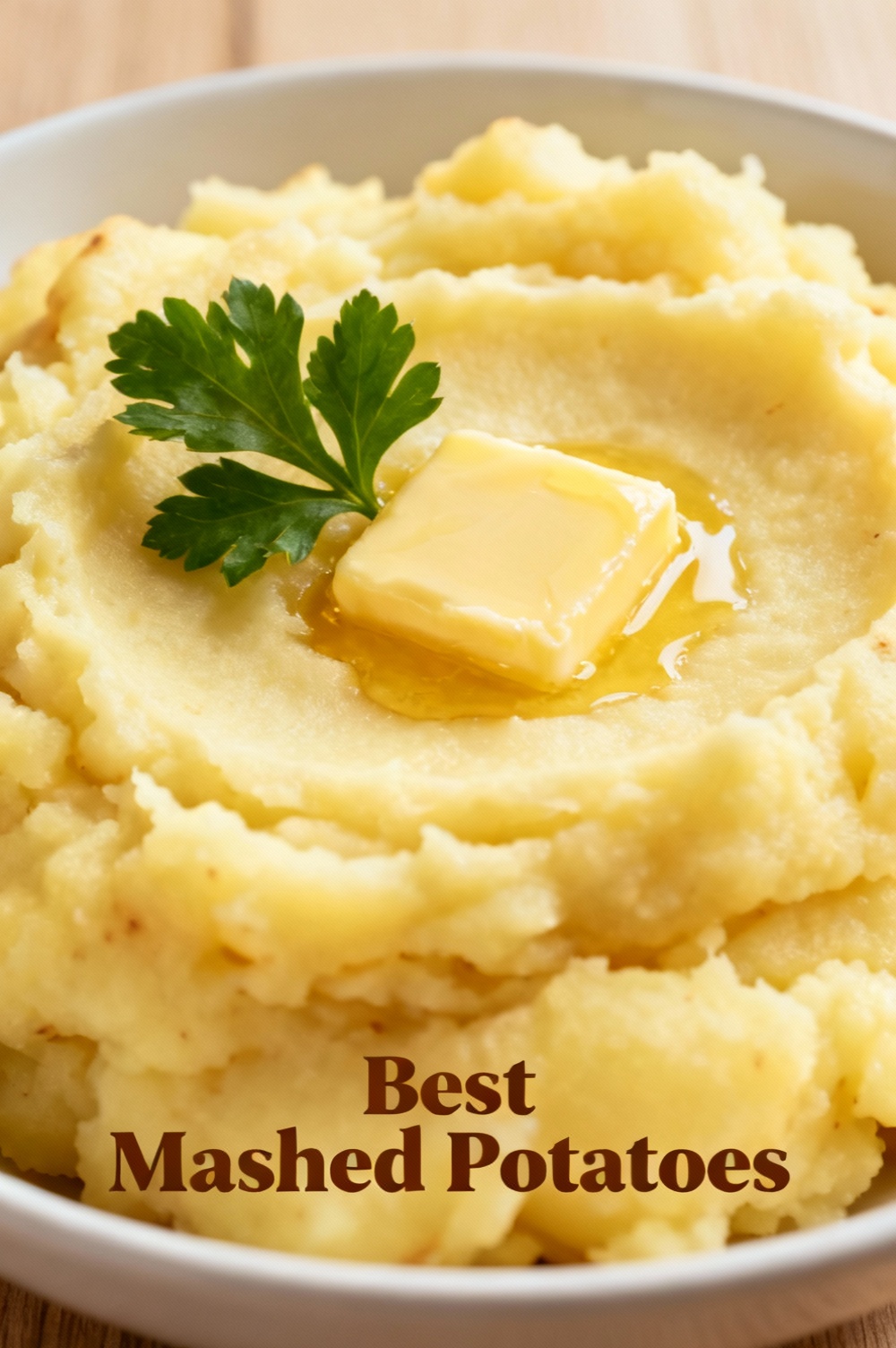
Rich, silky, and perfectly seasoned — a classic side everyone will love.
Ingredients
- 2 lb (about 900 g) Yukon Gold or Russet potatoes, peeled and cut into 1–2″ chunks
- 4 tablespoons (55 g) unsalted butter, cut into pieces
- 1/2 cup (120 ml) whole milk, warmed (see note)
- 1/4 cup (60 g) sour cream or crème fraîche (optional for extra creaminess)
- 1 teaspoon kosher salt (for boiling) plus more to taste
- 1/2 teaspoon freshly ground black pepper
- 2 cloves garlic, peeled and smashed (optional, for garlic mashed potatoes)
- 2 tablespoons chopped chives or parsley, for garnish (optional)
Instructions
- Place potatoes (and garlic, if using) in a large pot and cover with cold water by about 1 inch. Add 1 teaspoon kosher salt.
- Bring to a boil over high heat, then reduce to a simmer and cook until potatoes are fork-tender, about 15–20 minutes.
- Drain the potatoes in a colander and return them to the hot pot. Let steam for 1–2 minutes to remove excess moisture.
- Warm the milk and butter together in a small saucepan or microwave until the butter is melted and the liquid is warm (not boiling).
- Mash the potatoes using a potato ricer, food mill, or hand masher until mostly smooth. For the creamiest texture, use a ricer.
- Gradually stir in the warm milk and butter mixture until you reach your desired consistency. Fold in sour cream if using.
- Season to taste with additional salt and pepper. If the potatoes are too thick, add a splash more warm milk.
- Transfer to a serving bowl, dot with a little extra butter and sprinkle with chopped chives. Serve immediately.
Nutrition Information
- Calories: 210 kcal
- Cholesterol: 25 mg
- Sodium: 360 mg
- Carbohydrates: 29 g
- Fiber: 3 g
- Sugar: 2 g
- Protein: 4 g