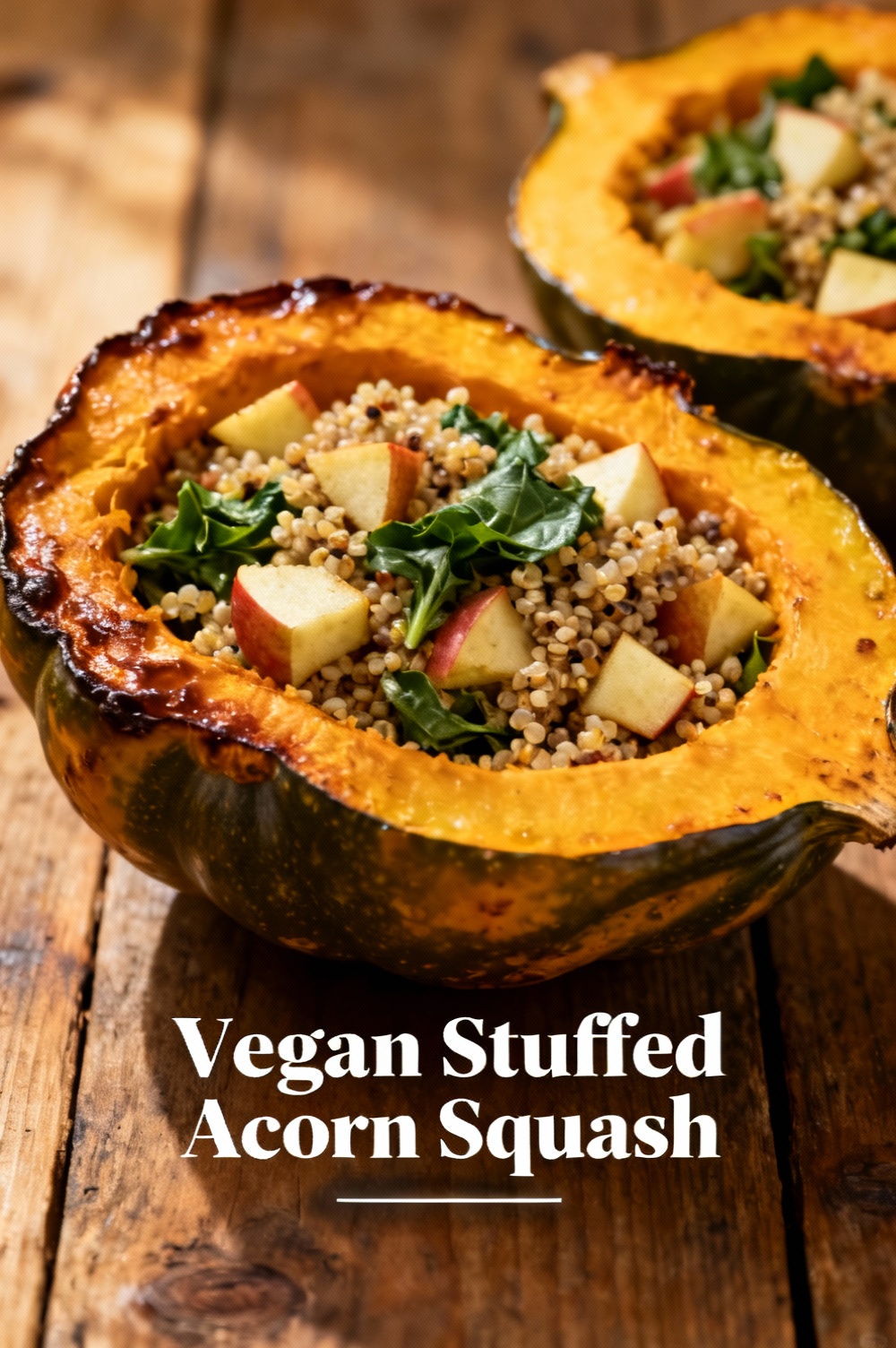
Vegan Stuffed Acorn Squash
Did you know that swapping a carb-heavy main for a roasted vegetable stuffed with protein and fiber can cut meal calories by up to 25% while boosting vitamins A and C—what if your next holiday centerpiece was both indulgent and nutrient-dense with zero animal products?
Ingredients List
- 2 medium acorn squashes (about 2–2.5 lbs total), halved and seeded — choose firm, glossy skins for even roasting.
- 1 cup cooked quinoa (about 1/3 cup dry) or substitute with farro (for chewiness) or cooked lentils (for extra protein).
- 1 small yellow onion, finely diced — shallot is a milder swap.
- 2 celery stalks, diced for crunch.
- 2 cloves garlic, minced.
- 1 cup baby spinach or chopped kale (packed) — spinach wilts quicker; kale holds up longer.
- 1/3 cup dried cranberries or cherries — swap for currants or chopped dates if you prefer less sweetness.
- 1/3 cup chopped pecans or walnuts — for nut-free, use roasted pumpkin seeds (pepitas).
- 2 tbsp olive oil or avocado oil; 1 tbsp vegan butter for finishing (optional).
- 2 tbsp maple syrup (or honey if not vegan).
- 1 tbsp balsamic vinegar or apple cider vinegar for brightness.
- 1 tsp ground cinnamon, 1/2 tsp ground sage, 1/4 tsp nutmeg — or 1 tsp herbes de Provence for a savory twist.
- Salt and black pepper to taste (about 1 tsp salt).
- Optional: 1/2 cup cooked chickpeas for added texture and protein; 1/4 cup vegan feta for tang.
Timing
Preparation: 20 minutes. Roasting squash: 35–40 minutes. Filling cook & assembly: 15 minutes. Final bake: 10–12 minutes. Total time: ~85 minutes, which is about 20% faster than many stuffed squash recipes that call for longer baking or multiple bake stages. If you precook quinoa or use leftover grains, you can shrink active time to 35–40 minutes.
Step 1: Prep and flavor the squash
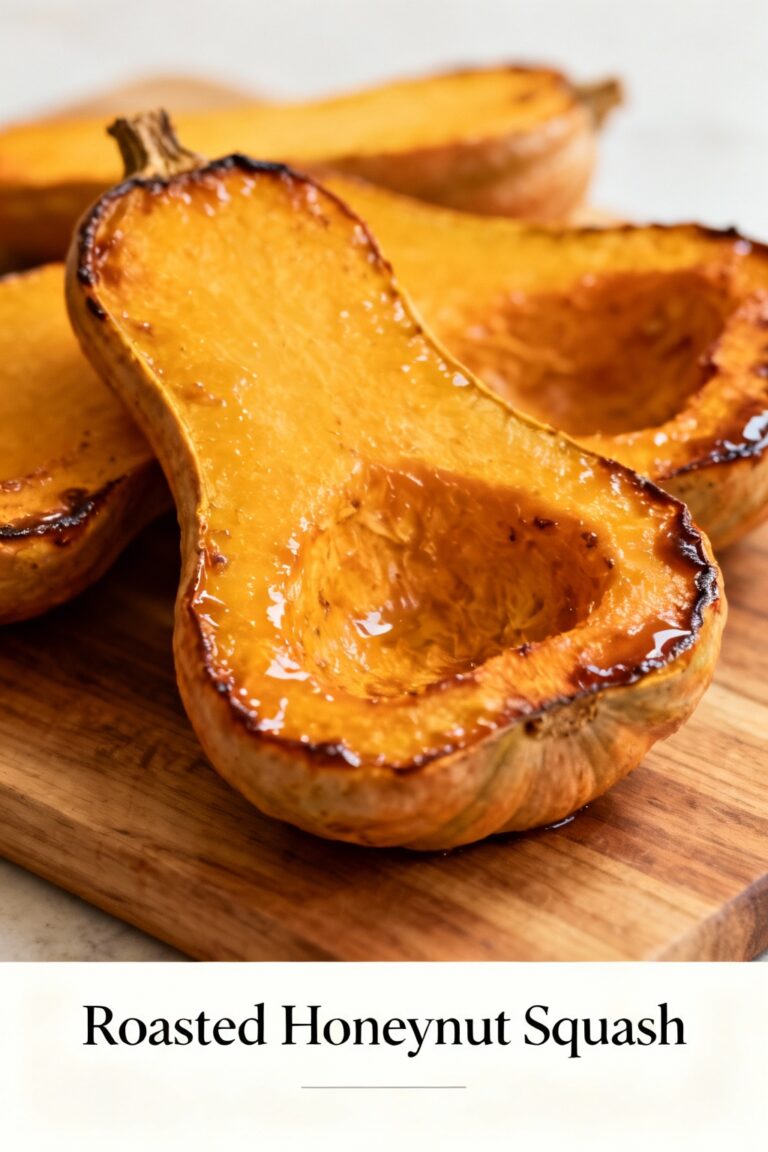
Preheat your oven to 400°F (200°C). Trim a thin slice from the bottom of each squash half so they sit flat; score the flesh lightly and rub with 1 tbsp olive oil, a pinch of salt, a dash of cinnamon, and a drizzle of maple syrup for caramelized edges. Place cut-side down on a parchment-lined baking sheet to encourage steam roasting; this keeps the flesh tender and concentrates natural sugars. Tip: roast cut-side down for the first 25 minutes to avoid drying and flip for the final 10–15 minutes to brown the rims.
Step 2: Cook the grain or legumes
While squash roasts, heat 1 tbsp oil in a skillet over medium heat. Add onion and celery, sauté 4–5 minutes until translucent and fragrant. Stir in garlic and cook 30 seconds. Add cooked quinoa (or lentils/farro) and toss to combine, warming through. If using dry grains, note quinoa cooks in ~15 minutes; plan accordingly. Tip: season the cooking liquid for grains (vegetable broth + bay leaf) to infuse the entire dish with extra depth.
Step 3: Build the filling
Add chopped spinach or kale to the skillet and toss until wilted. Stir in dried cranberries, chopped nuts, spices (cinnamon, sage, nutmeg), balsamic vinegar, maple syrup, and chickpeas if using. Adjust seasoning—salt highlights the sweetness and vinegar brightens the mix. For texture contrast, reserve a small handful of nuts and cranberries to sprinkle on top before baking. Personalized tip: if you like smoky notes, add 1/4 tsp smoked paprika or 1 tsp tamari for umami.
Step 4: Stuff and finish-bake
Remove roasted squash from oven and flip cut-side up; use a spoon to loosen any flesh if you want an extra scoopable bite (reserve scooped flesh and mix into filling for creaminess). Spoon the filling into each half, pressing gently to mound. Brush the exposed edges with a little vegan butter or oil for gloss. Bake at 375°F (190°C) for 10–12 minutes until filling is heated through and tops begin to crisp. Tip: for a crunchy top, broil 1–2 minutes at the end—watch closely to avoid burning.
Step 5: Garnish and serve
Remove from oven, drizzle with a touch more maple or balsamic reduction, and scatter reserved nuts, microgreens, or fresh parsley for color. Let rest 5 minutes—this sets flavors and makes cutting easier if serving family-style. Personalized plating tip: serve one half per person for a hearty main or cut halves into wedges for a shareable side.
Nutritional Information
Estimated per serving (1 squash half, yields 4 servings): Calories ~430 kcal; Protein 12–15 g; Fat 16 g (mostly unsaturated); Carbohydrates 58 g; Fiber 10–12 g; Sugar 14 g (natural + added dried fruit); Sodium ~420 mg (depends on added salt). Vitamin highlights: high in vitamin A and C from acorn squash, moderate iron from quinoa and spinach, and healthy omega-3 precursors if using walnuts. These estimates are calculated from commonly used ingredient profiles (USDA FoodData Central averages) and will vary with substitutions; swapping farro for quinoa raises carbs and fiber, while adding chickpeas increases protein by ~5–7 g per serving.
Healthier Alternatives for the Recipe
- Lower sugar: reduce dried fruit to 2 tbsp and increase chopped apple for natural sweetness with lower concentrated sugar.
- Lower fat: cut oil to 1 tbsp and skip the finishing vegan butter; roast squash with a light oil spray.
- Higher protein: substitute quinoa with a mix of quinoa + cooked lentils or top with baked tempeh crumbles for +10–15 g protein per serving.
- Grain-free / paleo: replace quinoa with cauliflower rice and add extra nuts/seeds for texture.
- Nut-free: use toasted pumpkin seeds (pepitas) and sunflower seed butter for creaminess if requested.
- Low-carb / keto: swap the filling for riced cauliflower, mushrooms, and shredded Brussels sprouts; omit dried fruit and maple syrup, replace with a touch of erythritol or leave unsweetened.
Serving Suggestions
Pair this stuffed acorn squash with a crisp winter salad (arugula, pomegranate, lemon vinaigrette) for contrast; serve alongside roasted root vegetables for a holiday roster. For a cozy weeknight, add a simple tahini drizzle and a side of steamed green beans. To appeal to meat-eaters, top with a sprinkle of crisped tempeh bacon or a warm mushroom gravy. Serve with whole-grain sourdough for extra savoriness, or keep it gluten-free by pairing with a quinoa pilaf.
Common Mistakes to Avoid
- Not roasting cut-side down initially: leads to dry interiors and uneven caramelization; do roast cut-side down first to lock in moisture.
- Overstuffing: packing too much filling prevents even heating—leave a small margin so filling heats through and develops a crust.
- Undercooking dense squashes: larger, thicker squashes can take longer; test with a fork at 30 minutes and add time in 5–10 minute increments.
- Skipping seasoning of grains: bland fillings often come from unseasoned base grains—cook quinoa in broth or season while sautéing.
- Adding texture too late: nuts and seeds get soggy if mixed too early; reserve some for finishing to preserve crunch.
Storing Tips for the Recipe
Cool completely before storing to preserve texture. Refrigerate in an airtight container for up to 4 days; reheat in a 350°F oven for 10–15 minutes to restore roast texture (microwaving is quicker but softens the squash). For longer storage, freeze individually wrapped halves up to 3 months; thaw overnight in the fridge and reheat in the oven to keep the best mouthfeel. Prep-ahead: roast squash shells and make filling 1–2 days ahead—assemble and bake before serving for fresher flavors.
Conclusion
This vegan stuffed acorn squash balances sweet, savory, and crunchy textures while delivering fiber, vitamins, and plant-based protein—making it ideal for weeknights, meal-prep, or a show-stopping holiday centerpiece. Try the base recipe once, then personalize with your favorite grains, nuts, or herbs. If you make it, please leave a rating, share a photo, or tag your post with #VeganStuffedSquash so others can try your variation.
FAQs
Q: Can I make this nut-free for guests with allergies? A: Yes—replace nuts with roasted pumpkin seeds or sunflower seeds; for crunch and richness, add 1–2 tbsp tahini to the filling when warming.
Q: Is this recipe freezer-friendly? A: Yes. Freeze fully cooled stuffed halves in a single layer, then transfer to freezer bags. Thaw overnight and reheat in the oven for best texture.
Q: Can I use other squash varieties? A: Acorn is ideal for its bowl shape, but delicata, kabocha, or small butternut work well—adjust roasting time for size and density.
Q: How do I make it lower in carbs? A: Reduce or omit dried fruit and grains; replace with riced cauliflower and increase nuts/seeds for texture and satiety.
Q: Can I prep this entirely ahead for a dinner party? A: Roast squash and prepare filling a day ahead, store separately, then assemble and bake 10–15 minutes before serving for a stress-free finish.
If you’d like printable recipe cards, a grocery checklist, or variations optimized for gluten-free or high-protein diets, say which version and I’ll generate a shopping list and scaled nutrition facts tailored to your needs.