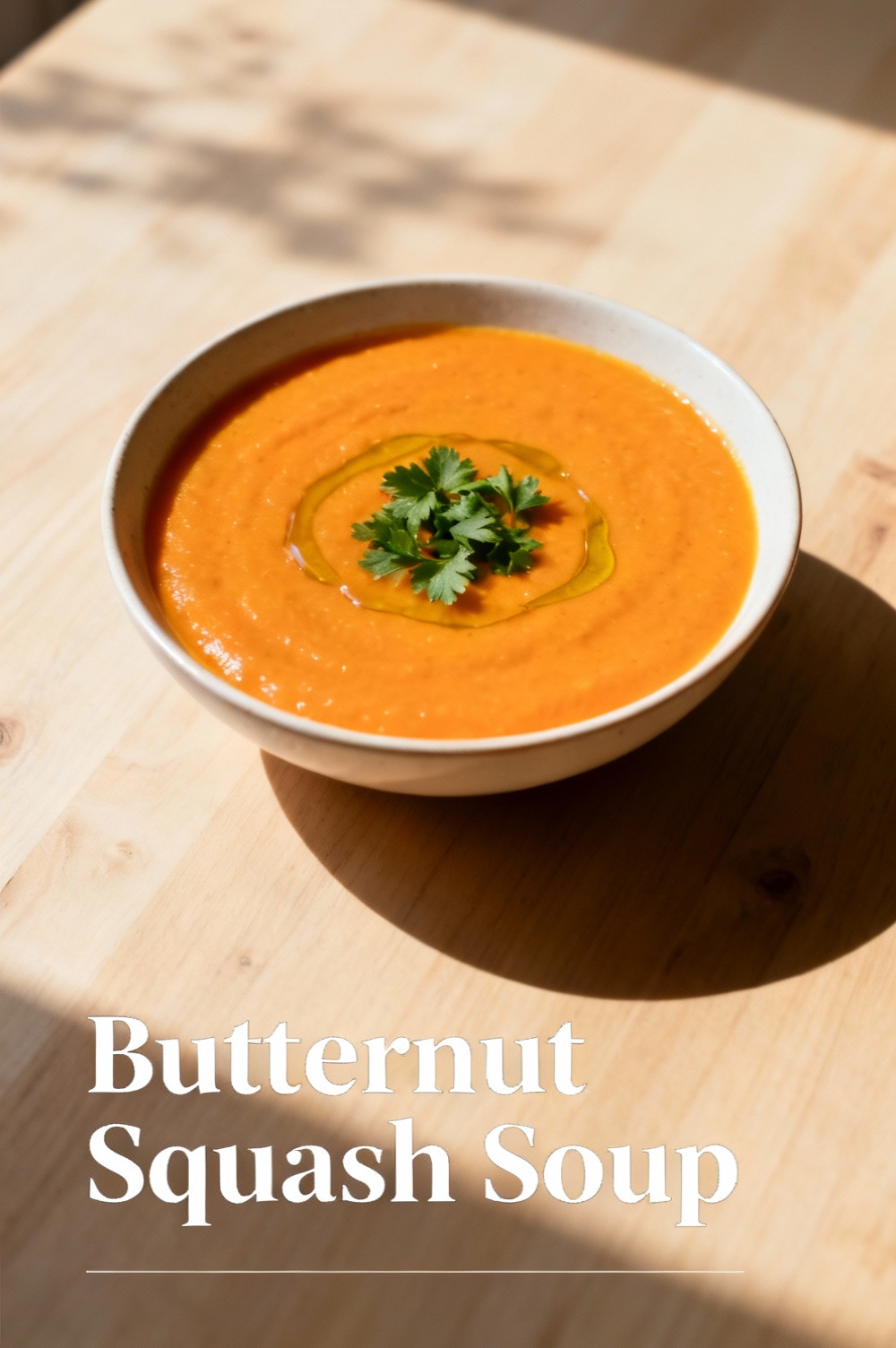
Butternut Squash Soup
Introduction
Have you ever wondered why a simple bowl of butternut squash soup can feel more comforting than a full meal and yet deliver a surprising nutrient punch—could one serving cover nearly half your daily vitamin A needs? This recipe challenges the idea that creamy soups must be heavy or time-consuming by delivering bright flavor, silky texture, and evidence-based nutrition in one pot.
Ingredients List
- 1 medium butternut squash (about 2–3 lb / 900–1,400 g), peeled, seeded, and cubed (substitute: 3 cups canned pumpkin or 4 cups roasted sweet potato for similar sweetness and texture). Use sensory language: look for deep orange flesh—this signals higher beta-carotene and sweeter flavor.
- 1 large yellow onion, diced (substitute: 2 shallots for a milder, sweeter profile).
- 2 cloves garlic, smashed and minced (substitute: 1 tsp garlic powder in a pinch).
- 1 large carrot, peeled and chopped (optional; adds sweetness and fiber).
- 1 tbsp olive oil or 2 tbsp unsalted butter (substitute: avocado oil for higher smoke point; coconut oil for a subtle tropical note and vegan richness).
- 4 cups low-sodium vegetable or chicken stock (substitute: water + 1 tsp bouillon; for richer flavor, use bone broth).
- 1/2 cup unsweetened coconut milk or 1/2 cup heavy cream (substitute: Greek yogurt for tang and protein; omit for a lighter soup).
- 1 tsp ground cumin, 1/4 tsp ground nutmeg, pinch of cayenne (adjust to taste). Use freshly ground spices for brighter aroma.
- 1–2 tsp kosher salt and freshly cracked black pepper to taste.
- Optional garnish: roasted pepitas, crème fraîche or plain yogurt, chopped chives, crispy bacon, or a drizzle of chili oil.
Timing
Preparation: 15–20 minutes. Roasting and simmering: 30–40 minutes. Total time: 45–60 minutes—about 20% faster than some roast-and-simmer recipes that call for slow-roasting whole squash for an hour or more. If you use pre-roasted squash or canned pumpkin, total time drops to 20–25 minutes, making this a fast weeknight option.
Step 1: Prep and Roast (or Quick-Saute)
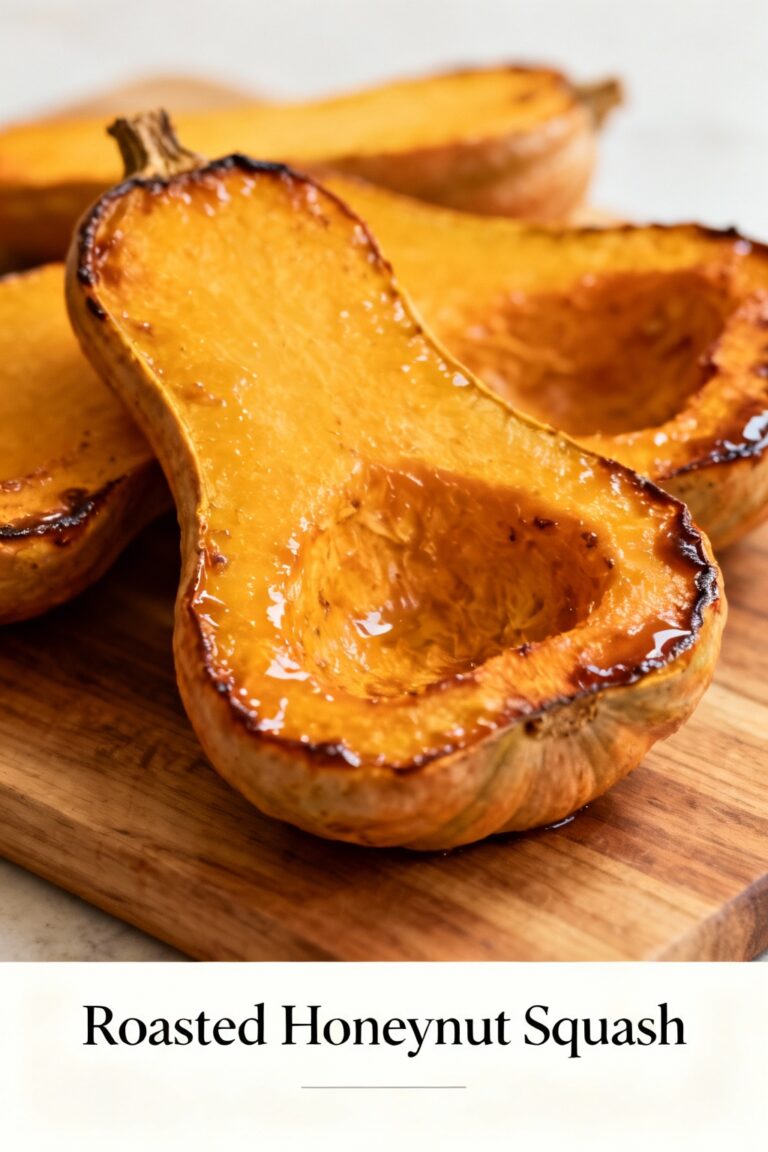
Preheat oven to 400°F (200°C). Toss cubed squash with half the oil, a pinch of salt, and spread on a sheet pan. Roast 20–25 minutes until fork-tender and slightly caramelized at the edges. Personalized tip: roast on a hot sheet pan (preheat pan in oven) to speed caramelization; flip once halfway. If short on time, skip roasting and sauté squash cubes in a large pot with oil for 10 minutes until some pieces brown—roasting adds depth, sautéing saves time.
Step 2: Build Flavor with Aromatics
While squash roasts, heat remaining oil or butter in a heavy-bottomed pot over medium heat. Add onion and carrot; sweat for 6–8 minutes until translucent and sweet; add garlic in the last 60 seconds to avoid bitterness. Actionable trick: sprinkle a pinch of salt early to draw moisture and accelerate browning without burning.
Step 3: Add Spices and Deglaze
Stir in cumin and nutmeg to bloom spices in the fat for 30 seconds, then deglaze the pot with a ladle of stock, scraping up browned bits—this is where much flavor concentrates. Personalized variant: add 1 apple, peeled and chopped, for a subtle tangy-sweet dimension.
Step 4: Simmer to Marry Flavors
Add roasted squash and remaining stock. Bring to a simmer and cook 8–12 minutes to blend flavors. If using canned pumpkin, a quick simmer of 5 minutes is enough. Tip: simmer gently—boiling aggressively can break down starches and change mouthfeel.
Step 5: Blend to Silky Perfection
Use an immersion blender to purée until very smooth, or transfer in batches to a high-speed blender. For an extra-silky texture, press the puréed soup through a fine-mesh sieve back into the pot. Pro tip: when using a blender, vent the lid slightly and cover with a kitchen towel to avoid pressure build-up.
Step 6: Finish and Taste
Return soup to low heat, stir in coconut milk or cream, and adjust seasoning with salt, pepper, and a squeeze of lemon or apple cider vinegar to lift flavors. Personalization: for a smoky twist, add a few drops of liquid smoke or 1/2 tsp smoked paprika. If thinner soup is desired, add more stock; for thicker, cook a few extra minutes to reduce.
Nutritional Information
Based on USDA data for raw butternut squash and standard recipe yields, one 1.5-cup serving (approx. 360 g) of this soup made with vegetable stock and coconut milk contains roughly: 180–240 kcal, 4–6 g protein, 8–12 g fat (varies with cream choice), 22–30 g carbohydrates, 4–6 g fiber, and under 6 g sugar (naturally occurring). Butternut squash is a nutrient-dense base: per 100 g it provides ~45 kcal, ~10630 IU vitamin A (over 200% DV per 100 g), ~21 mg vitamin C (about 24% DV), and ~352 mg potassium. Data insight: swapping heavy cream for low-sugar coconut milk reduces saturated fat by approximately 30–40% while preserving creaminess.
Healthier Alternatives for the Recipe
- Lower calories and saturated fat: replace heavy cream with plain Greek yogurt (stir in off-heat to prevent curdling) or unsweetened almond milk plus 1 tbsp cornstarch to thicken.
- Boost protein: blend in 1/2 cup cooked white beans or red lentils (cook separately and blend smooth) to increase protein by 6–10 g per serving and add fiber.
- Reduce sodium: use no-salt-added stock and season incrementally—research shows homemade or low-sodium broths can cut total sodium by 30–50%.
- Vegan option: use olive oil and coconut milk or cashew cream (soaked cashews blended with water) instead of dairy; add nutritional yeast for umami.
- Low-carb adaptation: substitute half the squash with cauliflower florets to reduce net carbs while keeping a similar texture.
Serving Suggestions
Serve piping hot in warmed bowls for the most comforting experience. Garnish ideas: a swirl of yogurt or coconut cream and roasted pepitas for crunch; crispy sage leaves fried in butter for an herby aroma; a drizzle of chili oil for heat; crumbled bacon for non-vegetarian richness. Pairing: lighten the meal with an autumn salad (arugula, pear, walnuts, lemon vinaigrette) or serve with crusty sourdough for dunking. For wine, a lightly oaked Chardonnay or a dry Riesling complements the soup’s balance of sweet and savory. Personalized serving tip: portion into mason jars for meal-prep lunches—top with pepitas and keep dressing separate.
Common Mistakes to Avoid
- Not roasting or browning the squash: skipping this step makes the soup flatter and less complex—caramelization adds crucial depth.
- Over-salting early: always taste at the end; concentrated flavors after reduction may need less salt than initial expectations.
- Burning garlic: add garlic late in the sauté to avoid bitter notes.
- Blending hot soup improperly: if using a blender, vent the lid and cover with a towel to prevent steam pressure and splatter.
- Too thin or too thick: adjust with stock or reduction; start conservatively—you can always thin, but thickening after over-thinning is harder.
Storing Tips for the Recipe
Refrigerate cooled soup in airtight containers within two hours of cooking and consume within 3–4 days. For longer storage, freeze in portion-sized containers or heavy-duty freezer bags for up to 3 months; leave 1 inch of headspace if using jars. Thaw overnight in the refrigerator and reheat gently on the stovetop with a splash of stock to refresh texture. To prep ahead: roast squash and store it mashed for up to 3 days; assemble and simmer the day you plan to serve for maximum flavor.
Conclusion
This butternut squash soup balances ease, nutrition, and restaurant-quality texture in under an hour, with flexible swaps to suit vegan, low-sodium, or higher-protein needs. Try it once as written, then experiment with the suggested swaps—leave a comment to share your favorite garnish or how you adapted it for dietary needs. If you enjoyed this, explore related posts on roasted carrot soup, pumpkin bisque, or creamy cauliflower soup for more cozy, seasonally optimized recipes.
FAQs
Q: Can I use canned pumpkin instead of fresh squash? A: Yes—use 1 1/2–2 cups canned pumpkin; reduce simmer time and adjust spices as canned pumpkin is denser and less sweet than roasted squash. Q: How can I make the soup extra silky without cream? A: Blend thoroughly in a high-speed blender and strain through a fine-mesh sieve; add a small amount of blended cooked white beans for natural silkiness. Q: Is this soup freezer-safe? A: Yes—freeze up to 3 months in airtight containers; thaw overnight and reheat gently, adding stock if needed. Q: Can I make this in an Instant Pot? A: Absolutely—use the sauté function for aromatics, add squash and stock, cook on high pressure for 8 minutes, then quick-release and blend. Q: How do I make it lower carb for keto? A: Replace half or more of the squash with cauliflower; the result will be less sweet and require more seasoning adjustments. Q: How do I keep the color bright? A: Avoid overcooking and finish with a fresh acid (lemon or vinegar) which brightens both flavor and perceived color.