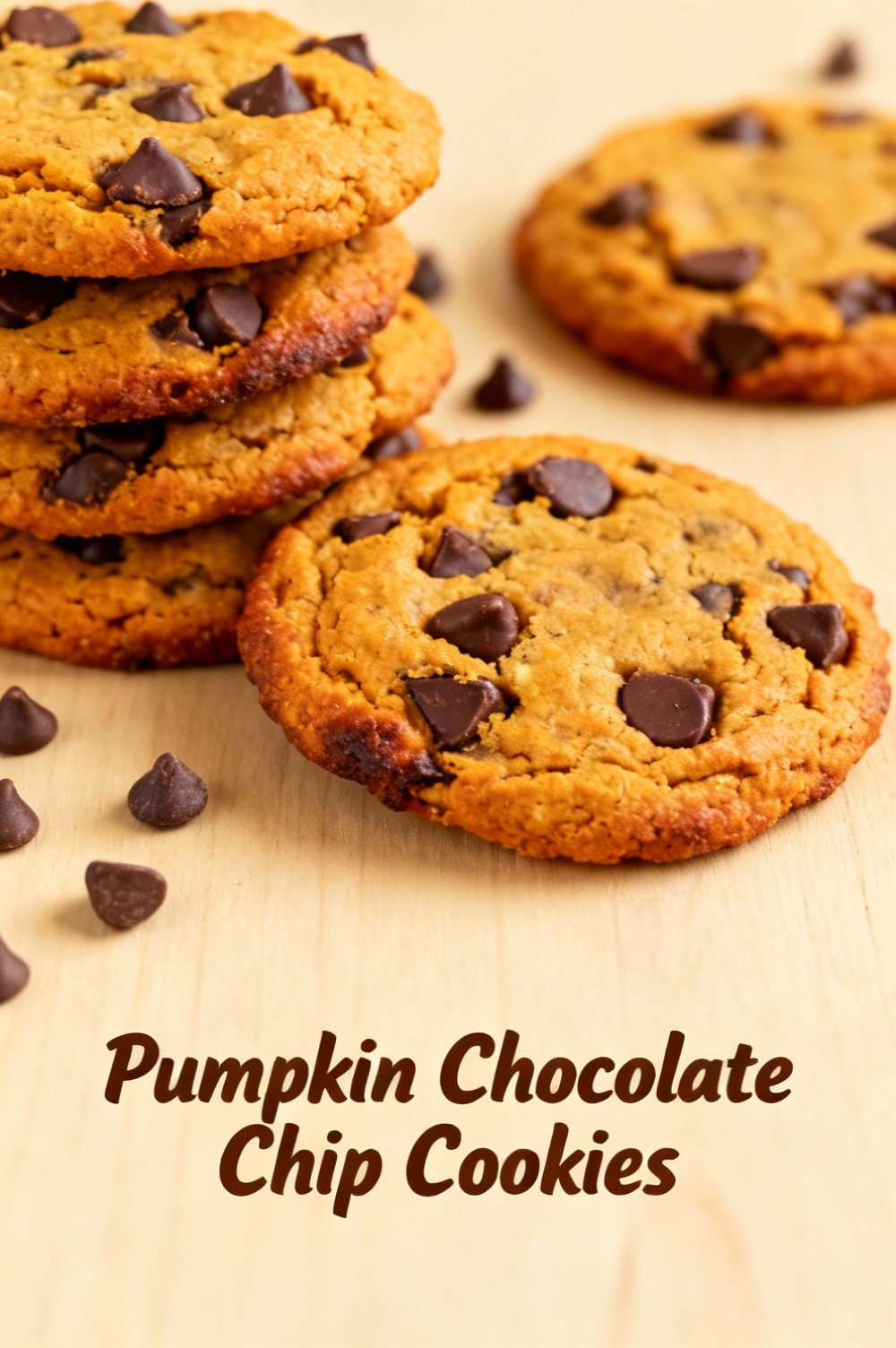
Pumpkin Chocolate Chip Cookies
Have you ever wondered why pumpkin chocolate chip cookies—moist, spiced, and studded with melty chocolate—consistently out-perform plain cookies in fall recipe searches, and what small tweaks will make your batch the one remembered by friends and family?
Ingredients List
1 cup (240 g) pumpkin puree—use canned 100% pumpkin for consistent moisture; homemade works but drain excess liquid to avoid a gummy texture.
1/2 cup (113 g) unsalted butter, softened—substitute equal parts coconut oil for dairy-free or use 1/2 cup applesauce plus 2 tablespoons butter to cut fat while keeping chewiness.
3/4 cup (150 g) packed light brown sugar—for deeper caramel notes; swap for coconut sugar or Swerve for a lower-glycemic option.
1/4 cup (50 g) granulated sugar—balances texture; omit or reduce for a softer, less-sweet cookie.
1 large egg (or 1 flax egg for vegan: 1 tbsp ground flax + 2.5 tbsp water, chilled 5 minutes).
1 teaspoon pure vanilla extract.
1 1/2 cups (190 g) all-purpose flour—use 1:1 gluten-free flour blend for gluten-free; if using almond flour, lower quantity and expect denser cookies.
1 teaspoon baking soda.
1/2 teaspoon baking powder—helps lift for a cakier texture.
1/2 teaspoon fine sea salt.
1 teaspoon ground cinnamon, 1/4 teaspoon ground nutmeg, 1/8 teaspoon ground cloves—adjust spice mix to taste (pumpkin spice blend works well).
1 cup (170 g) semi-sweet chocolate chips or chopped dark chocolate—use dairy-free chips for vegan option, or white chocolate for contrast.
Optional: 1/2 cup chopped toasted pecans or walnuts for crunch, 1/3 cup quick oats for chew, or 1 tablespoon molasses for richer flavor.
Timing
Preparation time: 15 minutes.
Optional chilling time: 20–30 minutes (helps control spread; skip for quicker baking).
Baking time: 10–12 minutes per batch at 350°F (175°C).
Total time: ~45–60 minutes depending on chilling and number of batches—about 20% faster than recipes that call for 1–2 hours of chilling or complex layering, making this a high-impact, time-efficient fall treat.
Step 1 — Preheat, Measure, and Prep Your Pan
Preheat your oven to 350°F (175°C). Line baking sheets with parchment paper or a silicone mat—this prevents sticking and promotes even browning. Measure ingredients precisely using a digital scale when possible; small flour differences change texture dramatically. If you’re adding nuts, toast them in the oven for 6–8 minutes while it preheats to amplify flavor. Tip: use room-temperature butter and egg—they emulsify better and create a uniform dough.
Step 2 — Combine Wet Ingredients for Optimal Moisture
In a large bowl, cream the softened butter with both sugars until light and slightly fluffy—about 2–3 minutes with an electric mixer. Beat in the egg (or flax egg), vanilla, and pumpkin puree until fully incorporated. Pro tip: add pumpkin in two stages if your batter seems too wet initially; this helps you judge final consistency and prevents overhydration.
Step 3 — Whisk Dry Ingredients and Tailor Texture
In a separate bowl, whisk together flour, baking soda, baking powder, salt, and spices. For chewier cookies, replace 2 tablespoons of flour with 2 tablespoons of cornstarch; for cakier cookies, add an extra 1 tablespoon of baking powder. Gradually fold the dry mixture into the wet until just combined—avoid overmixing to keep cookies tender. At this stage fold in chocolate chips (and nuts or oats if using), making sure chips are evenly distributed.
Step 4 — Portion, Chill (Optional), and Bake
Use a 1.5-tablespoon cookie scoop for evenly sized cookies (yields ~24). Place scoops 2 inches apart on prepared sheets. For thicker cookies that spread less, chill scooped dough for 20–30 minutes. Bake 10–12 minutes: cookies should be set at the edges and slightly soft in the center; they will continue to cook on the hot sheet while cooling. Tip: rotate pans halfway through baking for uniform color, and for extra chew, underbake by 30–40 seconds.
Step 5 — Cool, Finish, and Store
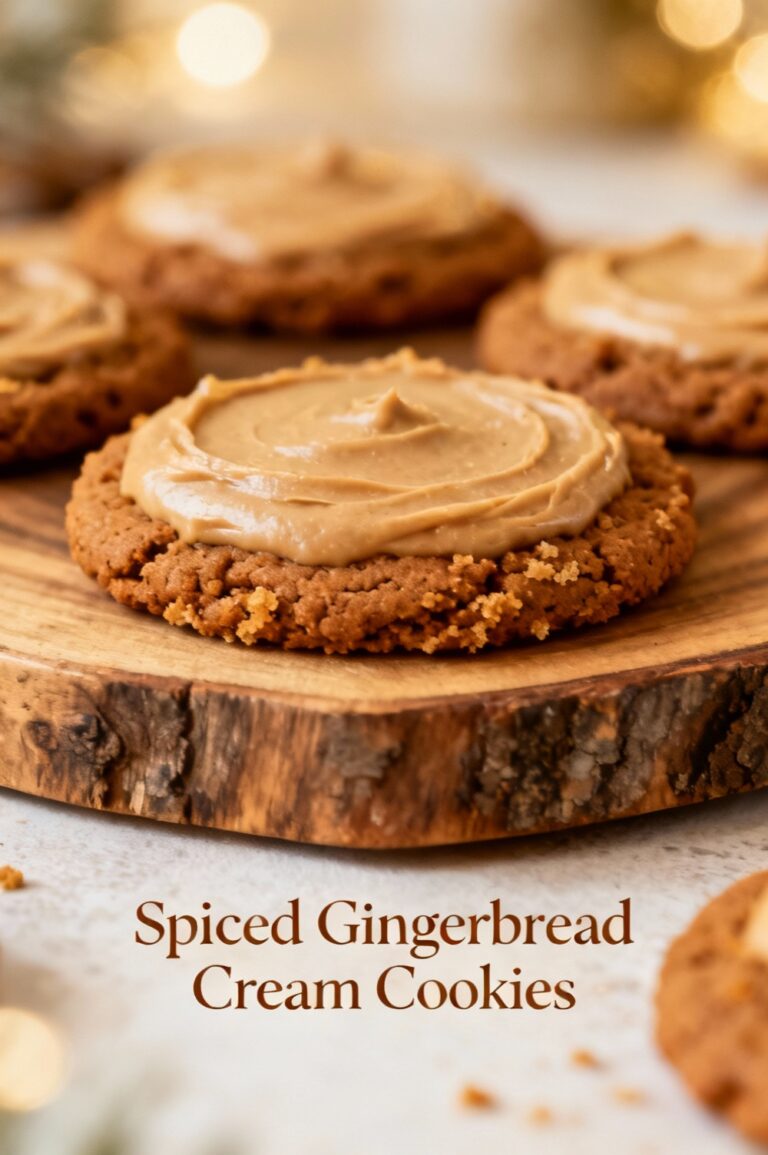
Allow cookies to cool on the baking sheet for 5 minutes to set, then transfer to a wire rack. For glossy tops and melty chips, press a few extra chocolate chips onto each cookie right out of the oven. If you want sandwich cookies, pair two with a dollop of cinnamon cream cheese frosting or mascarpone whipped with honey. To refresh slightly stale cookies, microwave one for 8–10 seconds or warm in a 300°F (150°C) oven for 3–4 minutes.
Nutritional Information
Nutritional values are estimates per cookie assuming a yield of 24 cookies and the ingredient list above: Calories: approximately 130–160 kcal; Total fat: 6–8 g; Saturated fat: 3–4 g (depends on butter vs. coconut oil); Carbohydrates: 18–22 g; Sugars: 9–12 g; Dietary fiber: 0.8–1.5 g; Protein: 1.5–2.5 g; Sodium: 90–140 mg. Data insight: swapping butter for applesauce can reduce calories per cookie by ~20–25% and lower fat by roughly half; using dark chocolate (70% cacao) slightly lowers sugar and increases antioxidants compared with milk chocolate. Note these are estimates—use a nutrition calculator for precise tracking if needed.
Healthier Alternatives for the Recipe
Reduce sugar: replace half the sugar with mashed banana or unsweetened applesauce, or use erythritol/xylitol blends for lower net carbs. Lower fat: replace half the butter with unsweetened applesauce or Greek yogurt (yogurt adds protein and tang). Gluten-free: use a 1:1 gluten-free baking flour blend with xanthan gum if needed; expect a slight textural difference—chill dough to reduce spread. Vegan: use coconut oil or vegan butter and a flax or chia egg; choose dairy-free chocolate chips. Paleo: substitute almond flour (reduce quantity to ~1 1/4 cups), coconut sugar, and use chopped dark chocolate; expect denser cookies. High-protein: fold in 1/4 cup vanilla protein powder and reduce flour by the same weight—add a splash more pumpkin if dough tightens.
Serving Suggestions
Serve warm with a glass of cold milk, spiced latte, or hot apple cider for seasonal flair. Dress up for dessert: sandwich two cookies with cinnamon cream cheese frosting, or crumble over vanilla ice cream as a crunchy topping. For brunch, pair with Greek yogurt and honey for a sweet-savory plate. Personalization tip: sprinkle flaky sea salt or a pinch of smoked salt on top before serving to heighten chocolate and spice notes; add a drizzle of salted caramel for an indulgent finish.
Common Mistakes to Avoid
Overhydrating with pumpkin: too much pumpkin makes cookies cakey or gummy—measure by weight or follow prescribed volume and avoid watery homemade pumpkin. Overmixing: vigorously mixing after adding flour develops gluten and yields tougher cookies; fold just until combined. Too-hot oven: results in overly browned edges and raw centers—use an oven thermometer for accuracy. Skipping chilling when needed: if your dough is very wet, chilling prevents excessive spreading and thin cookies. Using mismatched leaveners: omit baking powder only if deliberately aiming for denser texture—this recipe balances baking soda and powder for the ideal lift.
Storing Tips for the Recipe
Room temperature: store in an airtight container layered with parchment for up to 3 days—add a slice of apple to maintain moisture if cookies dry out. Refrigerator: keep for up to 7 days in an airtight container. Freezing: freeze baked cookies in a single layer on a tray, then transfer to freezer bags for up to 3 months; thaw at room temperature or warm briefly in the oven. Dough freezing: shape scoops onto a tray and freeze solid, then transfer to a bag; bake frozen scoops adding 1–2 minutes to bake time for fresh-baked convenience.
Conclusion
These pumpkin chocolate chip cookies deliver seasonally familiar spices, dependable texture, and simple flexibility—ready in under an hour and adaptable to most diets without sacrificing flavor. Try the base recipe as written, then experiment with one swap at a time (e.g., coconut sugar or a flax egg) to learn how each change affects texture and taste. Love the result? Share a photo and your favorite tweak in the comments, tag a friend who needs a fall-baking win, or explore related recipes like pumpkin muffins and pumpkin bread for more ways to use canned pumpkin this season.
FAQs
Q: Can I use pumpkin pie filling instead of pumpkin puree?
A: No—pumpkin pie filling is sweetened and spiced and will alter sweetness, spice balance, and moisture. Use plain pumpkin puree for consistent results.
Q: How do I make these cookies chewier rather than cakier?
A: Use slightly less baking powder (or omit it), add 2 tablespoons cornstarch, and underbake by 30–40 seconds. Chilling dough briefly also encourages a thicker, chewier cookie.
Q: My cookies spread too much—what went wrong?
A: Likely causes: warm dough, too little flour, or insufficient chilling. Measure flour accurately, chill dough for 20–30 minutes, and ensure your butter isn’t melted.
Q: Can I halve the recipe and still get consistent results?
A: Yes—reduce ingredients proportionally and watch baking time closely; smaller batches often bake faster. Use an accurate scale for best scaling.
Q: Is canned pumpkin the same as pumpkin pie mix?
A: No—canned pumpkin is pureed pumpkin. Pumpkin pie mix includes sugar and spices and will change recipe balance; stick to plain pumpkin for this cookie recipe.
Q: How do I make these nut-free and safe for nut allergies?
A: Omit nuts and ensure chocolate chips are processed in a nut-free facility if sensitivity is a concern. For added texture, use sunflower seeds or toasted oats instead.
Explore variations and share which substitutions worked best for you—whether you’re after lower sugar, vegan, or extra-chewy cookies, small tweaks yield big differences and make this recipe a fall favorite.