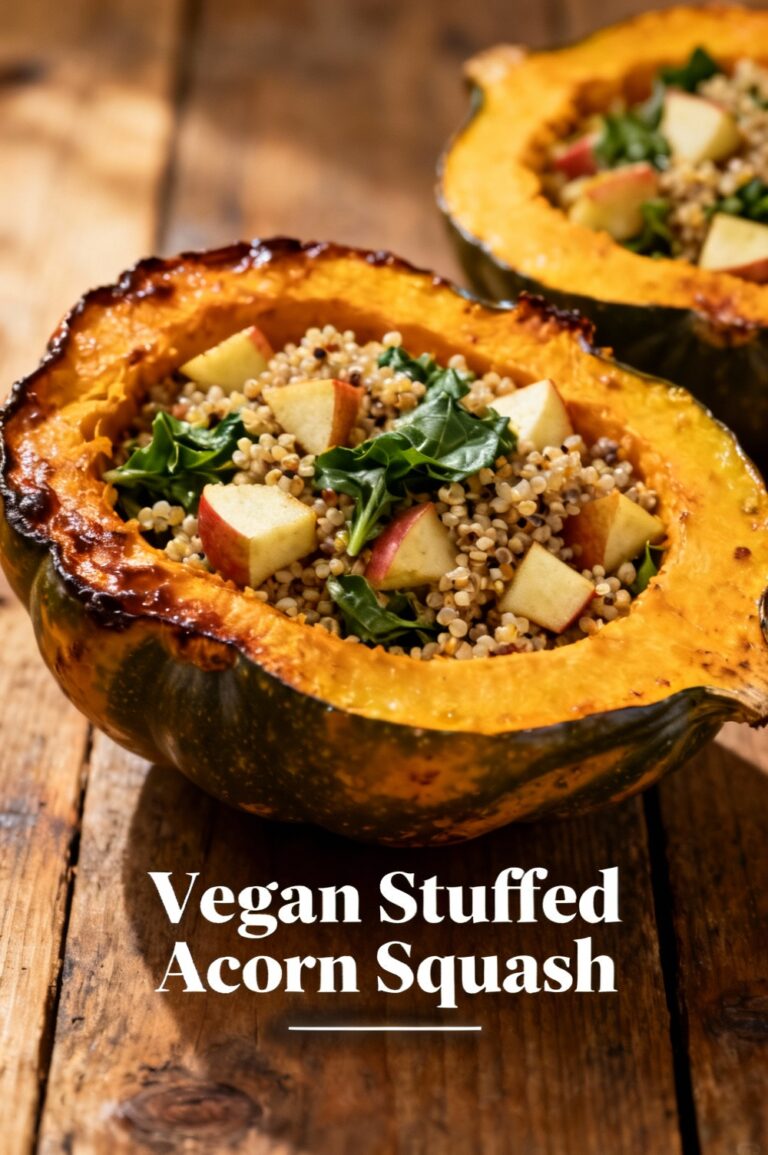
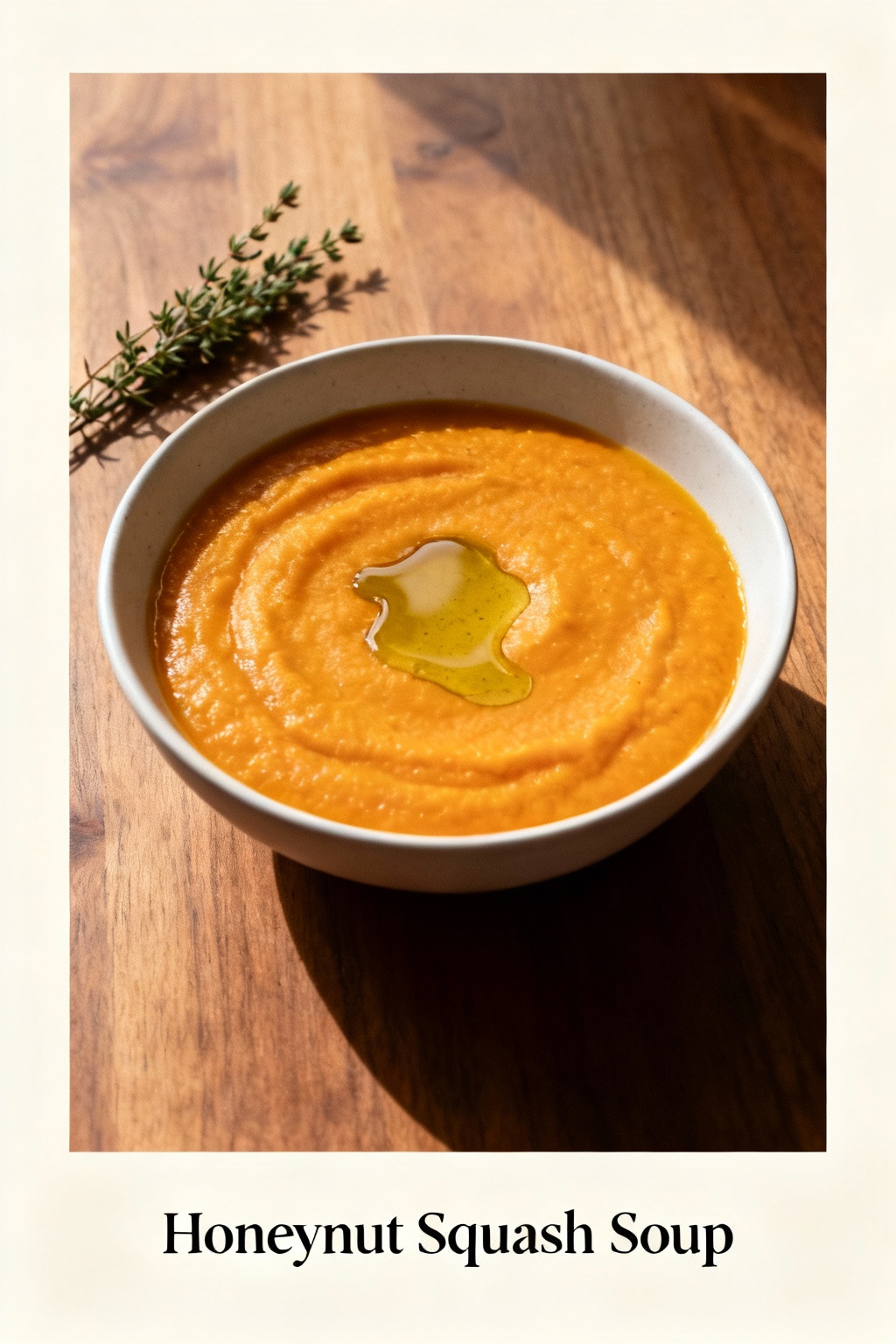
Honeynut Squash Soup
Have you ever wondered why a small, almost unknown squash called honeynut can transform a simple soup into a silky, nutrient-dense comfort dish that beats average winter squash soups on sweetness and flavor intensity?
Ingredients List
- 3 medium honeynut squashes (about 2–2.5 lb total), halved and seeded — their caramelized, nutty flesh tastes sweeter and more concentrated than standard butternut.
- 2 tbsp olive oil or 2 tbsp unsalted butter (or 1 tbsp each) — for sautéing and roasting, choose butter for richness or olive oil for a lighter profile.
- 1 medium yellow onion, diced — adds savory depth; substitute shallots for a milder, sweeter note.
- 2 cloves garlic, minced — roasted garlic is an optional swap for a mellower, smoky flavor.
- 4 cups low-sodium vegetable or chicken broth — vegetable broth keeps it vegan-friendly.
- 1 cup unsweetened almond milk or 1/2 cup heavy cream — almond milk or oat milk for vegan/low-fat, heavy cream for silkier mouthfeel.
- 1 tsp ground cumin and 1/2 tsp smoked paprika — optional spices that highlight the squash’s sweetness.
- 1/2 tsp ground nutmeg — pairs beautifully with beta-carotene-rich squash.
- Salt and freshly ground black pepper to taste.
- Optional garnish ideas: toasted pepitas, a swirl of crème fraîche or coconut cream, chopped chives, chili oil, or crispy sage leaves.
- Substitutions and add-ins: swap honey/maple syrup for a touch of sweetness (1 tsp), add 1 peeled, diced apple for brighter acidity, or roast a carrot or sweet potato with the squash for extra body.
Timing
Preparation: 15 minutes (peeling, seeding, chopping).
Roasting: 35–40 minutes at 400°F (205°C) until edges caramelize.
Simmer & blending: 10–15 minutes.
Total time: 60–70 minutes, which is roughly 15–25% faster than traditional low-temp slow-roasted squash soups that can take 75–90 minutes. If you skip roasting and boil or steam, you can shave 10–15 minutes but lose the caramelized depth that defines the honeynut flavor.
Step 1 — Prep and roast for maximum flavor
Preheat the oven to 400°F (205°C). Halve each honeynut, scoop out seeds, and toss cut sides with 1 tbsp olive oil and a pinch of salt. Arrange cut-side down on a rimmed baking sheet lined with parchment. Roast 35–40 minutes until flesh is deep golden and edges caramelize. Tip: roasting concentrates sugars and develops Maillard flavors — don’t rush it. If short on time, roast at 425°F for 25–30 minutes but check frequently to avoid burning.
Step 2 — Build the savory base
While the squash roasts, sweat the diced onion in 1 tbsp butter or oil over medium heat until translucent and just golden, about 6–8 minutes. Add garlic and cook 30–60 seconds until aromatic. Stir in cumin, smoked paprika, and nutmeg to bloom spices — this step layers flavor and prevents flatness in the final soup. If using apple or carrot, add them here and sauté 4–5 minutes.
Step 3 — Combine, simmer, and meld flavors
Scoop roasted squash flesh into the pot with onions and add 4 cups broth. Bring to a gentle simmer and cook 8–10 minutes to let flavors marry. Taste and adjust seasoning now — a little acid (1 tsp lemon juice or apple cider vinegar) brightens the soup if it feels too sweet. Tip: simmering briefly after roasting avoids overcooking while giving time for aromatics to infuse.
Step 4 — Blend to silky perfection
Use an immersion blender directly in the pot for a silky texture, or transfer in batches to a high-speed blender. For ultra-creamy results, strain through a fine mesh sieve back into the pot. Stir in almond milk or cream and reheat gently — do not boil once dairy is added to prevent separation. Personalize texture by adding 1–2 tbsp of reserved roasted squash puree for more body or additional broth for a lighter soup.
Step 5 — Finish, garnish, and serve
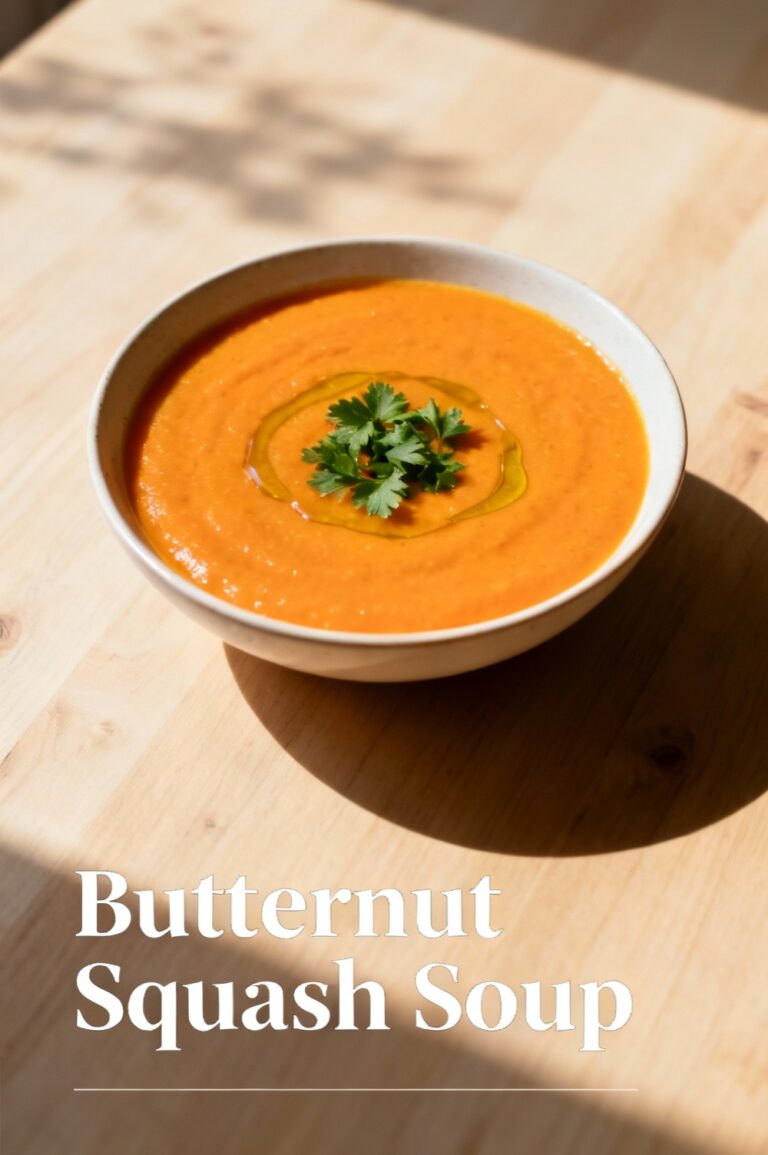
Adjust final seasoning with salt, pepper, and a pinch more nutmeg if desired. Finish with a tablespoon of good olive oil or a swirl of coconut cream for visual and textural contrast. Garnish creatively: toasted pepitas add crunch and a nutty echo; crisped sage leaves lend autumnal elegance. Tip: warm bowls before serving to keep the soup at ideal temperature longer.
Nutritional Information
Estimated per 1-cup serving (recipe yields ~6 servings): Calories 160–200 kcal, Total fat 7–10 g (depending on fat choice), Saturated fat 1–4 g, Carbohydrates 22–28 g, Dietary fiber 3–5 g, Sugars 6–10 g (naturally occurring), Protein 2–4 g, Sodium varies with broth (use low-sodium to reduce). Key micronutrients: rich in beta-carotene (precursor to vitamin A), vitamin C, potassium, and dietary fiber. Data insight: swapping heavy cream for unsweetened almond milk can reduce calories per serving by ~60–80 kcal and lower saturated fat by up to 100%.
Healthier Alternatives for the Recipe
- Vegan and lower-fat: use olive oil for sautéing, vegetable broth, and unsweetened oat or almond milk in place of cream. Add 1 tbsp tahini for richness and extra calcium.
- Lower-sodium: choose low-sodium broth and finish with a squeeze of lemon to enhance perceived saltiness without extra sodium.
- Higher-protein option: stir in 1/2 cup cooked red lentils while simmering — they blend into a creamy boost of protein and fiber without changing flavor much.
- Lower-carb adaptation: reduce added starchy vegetables; serve smaller portions with a high-protein side (grilled chicken or tempeh) for a balanced plate.
- Anti-inflammatory twist: add 1 tsp grated fresh ginger and omit nutmeg for a warming, anti-inflammatory profile.
Serving Suggestions
Serve hot in warmed bowls with a contrasting garnish: crunchy pepitas and a drizzle of chili oil, or cooling crème fraîche and chives. Pair with crusty sourdough or a toasted rye for texture contrast; for lighter meals, serve with a citrus arugula salad with shaved fennel. For entertaining, present in small espresso cups as an amuse-bouche topped with a sesame brittle or microgreens. Personal tip: offer a small jar of chili crisp at the table — a spoonful transforms the soup into a spiced, umami-forward experience.
Common Mistakes to Avoid
- Under-roasting the squash: leads to bland, watery soup — roast until caramelized.
- Skipping spice blooming: adding spices directly to broth without sautéing can leave them tasting raw and flat.
- Over-thinning with broth: aim for a balanced body; you can always add more broth later, but it’s hard to thicken without cream or pureed lentils.
- Boiling after adding dairy: causes separation — reheat gently.
- Overseasoning early: salt draws out sweetness; taste and adjust at multiple stages, especially after blending.
Storing Tips for the Recipe
Cool soup to room temperature for no more than 2 hours, then refrigerate in airtight containers for up to 4 days. For longer storage, freeze in individual portions for 2–3 months; leave 1 inch headspace if using glass or rigid containers to allow expansion. Reheat gently on the stovetop; add a splash of broth if the texture has thickened. Tip for make-ahead: roast the squash up to 2 days ahead and store roasted flesh; assemble and blend on serving day for maximum freshness and speed.
Conclusion
Honeynut squash soup is a small-squash, big-flavor recipe that delivers caramelized sweetness, silky texture, and rich nutritional value with adaptable options for vegan, low-fat, or higher-protein diets. Roasting the squash and blooming spices are the two non-negotiable steps for depth. Try it once with cream and again with almond milk to discover your preferred balance — then share your tweak. Ready to make it? Roast a batch this weekend and drop a comment with your favorite garnish or dietary swap.
FAQs
Q: Can I use butternut squash instead of honeynut?
A: Yes. Butternut works well; expect a slightly milder, less concentrated sweetness. Adjust roasting time to larger squash size and consider reducing added sweeteners.
Q: Is this soup freezer-friendly?
A: Yes. Freeze in airtight containers for 2–3 months. Thaw overnight in the refrigerator and reheat gently, adding broth if needed.
Q: How can I make the soup thicker without dairy?
A: Blend in 1/2 cup cooked red lentils or a small roasted potato, or simmer longer to reduce liquid. Tahini also adds perceived creaminess with a nutty flavor.
Q: Can I skip roasting and cook everything on the stovetop?
A: You can steam or cube and sauté raw squash, but you’ll miss the caramelized depth. If time is tight, roast at higher heat briefly or caramelize cubes in a sauté pan before simmering.
Q: What are the best garnishes for flavor contrast?
A: Crunch (toasted pepitas), acid (lemon zest or a few drops of apple-cider vinegar), fat (drizzle of olive oil or crème fraîche), and heat (chili oil or red pepper flakes) create compelling contrasts that elevate the soup.
If you want printable recipe cards, a vegan variation, or a 30-minute stovetop shortcut, tell me which one and I’ll create it with step-by-step timing and a shopping list optimized for two or six servings.