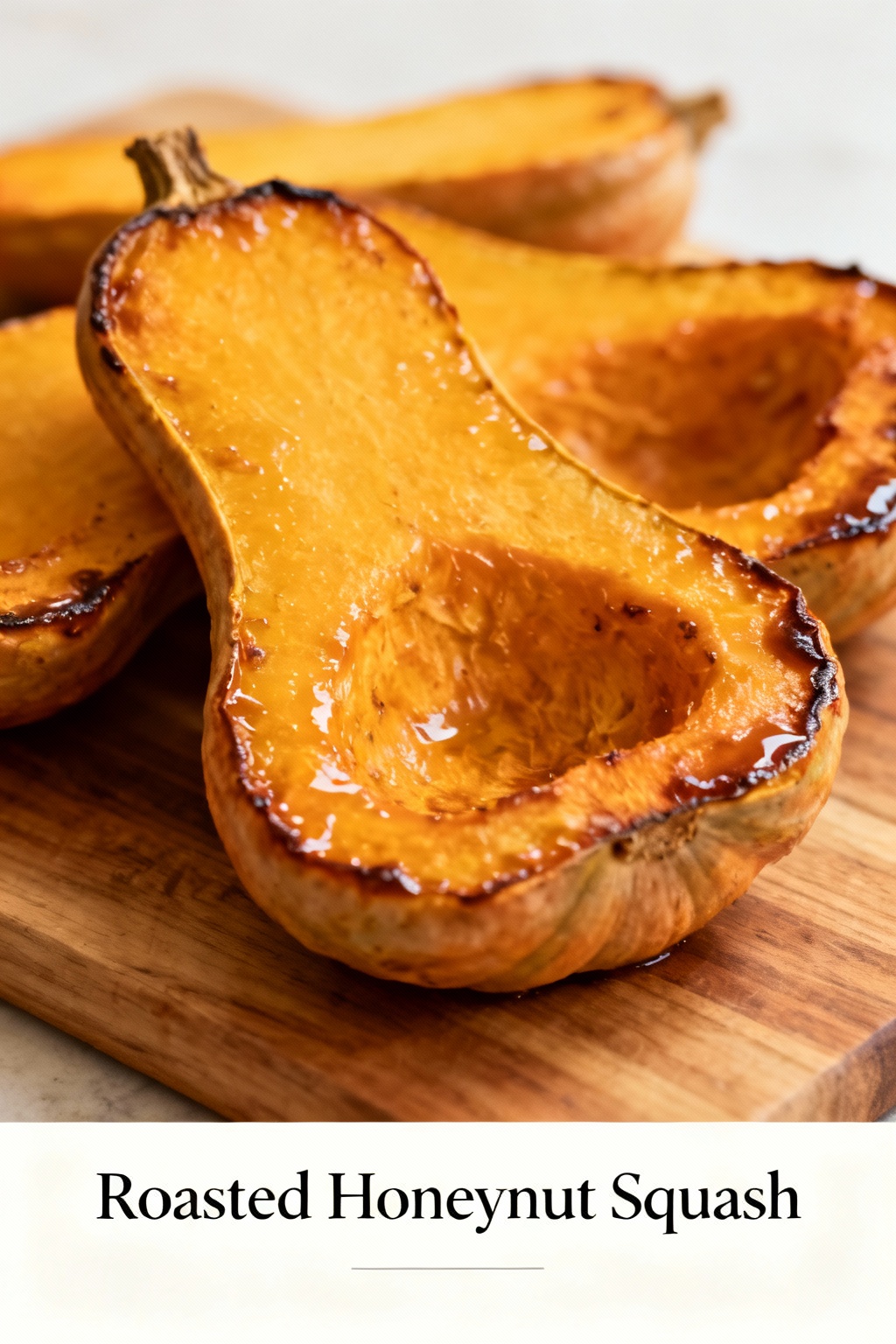
Roasted Honeynut Squash
Introduction:
Did you know the honeynut squash — a smaller, sweeter relative of butternut developed at Cornell — concentrates flavor and nutrients in a way that can transform a simple roast into a restaurant-quality side with less time and effort than many winter squash recipes? Many cooks assume all winter squashes roast the same way, but because honeynuts are denser, sweeter, and smaller, they caramelize faster and need gentler handling to preserve texture and concentrate natural sugars. This recipe and guide shows how to get golden, caramelized flesh, crisp edges, and depth of flavor with minimal fuss while maximizing nutrition and versatility.
Ingredients List:
- 2 medium honeynut squashes (about 1.5–2 pounds total), halved—look for firm skin and deep orange flesh. Substitution: 2 small butternuts if unavailable; reduce roast time by 10–15 minutes for honeynut.
- 2 tablespoons extra-virgin olive oil (or avocado oil for a higher smoke point). Health swap: use 1 tablespoon oil + 1 tablespoon apple cider for a lighter glaze.
- 1 tablespoon maple syrup or honey (optional for caramelization). Vegan note: use maple syrup.
- 1 teaspoon flaky sea salt + ½ teaspoon black pepper.
- 1 teaspoon smoked paprika or ½ teaspoon ground cumin for warmth. Substitution: za’atar or ras el hanout for Middle Eastern/North African flavor.
- 2 tablespoons chopped fresh thyme or rosemary, plus extra sprigs for garnish.
- 2 tablespoons toasted pepitas or chopped toasted walnuts for crunch (optional).
- 1 tablespoon lemon juice or apple cider vinegar to brighten before serving.
Sensory notes: the flesh should smell nutty and sweet after roasting, the edges caramelized and slightly crisp, and the interior dense and silky.
Timing:
Preparation: 10–15 minutes. Active hands-on time is minimal—halving and seasoning are quick.
Cooking time: 30–40 minutes at 400°F (205°C) depending on size and oven. Total time: 40–55 minutes. Context: that’s roughly 20–30% faster than roasting larger butternut halves because smaller honeynuts brown and cook through faster, letting you get superior caramelization in less time.
Step 1: Choose and prep the squash
Use a sharp chef’s knife and a damp towel to stabilize the squash. Cut off stem end, halve lengthwise, and scoop seeds (reserve seeds for roasting). Tip: if halving is hard, soften in the microwave 1–2 minutes to make cutting safer. Personalization: save the seeds, toss with smoked paprika and roast for a crunchy snack.
Step 2: Season for depth, not just salt
Brush the flesh with olive oil, then drizzle maple syrup if using; sprinkle salt, pepper, and your chosen spice. Press herbs lightly into the flesh. Tip: massaging oil into the ridges ensures even browning. For less sugar, skip the syrup and increase herbs and acid at the end.
Step 3: Roast like a pro
Place halves cut-side down on a parchment-lined rimmed baking sheet to trap caramelized juices. Roast at 400°F (205°C) for 25–30 minutes, then flip and roast 5–10 minutes cut-side up to deepen color. Convection ovens may shave 5–7 minutes. Trick: for more char, finish under the broiler 1–2 minutes while watching closely. Personalized tweak: for softer centers, wrap loosely in foil for 10 minutes after roasting to steam gently.
Step 4: Finish and layer flavors
Remove from oven, squeeze lemon or vinegar over the flesh, sprinkle toasted nuts or seeds and more fresh herbs. Optional: a drizzle of browned butter (or vegan butter) and a pinch of flaky sea salt elevates richness. Tip: serve warm within 15 minutes for best texture.
Nutritional Information:
Per serving (one half honeynut, ~150–200g cooked flesh): approximately 80–110 kcal, 20–25 g carbohydrates, 3–7 g fiber, 4–7 g sugars (natural), ~2 g protein, and <1 g fat before added oil. Honeynut and other orange-fleshed squashes are excellent sources of provitamin A (beta-carotene) and provide vitamin C, potassium, and dietary fiber; one serving often supplies well over 100% of the daily value for vitamin A when converted to retinol activity equivalents (RAE). Data insight: swapping heavy butter for olive oil keeps calories leaner while maintaining mouthfeel; adding a tablespoon of oil adds ~120 kcal.
Healthier Alternatives for the Recipe:
- Oil reduction: use an oil spray or brush to cut oil by half without sacrificing caramelization. Add a teaspoon of maple for perceived sweetness.
- Lower-sugar finish: skip maple/honey and finish with a herb citrus chimichurri (parsley, lemon, olive oil) to add brightness without added sugars.
- Keto/paleo adaptation: halve portion size and pair with a fat-rich protein (pan-seared salmon or chicken thigh) to balance macros; note squash is relatively high in carbs for strict keto.
- Vegan upgrade: use maple and toasted nuts; finish with tahini drizzle for creaminess and extra plant protein.
- Gluten-free/Whole30: naturally compliant — just avoid honey if on a sugar-restricted protocol.
Serving Suggestions:
- Weeknight dinner: serve atop a bed of arugula with quick lemon vinaigrette and crumbled goat cheese or vegan feta.
- Grain bowl: pair with farro, quinoa, or freekeh, roasted chickpeas, tahini sauce, and pomegranate seeds for texture contrast.
- Protein pairings: roasted honeynut shines with roast chicken, seared salmon, or tempeh marinated in soy + maple for an umami touch.
- Holiday side: replace heavy sides with halves glazed with brown butter and sage, topped with toasted walnuts and a sprinkle of orange zest.
Personal tip: for meal prep, cube leftover roasted flesh and toss into grain salads; it reheats well and brings natural sweetness to bowls.
Common Mistakes to Avoid:
- Crowding the pan: overcrowding causes steaming, not roasting. Use at least one large rimmed sheet and space halves apart.
- Over-roasting small pieces: thin wedges or small honeynut pieces can burn quickly—watch during the last 10 minutes and rotate sheet.
- Skipping acid at finish: a bright splash of lemon or vinegar cuts through sweetness and lifts the final flavor profile.
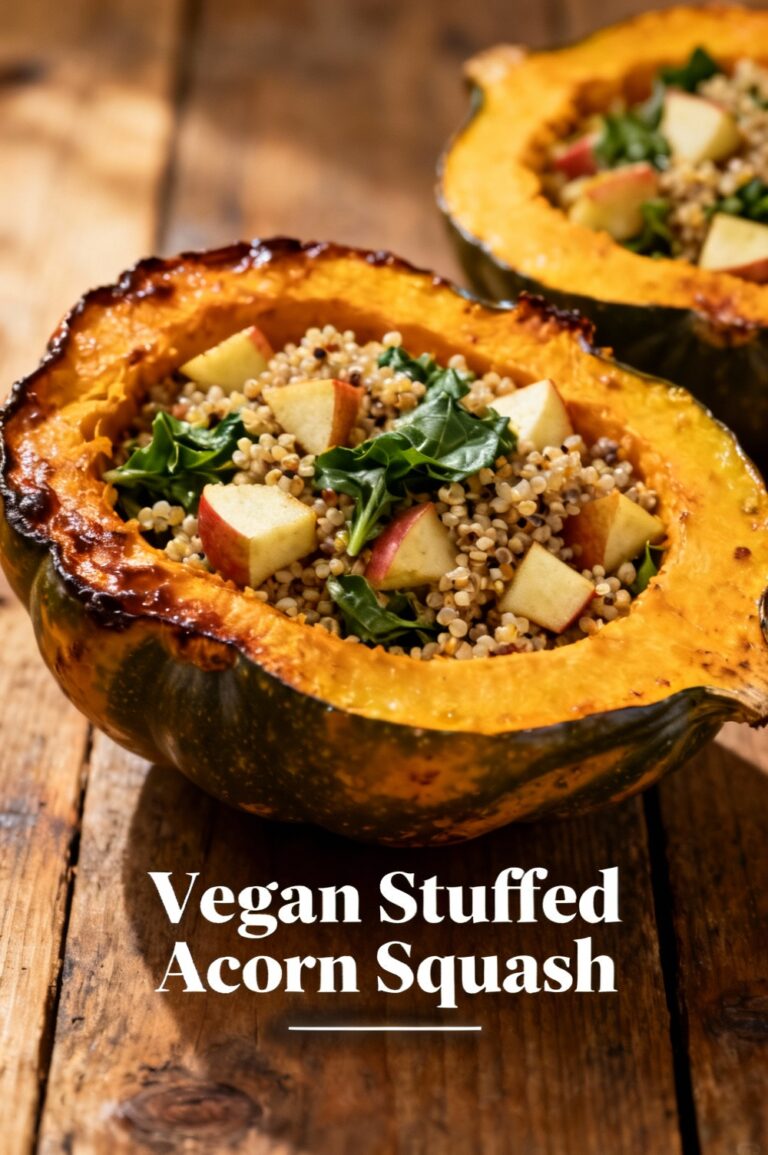
- Not scoring seeds: if you plan to stuff or glaze the halves, score flesh lightly so seasoning penetrates.
- Using too-high oven temp without monitoring: oven hotspots can char edges while leaving centers underdone—rotate pan halfway through.
Storing Tips for the Recipe:
- Refrigerator: cooled roasted halves last 3–4 days in an airtight container. Store with a paper towel to absorb excess moisture.
- Freezer: mashed or cubed roasted squash freezes well for up to 3 months in freezer bags; thaw overnight in fridge and reheat in oven or air fryer to regain texture.
- Make-ahead: roast a batch on Sunday; portion into lunches and dinners during the week. Reheat under the broiler or in a 350°F (175°C) oven for 8–12 minutes to refresh caramelization.
- Seeds: roasted pepitas keep 1–2 weeks at room temp and longer refrigerated.
Conclusion:
Roasted honeynut squash is a small change with a big payoff—speedier roasting, deeper sweetness, and concentrated nutrition make it a versatile hero for weeknight meals and festive spreads alike. Use the simple seasoning formula here as a baseline, then personalize with glazes, nuts, or savory toppings to match your meal plan. Try this recipe, leave a note on what you swapped, and tag a friend to share a photo — I’d love to hear which finish (brown butter, maple, or herb drizzle) becomes your go-to.
FAQs:
Q: Can I substitute butternut for honeynut? A: Yes; butternut is larger and takes longer to roast (usually 45–60 minutes); adjust time and expect slightly milder sweetness. Q: Is honeynut skin edible? A: Yes—when roasted until tender, the skin is edible and adds texture; many prefer serving with skin on for convenience and nutrients. Q: How can I speed up cooking? A: Cut into 1-inch wedges or cubes and roast at 425°F (220°C) for 20–25 minutes, turning once, but watch for faster browning. Q: Can I stuff the halves? A: Absolutely—after par-roasting 20 minutes, scoop a small cavity and fill with quinoa, goat cheese, and herbs, then return to the oven 8–12 minutes. Q: How do I pick a ripe honeynut at the store? A: Choose ones with firm, blemish-free skin, heavy for their size, and a deep orange flesh color visible at cut ends or stems. Q: Are roasted honeynut leftovers still nutritious? A: Yes—roasting can increase bioavailability of beta-carotene, and storing properly preserves fiber and vitamins for several days.
Explore related recipes like roasted delicata with sage, brown-butter pumpkin, or stuffed squash bowls for more seasonal inspiration.