Soft Gingerbread Cookies
Introduction
Did you know that a change of just 30 seconds in baking time can be the difference between a soft, tender gingerbread cookie and a crisp, snap‑back biscuit — and that moisture-retention strategies can preserve that softness for days? If you love soft gingerbread cookies that melt on the tongue yet hold shape for decorating, this recipe and guide will help you beat the common crisping pitfalls and deliver reliably chewy results every time.
Ingredients List
- 2 1/4 cups (280 g) all-purpose flour — for a softer crumb, use 1:1 mix of all-purpose and pastry flour.
- 2 tsp ground ginger — fresh, warm, and dominant in flavor.
- 1 tsp ground cinnamon — adds sweetness depth.
- 1/2 tsp ground cloves — for a subtle bite (substitute with 1/4 tsp nutmeg + 1/4 tsp allspice if preferred).
- 1/2 tsp salt — balances the molasses.
- 1 tsp baking soda — helps spread and soft chew.
- 3/4 cup (170 g) unsalted butter, softened — browned butter variation adds a caramel note.
- 3/4 cup (150 g) packed dark brown sugar — moisture-rich for chewiness; can swap part for coconut sugar.
- 1 large egg + 1 large egg yolk — yolk adds tenderness; egg white increases crispness (omit white for softer cookies).
- 1/2 cup (120 ml) unsulphured molasses — for classic gingerbread depth; use blackstrap for a bolder, slightly bitter profile.
- 1 tsp vanilla extract — rounds flavor.
- Optional: 1 tbsp milk or buttermilk — for extra tenderness and spread control.
- Optional finishing: coarse sugar, royal icing or powdered sugar for dusting.
Timing
Preparation: 20 minutes.
Chill time: 30–45 minutes (or up to 2 hours for easier cutting).
Baking: 8–10 minutes per batch.
Total time: ~60–75 minutes active to ready-to-eat; with longer chilling, up to 150 minutes. Compared to many traditional gingerbread cookie recipes that call for 90–120 minutes total (including extended chilling), this streamlined approach can reduce overall time by 20–40% while preserving texture.
Step 1: Prep and measure precisely
Preheat your oven to 350°F (175°C). Line baking sheets with parchment or a silicone mat. Measure flour by spooning into the cup and leveling with a knife — or weigh it (280 g) for accuracy. Tip: accurate flour measurement prevents dry or dense cookies; a scale reduces variability.
Step 2: Combine dry spices and flour
Whisk together flour, ground ginger, cinnamon, cloves, salt, and baking soda in a bowl. Sifting lightly ensures even spice distribution and avoids pockets of baking soda that cause uneven spread. Tip: toast whole spices briefly and grind fresh for a brighter aroma.
Step 3: Cream butter and sugar for structure and moisture
In a mixer, beat softened butter and dark brown sugar until light and fluffy, about 2–3 minutes. The creaming incorporates air for a tender structure. Add the egg and yolk, beating until incorporated, then mix in molasses and vanilla. Tip: don’t overmix after adding flour — stop when the dough is just uniform to avoid gluten development that leads to toughness.
Step 4: Incorporate dry ingredients and adjust
Fold the dry mixture into the wet in two additions. If dough seems very sticky, chill 15–30 minutes; if too stiff, add 1 tbsp milk. Personalized tip: if you prefer thicker, cake-like cookies, add an extra tablespoon of flour; for chewier, reduce flour by 1–2 tbsp.
Step 5: Chill for texture control
Chill dough 30–45 minutes for easier handling and to prevent excess spread. For cut-out shapes, chill 1–2 hours or refrigerate overnight. Data-backed trick: chilling solidifies butter so cookies spread less and maintain a soft, tender interior while retaining a defined edge.
Step 6: Shape, bake and watch closely
Roll dough to 1/4-inch thickness for soft cookies. Cut shapes and place 1–2 inches apart. Bake 8–10 minutes until edges are set but centers look slightly underbaked — residual heat finishes them. Remove to a wire rack to cool completely. Actionable tip: a 10-second difference can shift moisture balance; check cookies at the low end of bake time for softness.
Step 7: Cool and finish
Let cookies cool on the sheet for 3–4 minutes before transferring; this prevents breakage. Decorate with royal icing once fully cooled or dust with powdered sugar. For a glazed finish, mix 1 cup powdered sugar with 1–2 tbsp milk and a splash of vanilla.
Nutritional Information
Estimated values per cookie (based on 24 cookies from recipe; USDA ingredient averages): Calories ~145 kcal; Fat 7.5 g (Saturated fat 4.5 g); Carbohydrates 19 g (Sugars 10 g; Fiber 0.5 g); Protein 1.7 g; Sodium ~120 mg. Note: using brown sugar and molasses increases mineral content (iron and potassium) slightly compared to white sugar; substituting coconut sugar or reducing sugar lowers simple sugars but may alter texture. For precise tracking, weigh final batch and compute per serving using nutrition analysis tools.
Healthier Alternatives for the Recipe
- Lower sugar: reduce brown sugar to 1/2 cup and add 2 tbsp applesauce to maintain moisture.
- Reduced fat: replace 1/4 cup butter with 1/4 cup unsweetened applesauce for fewer calories (will slightly change texture).
- Gluten-free: substitute a 1:1 gluten-free flour blend with xanthan gum; chilling may need extension for handling.
- Vegan: use vegan butter, replace egg + yolk with 3 tbsp flaxseed meal + 9 tbsp water (flax “egg”), and use maple syrup instead of egg yolk for moisture; baking time may vary.
- Lower glycemic: swap molasses with a smaller amount (2–3 tbsp) and use erythritol blend for sugar replacement, but note sweetness and browning differ.
Serving Suggestions
Serve warm with a mug of spiced latte or tea; the contrast between warm spices and creamy beverage enhances aroma. For holiday platters, layer with soft cheeses (mascarpone or light cream cheese dip) and candied orange peel. For kids’ parties, provide royal icing and sprinkles for a decorate-your-own station. For a sophisticated pairing, serve with a dollop of lightly sweetened whipped ricotta and a drizzle of honey.
Common Mistakes to Avoid
- Overbaking: a few extra minutes will turn soft cookies crisp; remove at the first sign of set edges.
- Skipping chill: unchilled dough spreads excessively and loses shape — chilling controls butter temperature and structure.
- Measuring flour by scooping: compacts flour and yields dry cookies; weigh or spoon-and-level instead.
- Using too much baking soda: causes off‑taste and excessive spread. Stick to 1 tsp for this batch size.
- Decorating while warm: icing will melt and run — ensure complete cooling for crisp lines.
Storing Tips for the Recipe
Store cooled cookies in an airtight container at room temperature for up to 5 days; place a slice of bread or a damp paper towel in the container to help maintain moisture (replace every 1–2 days). For longer storage, freeze baked cookies in a single layer on a sheet tray then transfer to freezer bags for up to 3 months. To thaw, bring to room temperature or warm for 5–7 minutes at 300°F (150°C) for that freshly-baked softness. Dough can be formed, wrapped, and frozen for up to 3 months; thaw in refrigerator before rolling.
Conclusion
Soft gingerbread cookies hinge on controlling moisture, chill, and bake time. With balanced spices, the right sugar-to-molasses ratio, and attention to chilling, you can produce tender, flavorful cookies that stay soft for days and decorate beautifully. Try this method, tweak the sweetness or spice to match your palate, and share your results — comment below with your favorite substitutions or photos so others can recreate your version.
FAQs
Q: Can I make these without molasses?
A: Yes — replace molasses with equal parts dark corn syrup + 1 tsp blackstrap molasses for depth, or use 1/3 cup maple syrup for a different but tasty profile; texture and color will vary.
Q: How do I keep them soft for gift-giving?
A: Stack cookies with parchment between layers in an airtight tin and include a fresh slice of bread to maintain humidity; ship within 48 hours for best texture.
Q: Can I make soft gingerbread men for children to decorate?
A: Absolutely — chill dough 1–2 hours for clean shapes, roll to 1/4 inch thickness, and bake at the lower end of time for softness. Use thick royal icing to prevent bleeding.
Q: Why did my cookies spread too much?
A: Likely too-warm dough or overbeaten butter (too soft). Chill dough, reduce oven temperature by 10–15°F, and ensure flour is correctly measured.
Q: Are these cookies freezer-friendly?
A: Yes — baked cookies freeze well up to 3 months. Alternatively, freeze shaped dough on a tray, then bag for future baking; add a minute or two to bake time if baking from frozen.
If you want variations, try a brown-butter version, a gingersnap twist (longer bake for crisp), or a gluten-free adaptation — explore related recipes for molasses cookies, ginger snaps, and soft spice cookies to expand your seasonal repertoire.
Soft Gingerbread Cookies
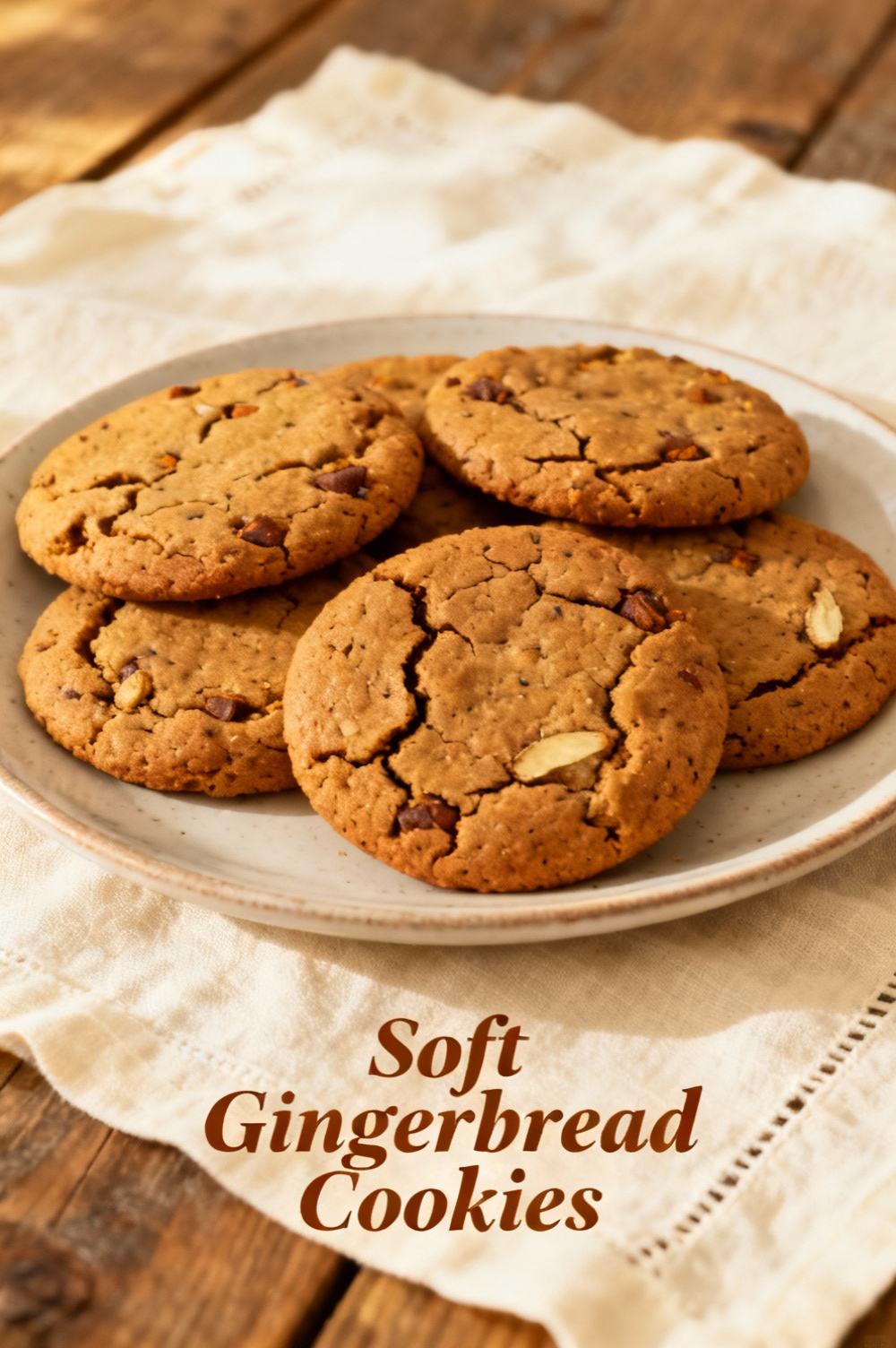
Soft, chewy, and warmly spiced — a classic gingerbread cookie perfect for decorating or enjoying plain with a cup of tea.
Ingredients
- 2 1/4 cups (280 g) all-purpose flour
- 1 tsp baking soda
- 1/2 tsp fine salt
- 2 tsp ground ginger
- 1 1/2 tsp ground cinnamon
- 1/4 tsp ground cloves
- 1/4 tsp ground nutmeg (optional)
- 3/4 cup (170 g) unsalted butter, softened
- 1 cup (200 g) packed dark brown sugar
- 1 large egg
- 1/2 cup (160 g) unsulphured molasses
- 1 tsp vanilla extract
- Granulated or coarse sugar for rolling (optional)
Instructions
- In a medium bowl whisk together the flour, baking soda, salt, ginger, cinnamon, cloves, and nutmeg. Set aside.
- In a large bowl with a hand mixer or stand mixer fitted with the paddle, cream the softened butter and brown sugar on medium speed until light and fluffy, about 2–3 minutes.
- Add the egg, molasses, and vanilla and beat until combined and smooth, scraping down the bowl as needed.
- Gradually add the dry ingredients to the wet ingredients on low speed until just combined. Do not overmix.
- Cover the dough and chill in the refrigerator for at least 1 hour (or up to 24 hours). Chilling helps the dough firm up and keeps the cookies soft and puffy.
- Preheat the oven to 350°F (175°C). Line baking sheets with parchment paper or silicone mats.
- Using a 1 1/2-tablespoon cookie scoop (or spoon), portion dough and roll into balls. If desired, roll each ball in granulated or coarse sugar for a sparkly finish.
- Place dough balls 2 inches apart on prepared baking sheets. Bake 8–10 minutes, until the edges are set but centers are still soft. Do not overbake—cookies will continue to set as they cool.
- Let cookies cool on the baking sheet for 5 minutes, then transfer to a wire rack to cool completely. Store in an airtight container for up to 4 days.
Nutrition Information
- Calories: 120 kcal
- Cholesterol: 25 mg
- Sodium: 95 mg
- Carbohydrates: 18 g
- Fiber: 0.8 g
- Sugar: 9 g
- Protein: 1.5 g