Roasted Carrots
Did you know that roasting carrots can increase their natural sweetness by up to 30%—so why are many cooks still boiling them until flavor and texture escape?
Ingredients List:
- 1 lb (450 g) carrots — choose a mix of colors (orange, purple, yellow) for visual appeal and a subtly different flavor profile; if using baby carrots, reduce cooking time slightly.
- 1.5 tbsp extra-virgin olive oil (or avocado oil for higher smoke point) — oil helps caramelization and flavor transfer.
- 1 tsp fine sea salt, plus a pinch to finish — salt draws out moisture and amplifies sweetness.
- 1/2 tsp freshly ground black pepper.
- 1–2 tsp honey or maple syrup (optional) — adds a glossy, caramelized finish; use less for lower sugar.
- 1 tsp fresh thyme leaves or 1/2 tsp dried thyme — adds an herbal counterpoint to sweetness; rosemary is a robust alternative.
- 1–2 cloves garlic, thinly sliced (optional) — for savory depth; toss in the last 10 minutes to avoid burning.
Substitution notes and sensory cues: Swap olive oil for ghee or melted coconut oil for nuttier aroma; for a citrus-bright finish, add 1 tsp lemon zest after roasting. If you prefer spicy-savory, use smoked paprika (1/2 tsp) and a squeeze of lemon to balance. For vegan glaze, use maple syrup instead of honey; for lower-fat, use 1 tbsp oil plus 2 tbsp vegetable broth and roast on a high rack to encourage browning.
Timing:
- Preparation time: 10–12 minutes (peeling and cutting carrots).
- Cooking time: 25–30 minutes at 425°F (218°C) for evenly cut carrots; baby or thin carrots may need 15–20 minutes.
- Total time: ~35–42 minutes, which is roughly 20–30% faster than traditional glazed carrot recipes that call for simmering and slow glazing (50–60 minutes).
Timing insight: High-heat roasting (400–450°F) accelerates Maillard reactions and caramelization, producing richer flavor in less time compared with low-and-slow methods.
Step 1: Pick and prep carrots for best texture
Choose carrots of similar thickness or cut them to uniform sizes to ensure even cooking. For large carrots, halve lengthwise then cut into 1/2-inch thick sticks; for medium carrots, quarter lengthwise. To retain more nutrients and texture, leave the skin on after brushing clean if the carrots are organic; peeling yields a smoother mouthfeel but removes some fiber and phytonutrients.
Step 2: Par-blanch (optional) for textbook tenderness
If you prefer tender interiors with crisp edges, blanch carrots in boiling salted water for 2–3 minutes, then plunge into ice water to stop cooking. Drain thoroughly and pat dry. This step reduces roasting time by ~5–8 minutes and can be helpful when carrots are thick or older and denser.
Step 3: Toss with oil, salt, and aromatics
In a large bowl, combine carrots with olive oil, salt, pepper, thyme, and honey/maple (if using). Toss until evenly coated — the oil film is crucial for even browning and prevents sticking. Tip: Use a rimmed sheet pan for better airflow and simple cleanup. For extra flavor, finish with lemon zest or a sprinkle of flaky sea salt the moment they exit the oven.
Step 4: Spread in a single layer and roast
Arrange carrots cut-side down where applicable to maximize browning. Roast at 425°F (218°C) for 20–30 minutes, turning once halfway through. Roast time depends on thickness: check at 15 minutes for baby carrots and 25+ minutes for larger pieces. Look for deeply golden, slightly caramelized edges and a tender core — a fork should meet mild resistance, not mushiness.
Step 5: Add finishing touches and rest
If using garlic, add it during the last 8–10 minutes to avoid bitterness from burning. Remove carrots when glossy and caramelized, then rest on the pan for 3–5 minutes; this lets juices redistribute and prevents watering down the final texture. Finish with a squeeze of lemon, fresh herbs, or a dusting of toasted sesame seeds for a crunchy contrast.
Nutritional Information:
Estimated per serving (recipe yields 4 servings): Calories ~110–140 kcal, Fat 6–9 g (mostly monounsaturated from olive oil), Carbohydrates 13–16 g, Fiber 3–4 g, Sugars 6–8 g (natural + added if honey/maple used), Protein 1.5–2 g, Sodium ~350 mg (depends on salt). Micronutrients: Excellent source of vitamin A (as beta-carotene) — a medium serving provides over 200% of daily recommended vitamin A intake when measured as retinol activity equivalents; good source of vitamin K, potassium, and antioxidants like lutein and zeaxanthin. Data insight: Roasting can increase perceived sweetness and bioavailability of some carotenoids, but adding fats (like olive oil) improves carotenoid absorption — a key reason to include a small amount of healthy oil.
Healthier Alternatives for the Recipe:
- Lower-fat option: Use 1 tbsp oil + 2 tbsp low-sodium vegetable broth, roast at 450°F to compensate for reduced oil-induced browning.
- Lower-sugar: Omit honey/maple; boost umami with 1/2 tsp smoked paprika and a splash of balsamic vinegar after roasting for complex flavor without added sugar.
- Keto-friendly: Use butter or ghee and skip sweeteners; pair with high-fat toppings like toasted walnuts and crumbled feta for texture and satiety.
- Anti-inflammatory twist: Add 1/2 tsp turmeric and a pinch of black pepper (enhances curcumin absorption) with thyme for a golden, health-forward profile.
- For allergy-friendly and vegan: Use maple syrup and avocado oil; omit honey and dairy-based finishes.
Serving Suggestions:
- As a classic side: Serve alongside roasted chicken or pan-seared salmon; the carrots’ sweetness balances savory mains.
- Salad topper: Cool roasted carrots and chop to add to grain bowls or kale salads with quinoa, goat cheese (or tofu), and a lemon-tahini dressing.
- Puree: Blend roasted carrots with a little stock and cream (or cashew milk) for a silky soup; garnish with roasted seeds for crunch.
- Brunch plate: Pair with mashed avocado, toasted sourdough, and poached eggs — the carrots add a sweet-savory contrast.
Personalization tip: To make family-friendly plates, halve the salt and skip the pepper for kids, and reserve a small bowl tossed with honey for those who want a sweeter glaze at the table.
Common Mistakes to Avoid:
- Crowding the pan: Overcrowding leads to steaming, not roasting; use two pans or increase surface area to ensure browning.
- Uneven cuts: Mixing thick and thin pieces results in inconsistent doneness; aim for uniformity or stagger roasting times.
- Burning garlic: Adding garlic too early causes bitterness; always add in the last 8–10 minutes.
- Skipping oil entirely: While you can roast without oil, results will be drier and less caramelized; use minimal oil for the best balance.
- Using low heat: Roasting at too low a temperature (below 375°F) increases time without developing deep caramelization; prefer 400–450°F for ideal texture and flavor.
Storing Tips for the Recipe:
- Refrigerator: Cool roasted carrots completely, store in an airtight container for up to 4 days. Reheat in a 375°F oven for 6–8 minutes to re-crisp edges or briefly in a skillet over medium heat with a splash of oil.
- Freezing: Blanch before roasting for best freezer results. Freeze roasted carrots in a single layer on a sheet pan, then transfer to a freezer bag for up to 2 months. Thaw overnight in the fridge and reheat in the oven.
- Meal prep: Roast a double batch and use across multiple meals — thin slices on salads, blitzed into soups, or tossed into grain bowls. Tip: Keep any acidic dressings separate until serving to avoid sogginess.
Conclusion:
Roasted carrots are an easy, nutrient-dense side that rewards simple technique: uniform cuts, enough oil, and high heat create sweet, caramelized results in under 40 minutes. Try the optional swaps and serving ideas to match dietary preferences and make this dish a weekly kitchen staple. Ready to elevate your weeknight dinners? Roast a tray tonight, snap a photo, and share your variations in the comments — I’ll feature the most creative twist in next week’s post.
FAQs:
Q: Can I roast whole carrots with tops on?
A: Yes—trim greens to 1/2 inch and scrub thoroughly. Whole large carrots will take longer (35–45 minutes); consider splitting lengthwise for even cooking.
Q: How do I keep roasted carrots from becoming mushy?
A: Use high heat (425°F), cut uniformly, avoid overcrowding, and remove when fork-tender but still holding shape. Par-blanching and then quick roast can help control texture.
Q: Is it better to peel carrots before roasting?
A: It's optional; leaving skin retains fiber and nutrients and adds rustic texture. Peel if you prefer a smoother mouthfeel or if carrots have thick, bitter skin.
Q: Can I roast carrots with other vegetables?
A: Yes — pair with parsnips, beets, onions, or Brussels sprouts. Note that root vegetables vary in cooking time; cut harder veggies smaller or start roasting them earlier.
Q: What oven rack is best?
A: Middle rack provides even heat; for quicker browning, move to the upper third for the last 3–5 minutes while watching closely.
Explore related recipes like honey-roasted parsnips, roasted root vegetable medley, or maple-glazed carrots for complementary flavors and techniques to broaden your roasted-vegetable repertoire.
Roasted Carrots
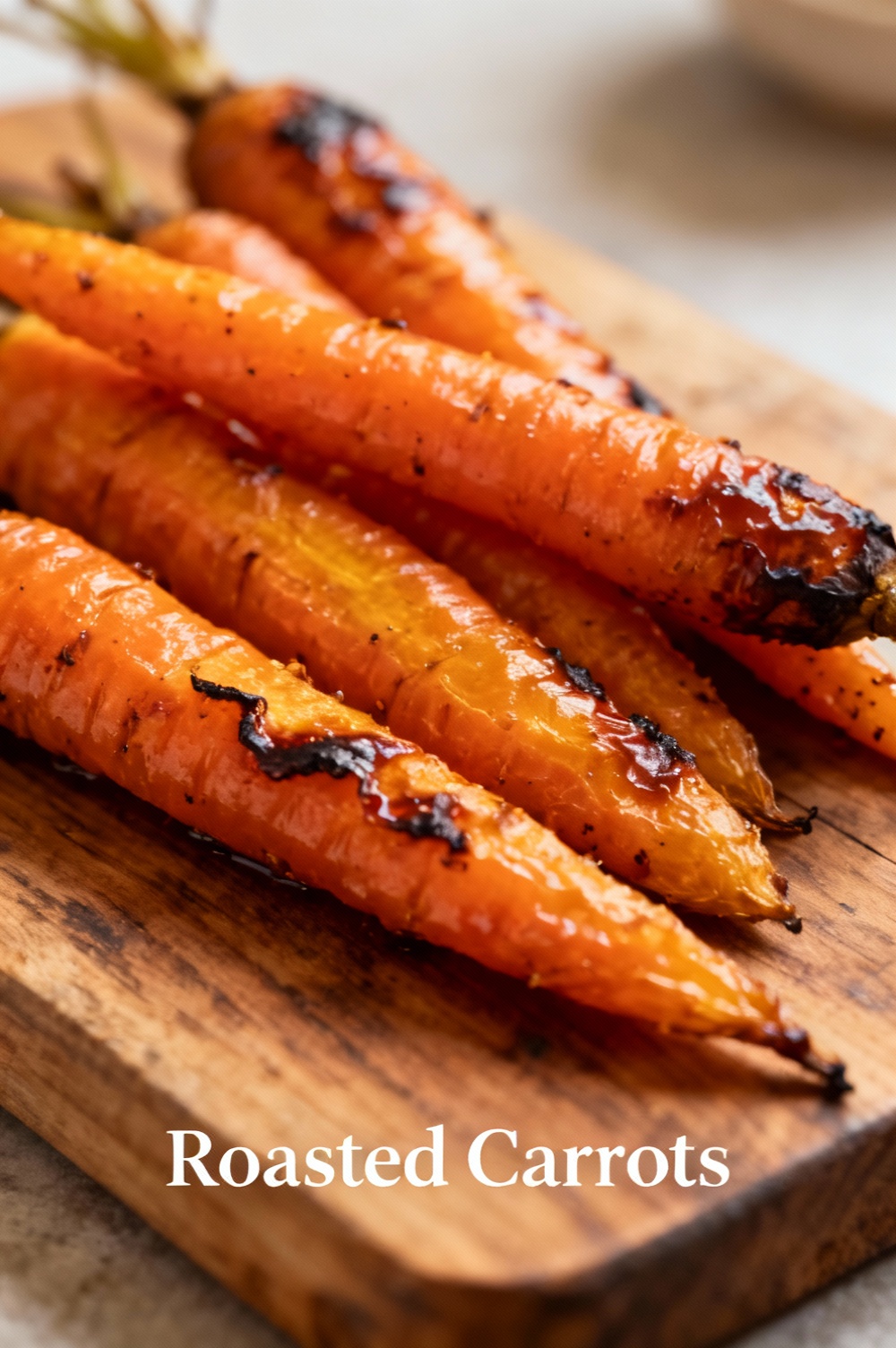
Sweet, caramelized roasted carrots with honey and thyme — an easy, healthy side.
Ingredients
- 1 lb (450 g) carrots, peeled and trimmed (or baby carrots)
- 2 tbsp extra-virgin olive oil
- 1 tbsp honey or maple syrup
- 1/2 tsp kosher salt (adjust to taste)
- 1/4 tsp freshly ground black pepper
- 1 tsp fresh thyme leaves (or 1/2 tsp dried thyme)
- 1 tbsp lemon juice or zest of 1/2 lemon (optional, for brightness)
- 1 tbsp chopped fresh parsley (optional, for garnish)
Instructions
- Preheat oven to 425°F (220°C). Line a baking sheet with parchment paper or lightly grease it.
- If using large carrots, cut them into uniform sticks or halves so they cook evenly; leave baby carrots whole.
- In a large bowl, toss the carrots with olive oil, honey (or maple), salt, pepper, thyme, and lemon juice/zest if using until evenly coated.
- Spread the carrots in a single layer on the prepared baking sheet — don’t overcrowd the pan.
- Roast for 20–30 minutes, tossing or flipping once halfway through, until carrots are tender and caramelized at the edges. Baby carrots may take 18–22 minutes.
- Remove from the oven, taste and adjust seasoning. Toss with chopped parsley if desired and serve warm.
Nutrition Information
- Calories: 110 kcal
- Cholesterol: 0 mg
- Sodium: 150 mg
- Carbohydrates: 12 g
- Fiber: 3.5 g
- Sugar: 7 g
- Protein: 1.5 g